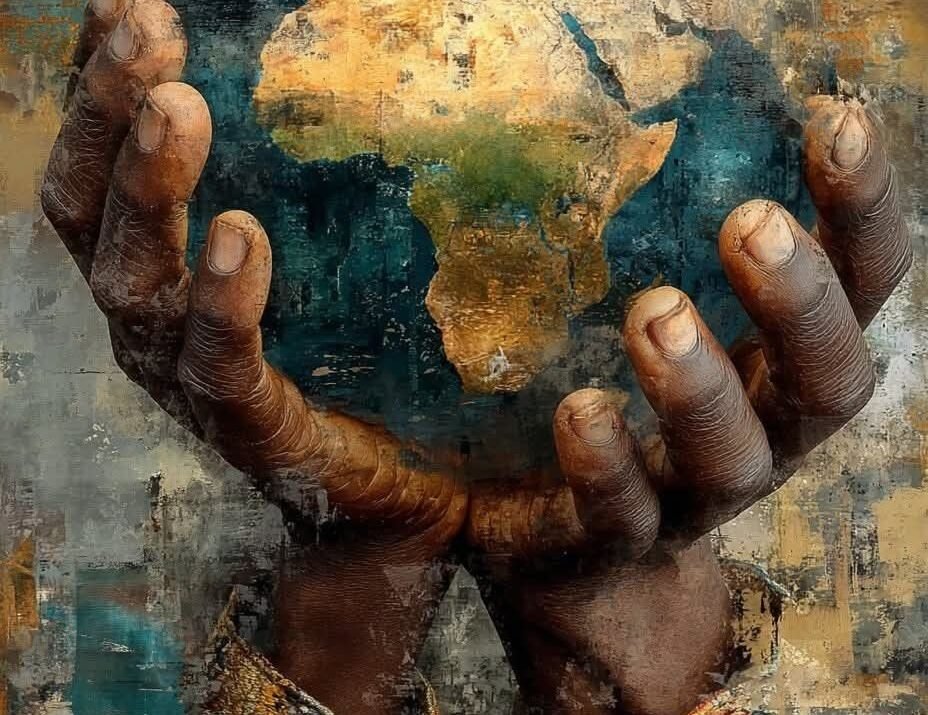
The story of the Igbo people of southeastern Nigeria is a powerful narrative of resilience, democratic governance, and profound cultural identity. As one of Africa’s most dynamic and influential ethnic groups, the Igbo have shaped the social and economic landscape of West Africa for millennia. Their history is not defined by massive royal conquests or
In Igbo culture, a name is far more than a simple tag for identification; it is a profound declaration of identity, destiny, and circumstance. The Igbo people of Southeastern Nigeria believe that names possess spiritual weight and can actively influence a person’s life path, character, and achievements. When an Igbo child is named, the parents
In pre-colonial Africa, the social fabric of the Igbo people was famously decentralized, yet remarkably cohesive. Unlike societies governed by centralized monarchs, old Igbo society relied on a web of kinship, shared values, and mutual dependency to maintain order and progress. This unique social structure fostered an extraordinary sense of community where individual identity was
Long before modern gadgets and electricity reshaped the landscape of West Africa, life in an Igbo village was guided by the natural rhythms of the earth and the deep warmth of human connection. It was a world where time was measured by the market days of the Eke, Orie, Afo, and Nkwo cycle, rather than
Growing up in an Igbo household is a unique, vibrant experience shaped by deep-rooted cultural values, unwavering discipline, and an abundance of love. Across Southeastern Nigeria and the global diaspora, children raised by Igbo parents share an unspoken bond forged by identical childhood rules, distinct parenting styles, and memorable family dynamics. This upbringing blends structural
Proverbs, or Ilu, hold a sacred place in the heart of Igbo culture and language. In southeastern Nigeria, elders view proverbs as “the palm oil with which words are eaten”—an essential ingredient that lubricates conversation, adds depth to speech, and passes down centuries of ancestral wisdom. Far from being mere decorative phrases, these witty sayings
In pre-colonial southeastern Nigeria, the fabric of traditional Igbo society was woven together by a profound, unyielding commitment to respect. Unlike systems built on central kingships, the Igbo operated a highly democratic, decentralized system of governance often described as Ohacracy (government by the community). In this setup, peace and social order did not depend on
The Igbo people of southeastern Nigeria possess a cultural heritage that has resiliently weathered centuries of modernization, colonialism, and globalization. Far from being mere relics of the past, many ancient Igbo customs remain deeply integrated into the fabric of contemporary society. These enduring traditions serve as a vital link to ancestral roots, shaping identity, governance,
Beyond its famous reputation as Africa’s bustling financial hub and entertainment capital, Lagos State holds a deeply rooted cultural identity. Long before skyscrapers redefined its skyline, the original settlers—primarily the Awori and Egbas of the Yoruba ethnic group, alongside the Bini descendants—established a structured society built on respect, spirituality, and communal values. Today, this indigenous