

In modern culture, sharing a meal with a spouse is universally viewed as the ultimate expression of intimacy and partnership. However, in ancient Hawaiian society, doing so was considered a dangerous spiritual offense punishable by death. Under a strict code
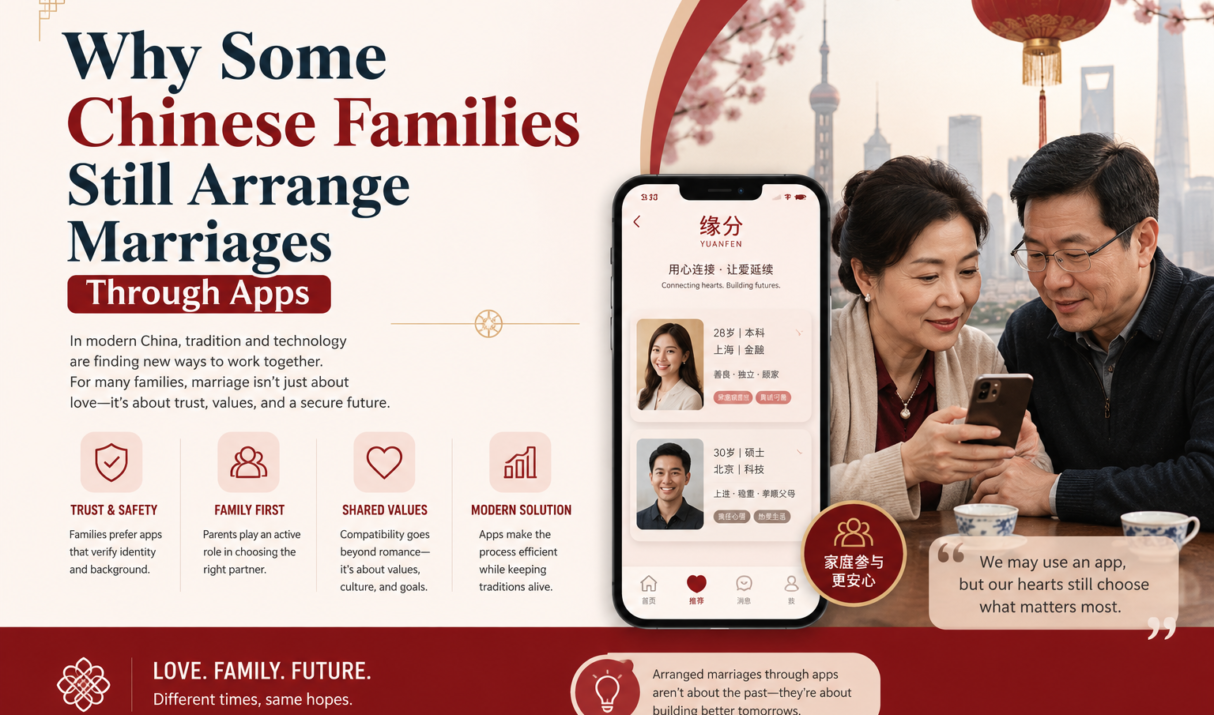
In modern China, the traditional practice of family-led matchmaking has not vanished; instead, it has evolved into a high-tech phenomenon. While young urban professionals frequently rely on standard dating platforms for romantic connections, older generations are turning to specialized parental

While modern India has legally abolished discrimination and embraced globalized economic progress, its ancient social hierarchy remains quietly entrenched in the most intimate space of daily life: the kitchen. The Indian caste system, historically structured around notions of spiritual purity
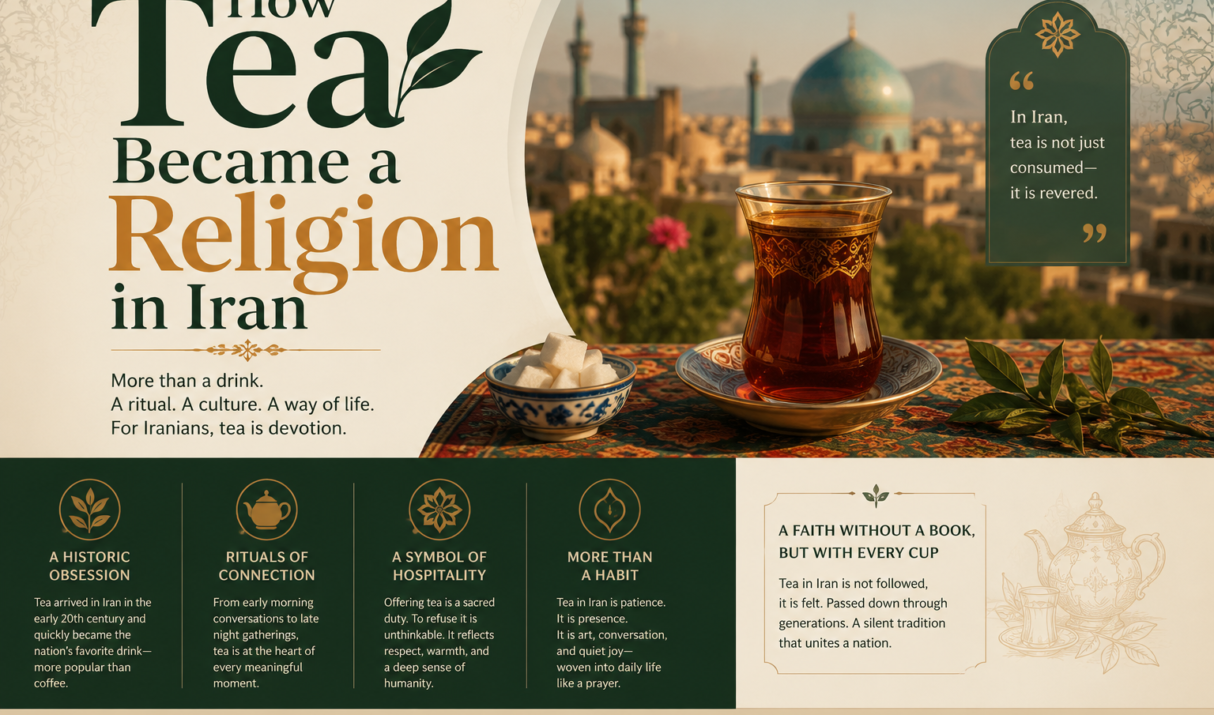
In Iran, tea (chai) is not merely a warm drink or a convenient refreshment; it is the beating heart of national life and an indispensable social doctrine. From early morning family breakfasts to late-night business negotiations, a steaming pot of
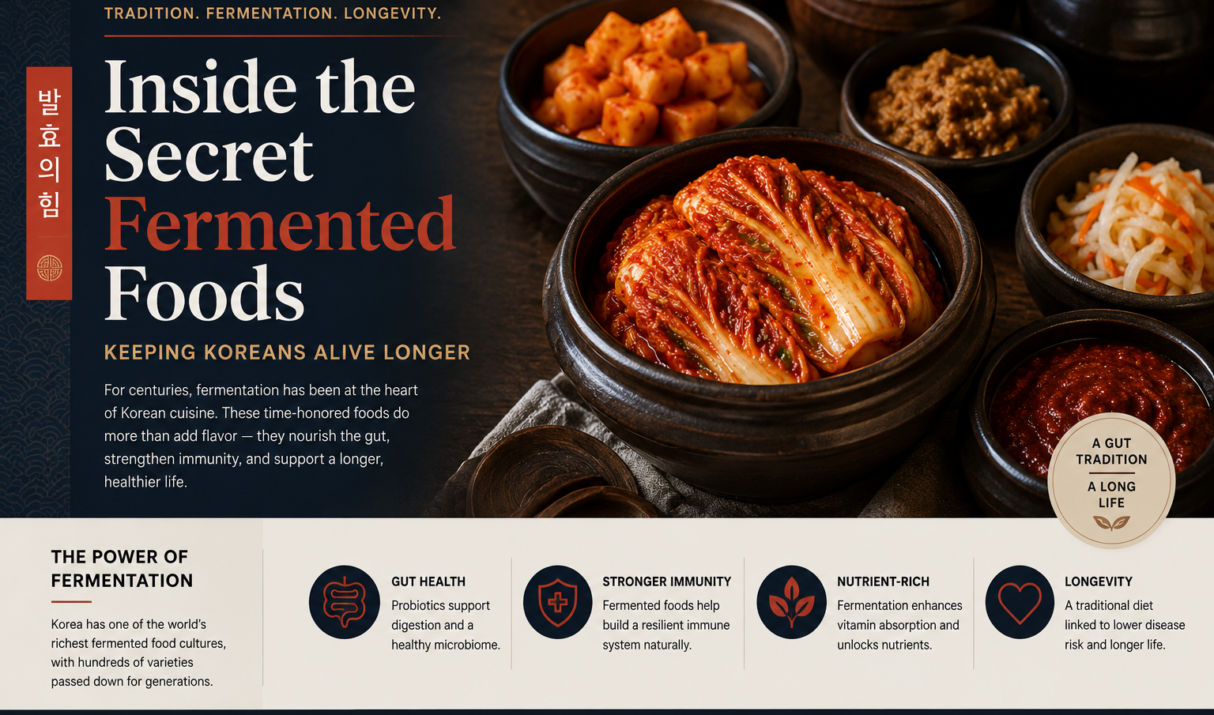
South Korea consistently ranks among the global leaders in life expectancy, with researchers projecting that its citizens may soon boast the longest lifespans on earth. While world-class healthcare and active lifestyles play a vital role, nutritional scientists point directly to

In Japan, sitting down for a meal involves a quiet, universal gesture that transcends appetite, flavor, or culinary skill. Before taking a single bite, diners press their hands together, bow their heads slightly, and whisper a single phrase: “Itadakimasu.” While