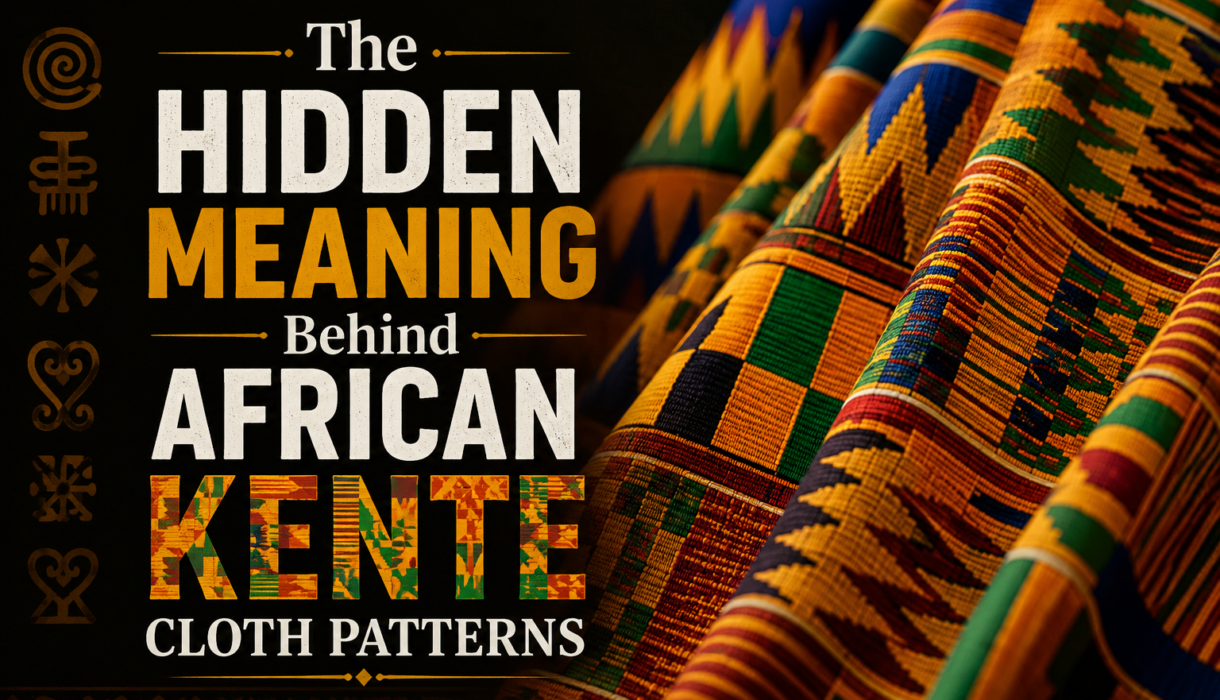
The Hidden Meaning Behind African Kente Cloth Patterns
Posted in :

Kente cloth is arguably the most recognizable and celebrated textile exported from the African continent. Originating from the historic Ashanti Kingdom of Ghana and the Ewe people of Togo and Ghana, this vibrant, hand-woven fabric was historically reserved exclusively for royalty and sacred ceremonies. Today, while Kente has transcended its geographical borders to become a global symbol of Black pride and cultural sophistication, it is far from a mere fashion statement. Every single thread, geometric shape, and color woven into a strip of Kente holds a deliberate, codified language that communicates philosophy, history, and social values.
The Sacred Language of Kente Colors
To understand a piece of Kente, one must first learn to read its colors, as each hue carries a distinct spiritual and emotional weight. Gold and yellow are among the most prominent shades, symbolizing royalty, wealth, high status, and spiritual purity. In contrast, blue represents peace, harmony, and love, while green signifies growth, renewal, and the lush fertility of the land. Darker tones like black carry a deeply revered meaning, representing maturity, spiritual energy, and ancestral connection. By combining these colors, weavers create a visual symphony that instantly communicates the wearer’s state of mind or social standing.
Geometric Shapes and Their Philosophies
Beyond the color palette, the intricate geometric patterns meticulously woven into Kente fabric act as visual proverbs. For instance, the zig-zag pattern, known locally as Nkyinkyim, translates to “twisting” and represents the dynamic, unpredictable nature of life’s journey, reminding the wearer to remain resilient in times of adversity. Square and rectangular grids represent the concept of a stable home and societal order. These shapes are not chosen at random; they are architectural layouts of thought, ensuring that anyone wearing the fabric is quite literally draped in ancestral wisdom and philosophical guidance.
Famous Patterns and Their Royal Meanings
Certain Kente patterns are so historically significant that they possess specific names and dedicated meanings. The most famous of these is Oyokoman, a multi-colored pattern named after the royal clan of the Ashanti nation. It symbolizes political unity, leadership, and the peaceful consolidation of power. Another revered pattern is Sika Futuro, which translates to “gold dust,” representing economic prosperity and the blessings of commercial success. Historically, if an individual wore a specific pattern to a royal court, the king and elders could immediately deduce their political alignment, family lineage, or intentions without a single word being spoken.
Preserving a Legacy in the Modern World
In an era dominated by fast fashion and mass production, authentic Kente weaving remains an enduring bastion of slow, intentional craftsmanship. Master weavers in Ghanaian villages like Bonwire still spend weeks operating traditional wooden looms, treating every strip of cloth as a historical document. While counterfeit, printed imitations exist globally, true hand-woven Kente remains an irreplaceable luxury. By understanding the hidden meanings behind these patterns, global consumers can move beyond surface-level appreciation and truly honor the profound intellect, history, and artistry woven into the fabric of African heritage.