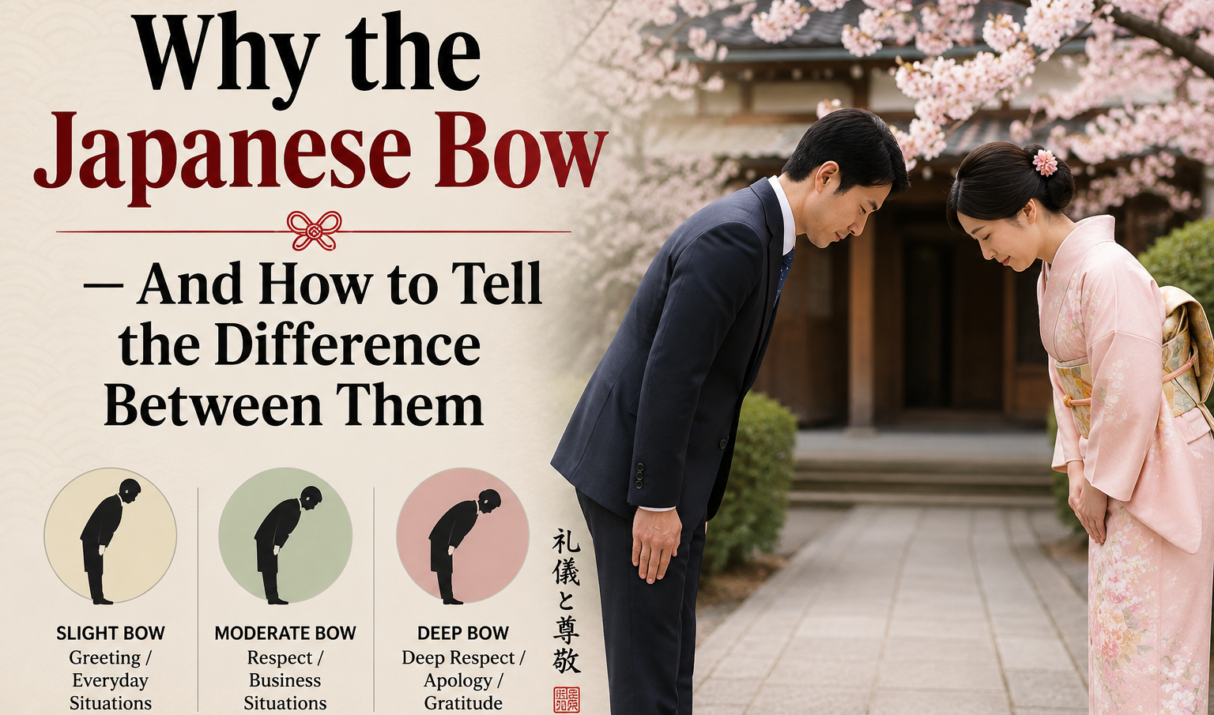

In Japan, the act of bowing—known locally as Ojigi (お辞儀)—is much more than a graceful greeting; it is the cornerstone of the nation’s social fabric. Rooted in centuries of Shinto and Buddhist traditions, bowing originated as a gesture of vulnerability, exposing the neck to show a lack of hostility. Today, it serves as a universal

In modern Japan, an estimated one million individuals live in severe, continuous social isolation—a phenomenon known nationally and globally as hikikomori. Derived from the Japanese words meaning “to pull back” and “to sequester oneself,” hikikomori describes people who withdraw completely from society, staying inside their homes or single rooms for six months or longer. Once
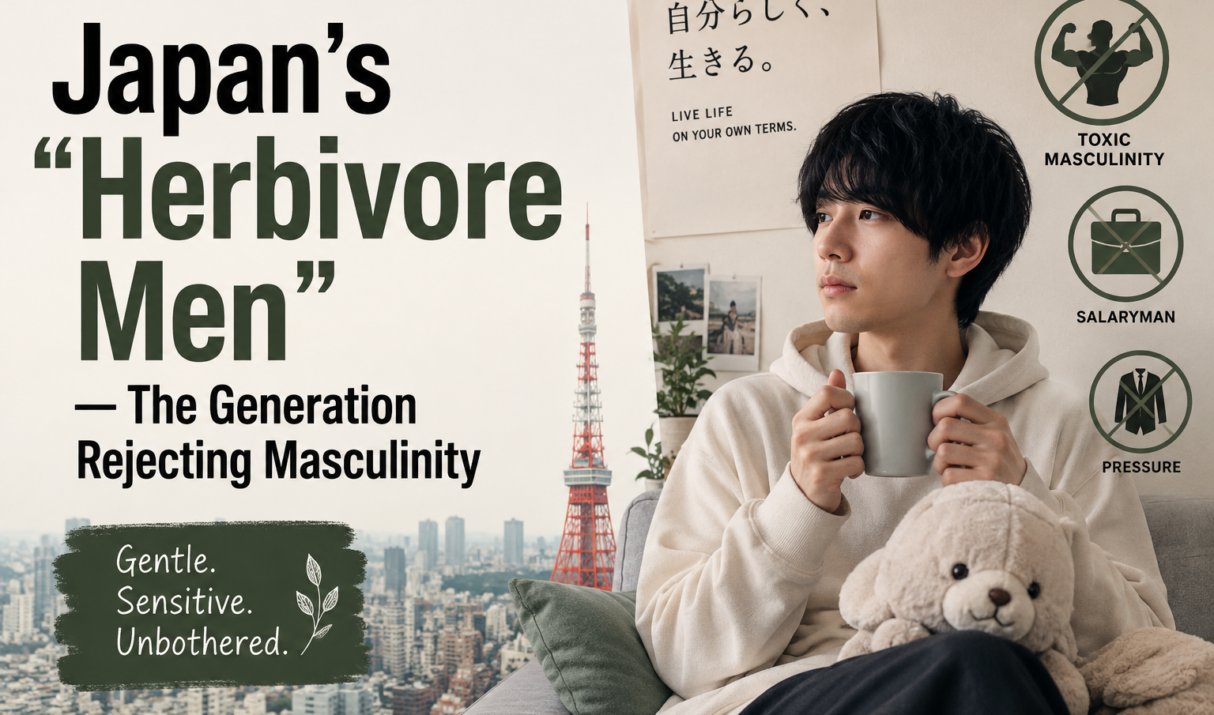
In Japan, a fascinating demographic shift has quietly dismantled decades of deeply entrenched gender expectations. Coined as sōshoku-kei danshi (literally meaning “grass-eating” or “herbivore men”), this term describes a generation of young men who have consciously chosen to step away from traditional expectations of male dominance. Unlike their fathers, who defined their manhood through corporate