Christianity and Ibibio traditional religion conflict
Posted in :

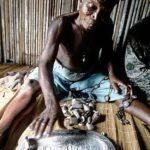
The relationship between Christianity and Ibibio Traditional Religion (ITR) is a fascinating study of cultural collision and adaptation. For over a century, the Ibibio people of Nigeria have balanced the tenets of a Western-introduced faith with an ancient, indigenous belief system. While Christianity is now the dominant religion in the region, the remnants of traditional practices remain deeply embedded in the social fabric. This interplay often creates a “conflict of conscience” for many, as they navigate the requirements of their church against the ancestral customs that have defined their identity for generations.
The Root of the Friction: Monotheism vs. Ancestral Veneration
At the core of the conflict is a fundamental difference in worldview. Christianity preaches an exclusive devotion to a single God through Jesus Christ, often labeling traditional practices as “paganism.” In contrast, the Ibibio Traditional Religion is built on a hierarchy that includes a Supreme Being (Abasi Ibom), but also places significant emphasis on deities (Ndems) and the spirits of ancestors. To many Christians, honoring ancestors through libation or traditional rites feels like a violation of the First Commandment. Conversely, traditionalists argue that these acts are not “worship” in the Western sense, but rather a vital way of maintaining communal harmony and respecting one’s lineage.
Secret Societies and Modern Church Authority
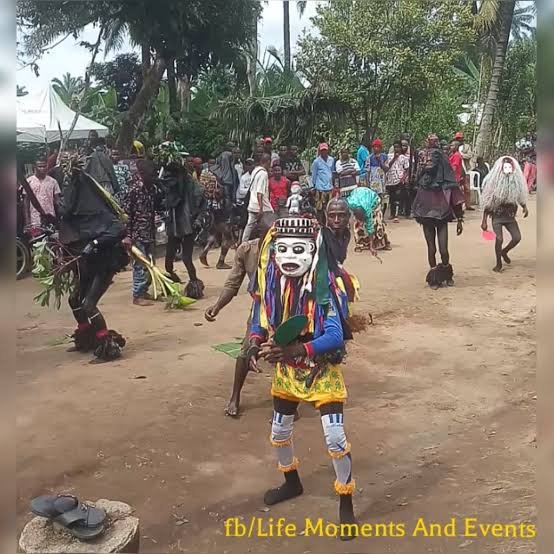
One of the most visible points of tension involves traditional secret societies, most notably the Ekpo and Ekpe orders. Historically, these societies served as the primary government, police force, and judiciary of Ibibio land. When Christian missionaries arrived, they viewed these masked groups as occultic and demonic. Even today, conflicts frequently arise during traditional festivals when masquerades take to the streets. The church often discourages its members from participating in or even observing these displays, leading to social friction between “believers” and “traditionalists” within the same family or village.
The Struggle Over Burial and Marriage Rites
Nowhere is the religious divide more apparent than in life’s major milestones: marriage and death. While many Ibibio people perform a “white wedding” in church, they must first complete the traditional rites, which involve ancient customs that some ultra-conservative denominations find problematic. Burials are even more complex; families often clash over whether a deceased relative should be buried according to strictly Christian protocols or if traditional rites—essential for the soul to join the ancestors—should be performed. These disputes often lead to long delays in funerals and fractured family relationships as both sides struggle to honor the departed correctly.
Toward a Cultural Synthesis: The Path of Inculturation
Despite these historical and ongoing conflicts, a new trend of “inculturation” is emerging. Many modern Ibibio theologians and traditional leaders are looking for ways to harmonize the two worlds. We see this in the use of traditional Ibibio musical instruments like the Uta and Owid in church worship, and the translation of the Bible into the Ibibio language using indigenous concepts for God. By distinguishing between “culture” (the way of life) and “religion” (the object of worship), many Ibibio people are finding peace, realizing they can be devout Christians while still being proudly and authentically Ibibio.