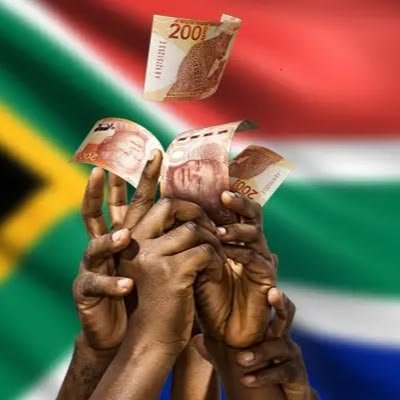

South Africa’s economic landscape is a fascinating study in contrast, holding the title of Africa’s most industrialized and technologically advanced market while grappling with deep-seated structural issues. The nation boasts a sophisticated financial sector, abundant natural resources, and world-class infrastructure.
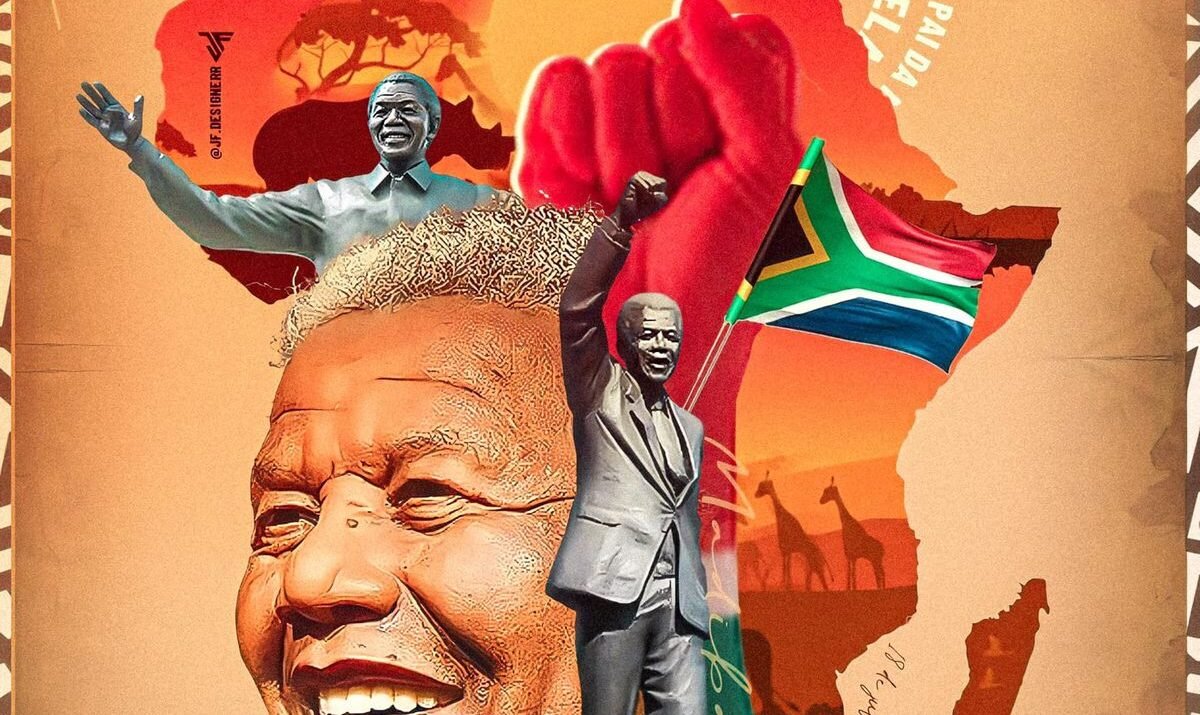
South Africa’s transition from the oppressive system of apartheid to a vibrant democracy in 1994 stands as one of the most remarkable political milestones of the 20th century. Spearheaded by iconic leaders like Nelson Mandela, the birth of the “Rainbow
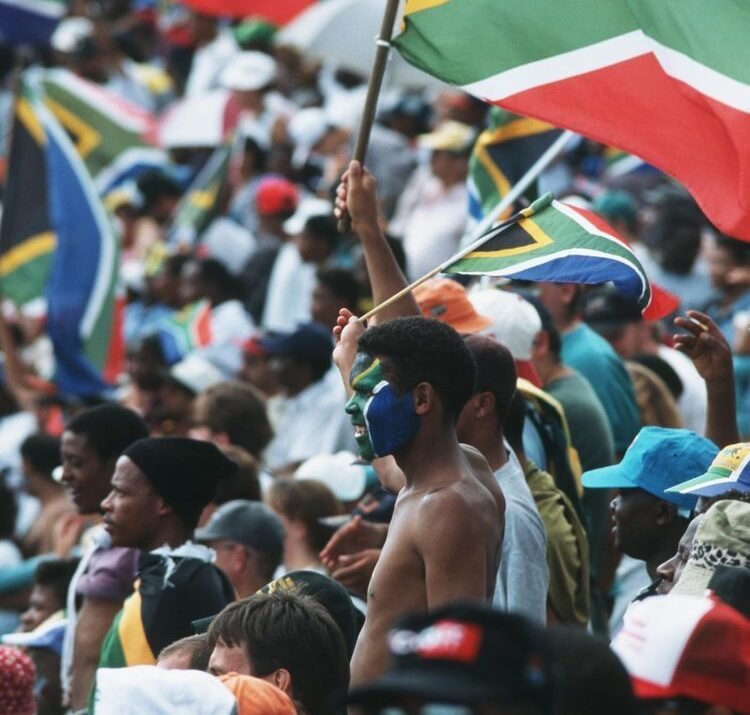
South Africa is famously known as the “Rainbow Nation,” a term that highlights its incredible mix of cultures, languages, and traditions. Beyond the well-known tourist attractions and historical landmarks lies a deeper, untold story of how this intense diversity actually