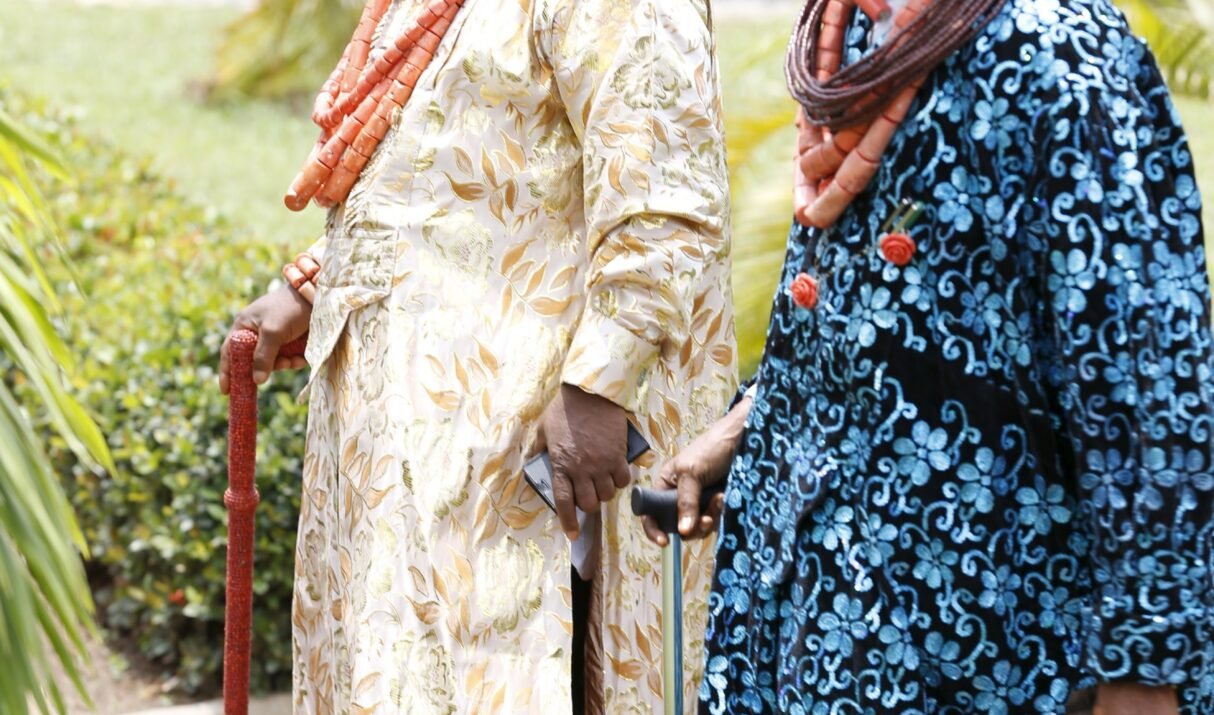

The Ibibio and Efik peoples of Nigeria’s South-South region share a profound historical bond, often grouped together due to their geographic proximity and beautifully intertwined languages. To an outsider, their shared love for rich seafood delicacies, identical naming conventions, and
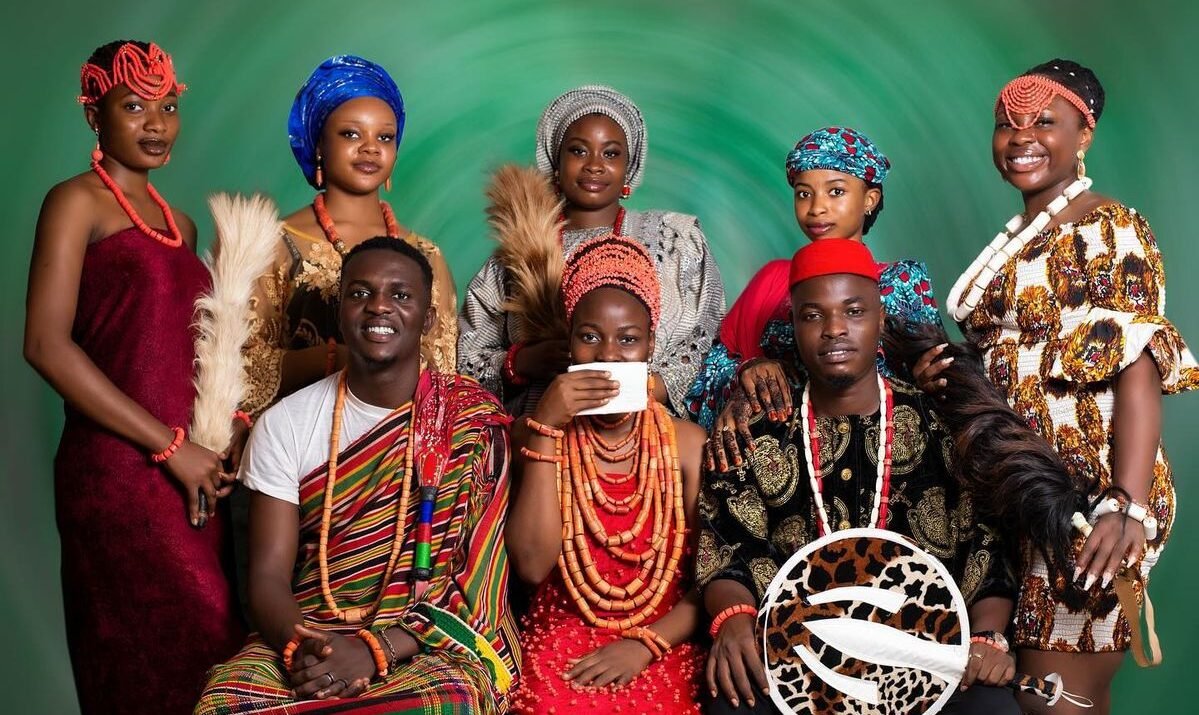
Nigeria is globally celebrated as a magnificent tapestry of over 250 ethnic nationalities, each boasting unique customs, languages, and historical legacies. When exploring the foundational roots of this diverse nation, historians, linguists, and archaeologists frequently point to one group as
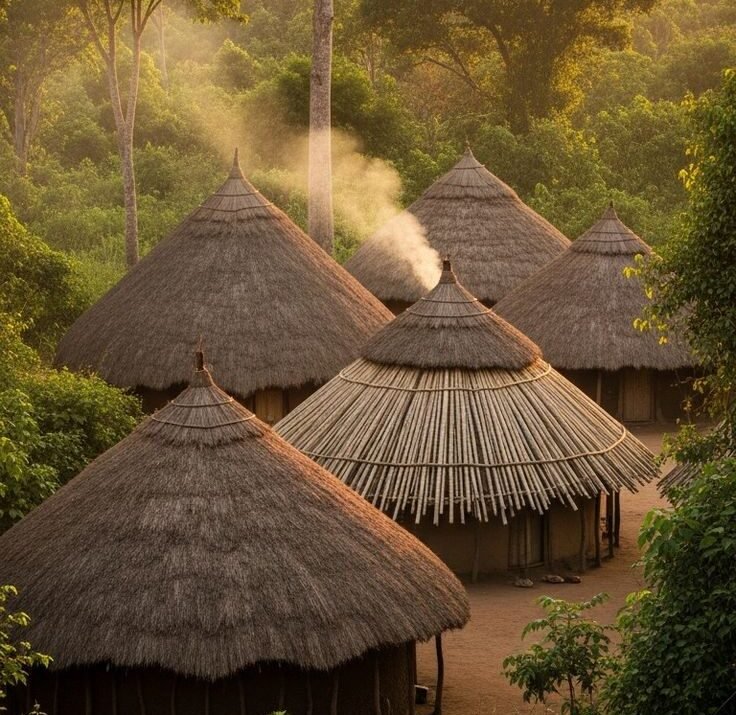
Long before the invention of mobile networks and instant messaging, southeastern Nigeria thrived on highly sophisticated, organic communication systems. Igbo communities relied on a flawless blend of sound, symbolism, and trusted social networks to transmit news across vast distances. Far

Modern parenting often emphasizes individualism, but traditional Igbo parenting operated on a profoundly different philosophy. Rooted in the rich cultural landscapes of southeastern Nigeria, old Igbo child-rearing was structured, deeply intentional, and inherently collective. It was a system engineered not
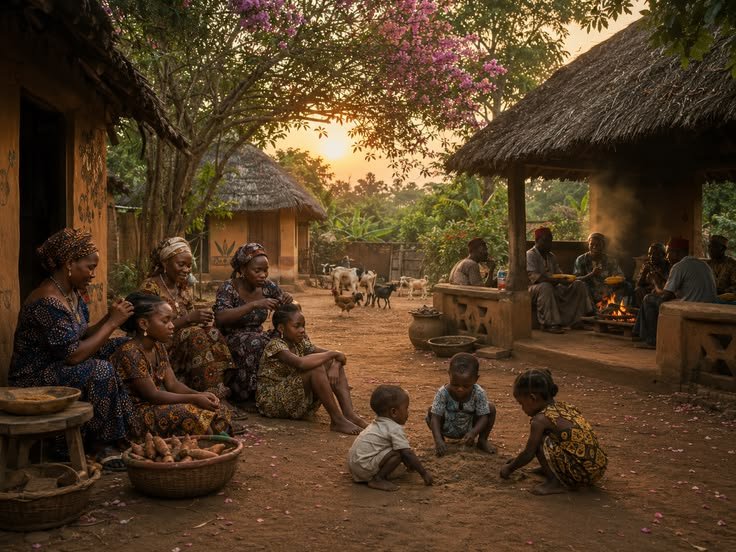
Stepping into a traditional Igbo village in southeastern Nigeria feels less like a geographic journey and more like an immersive lesson in communal living. The bustling city noises melt away, replaced by the rhythmic thumping of yams being pounded in
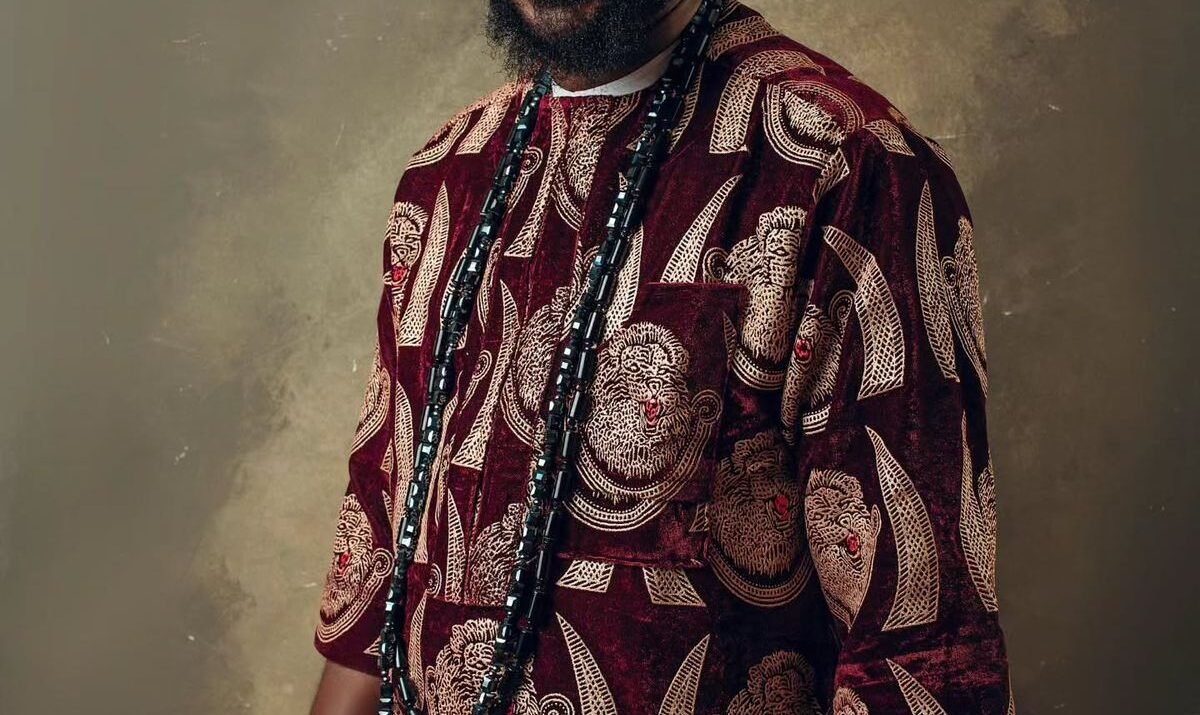
Growing up in a modern city, I always viewed the traditional customs of my Igbo heritage as outdated rituals reserved for festive visits to the village. To me, the insistence on specific greetings and bowing to elders seemed more like