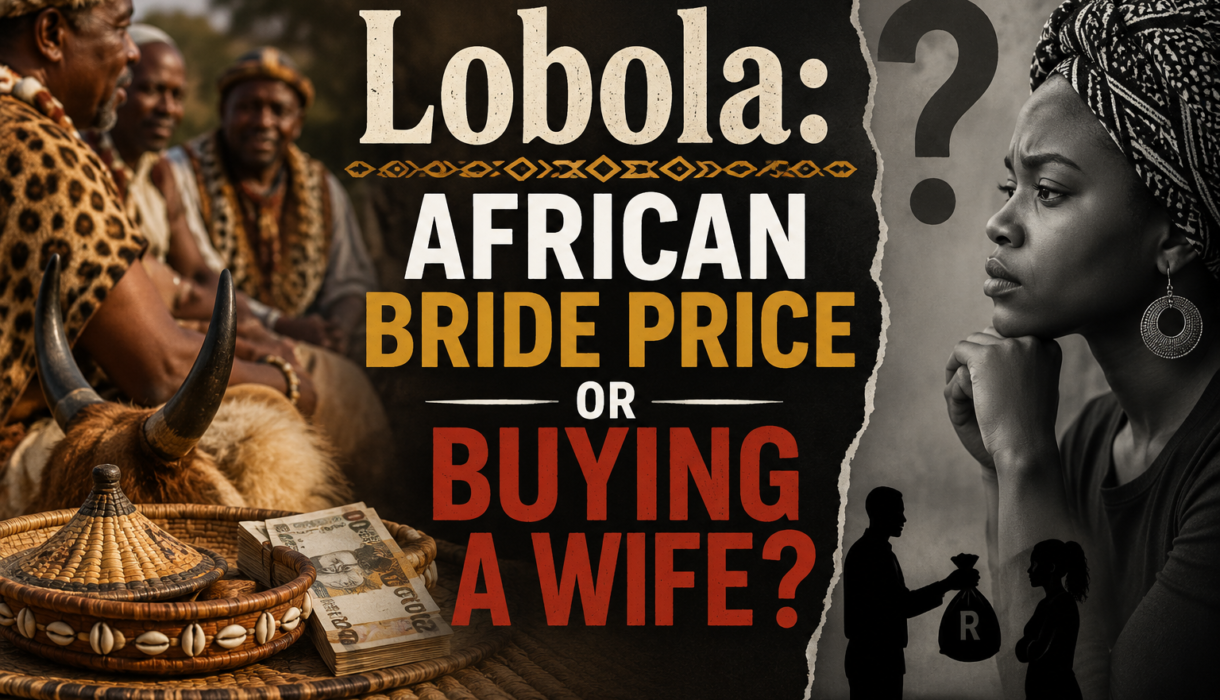

Lobola is one of the most enduring and deeply revered marriage traditions across Southern Africa, practiced by prominent ethnic groups such as the Zulu, Xhosa, and Shona. Despite its profound cultural significance, the custom is frequently misunderstood by outsiders who view it strictly through a Western, commercial lens. This misunderstanding often sparks a controversial question: is Lobola a sacred African bride price that honors a woman, or is it simply a mechanism for buying a wife? Understanding the true essence of this custom requires looking past the monetary exchange and exploring its deep-rooted social purpose.
A Token of Gratitude, Not a Transaction
At its core, Lobola is a profound gesture of appreciation from the groom’s family to the bride’s parents for raising and educating her. Historically, this custom involved the transfer of cattle—the ultimate symbol of wealth and sustenance in traditional African societies—though modern practices often substitute or supplement livestock with cash. This exchange is never intended as a purchase price for a human being; an African wife is not property, and she cannot be sold, traded, or returned for a financial refund. Instead, the gifts serve as a symbolic token, demonstrating that the groom deeply values the bride and possesses the capability to support a family.
Building a Bridge Between Two Families
Unlike Western marriages, which primarily focus on the legal and romantic union of two individuals, traditional African marriages are viewed as a lifelong alliance between two entire clans. The process of negotiating Lobola is a deliberate, highly respectful series of meetings between the elders of both families. These negotiations are designed to foster mutual respect, establish new familial bonds, and create a permanent community support system for the couple. By the time an agreement is reached, the two families are no longer strangers; they have become a unified network fully invested in the success and longevity of the marriage.
Navigating Modern Pressures and Misconceptions
The misconception that Lobola equates to “buying a wife” often stems from modern distortions of the practice, where some families demand exorbitant amounts of money. When the custom becomes over-commercialized, it puts undue financial strain on young couples and can mistakenly create a false sense of ownership in the mind of the groom. However, cultural historians emphasize that greed is a corruption of the tradition, not the tradition itself. When practiced authentically, the amount requested remains reasonable and symbolic, ensuring that the financial aspect never overshadows the spiritual and communal joy of the union.
A Timeless Anchor of Cultural Identity
Ultimately, Lobola remains a beautiful and vital anchor of African cultural identity that transcends the simplistic label of a commercial transaction. Far from degrading women, the authentic practice elevates the status of the bride, celebrating her worth and bringing immense honor to her lineage. As African societies continue to evolve in a globalized world, preserving the true, respectful spirit of Lobola ensures that marriage remains a sacred covenant built on gratitude, family unity, and mutual respect.