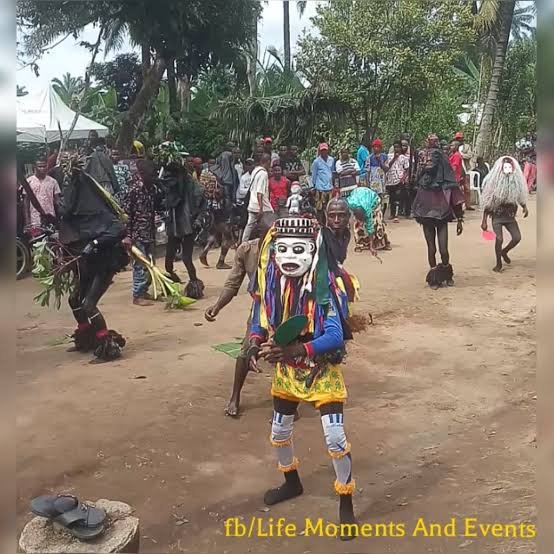
Growing up in an Igbo household is a unique, vibrant experience shaped by deep-rooted cultural values, unwavering discipline, and an abundance of love. Across Southeastern Nigeria and the global diaspora, children raised by Igbo parents share an unspoken bond forged by identical childhood rules, distinct parenting styles, and memorable family dynamics. This upbringing blends structural
In traditional Igbo society, governance and social harmony do not rest on a centralized monarchy, but on a deeply respected system of elders. Known collectively as the Oha na Eze or Ndi Ichie, these elderly men and women are viewed as the structural pillars of the community. They are not valued merely for their advanced
The traditional Igbo marriage, widely known as Igbankwu, is far more than a colorful celebration of love; it is a sacred, structured institution that binds two families and communities together forever. In Southeastern Nigeria, marriage is viewed as a lifetime community contract, meaning an individual does not simply marry a spouse, but marries into an
The Igbo people of Southeastern Nigeria possess a rich cultural identity deeply rooted in community, morality, and unique social structures. For centuries, these customs defined societal values and preserved historical knowledge from one generation to the next. However, the rapid pace of globalization, urbanization, and Westernization has placed significant pressure on these ancient practices. While
In pre-colonial southeastern Nigeria, the fabric of traditional Igbo society was woven together by a profound, unyielding commitment to respect. Unlike systems built on central kingships, the Igbo operated a highly democratic, decentralized system of governance often described as Ohacracy (government by the community). In this setup, peace and social order did not depend on
Beyond its famous reputation as Africa’s bustling financial hub and entertainment capital, Lagos State holds a deeply rooted cultural identity. Long before skyscrapers redefined its skyline, the original settlers—primarily the Awori and Egbas of the Yoruba ethnic group, alongside the Bini descendants—established a structured society built on respect, spirituality, and communal values. Today, this indigenous
Lagos, Nigeria’s economic hub and cultural powerhouse, is a city defined by an unstoppable kinetic energy that fuels its unique street culture. From the chaotic rhythm of the iconic yellow Danfo buses to the vibrant murals decorating urban concrete, the streets of Lagos serve as a living canvas for identity and expression. This street culture
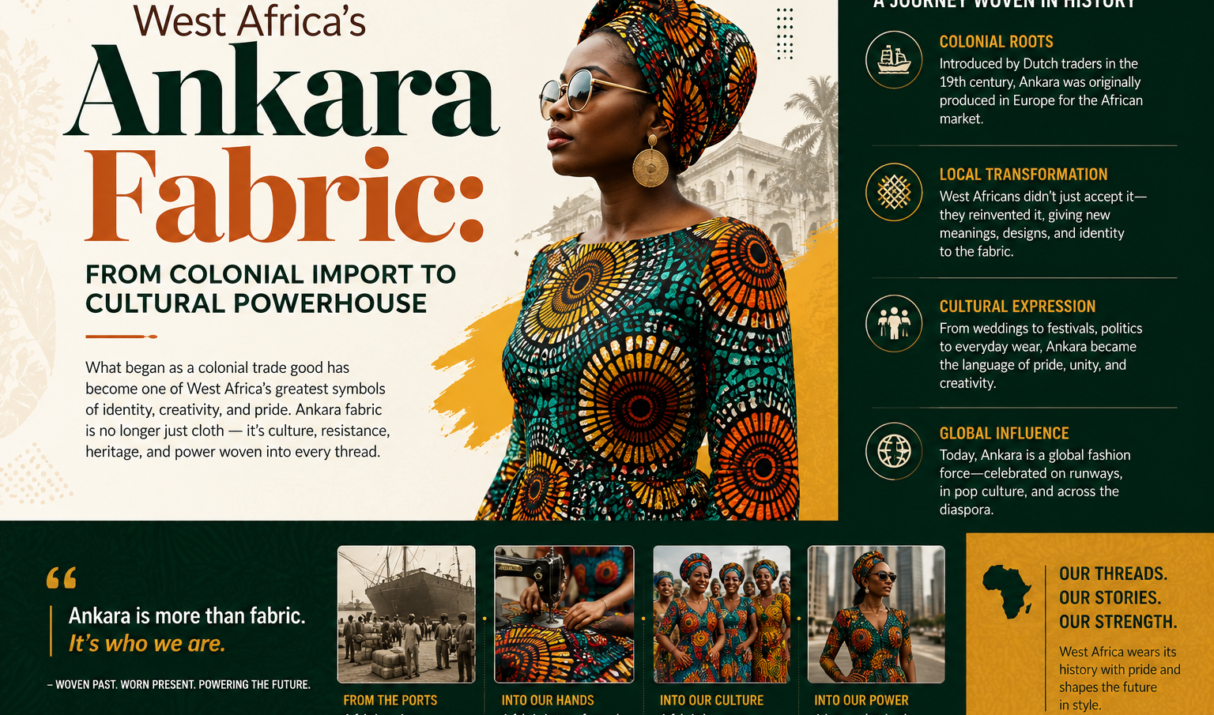
The Nigerian Owambe is much more than a party; it is a grand cultural exhibition where fashion takes center stage. Stemming from the Yoruba phrase meaning “it is there,” Owambes are lavish weekend celebrations—ranging from weddings to milestone birthdays—where guests gather to display joy, community, and impeccable style. Over the years, this vibrant celebration has
Attending an Akwa Ibom traditional wedding is an invitation to witness one of the most colorful, energetic, and culturally rich celebrations in Nigeria. In Akwa Ibom culture, weddings are a grand showcase of respect, joy, and community solidarity, and your outfit as a guest plays a massive role in honoring the couple. Dressing appropriately is