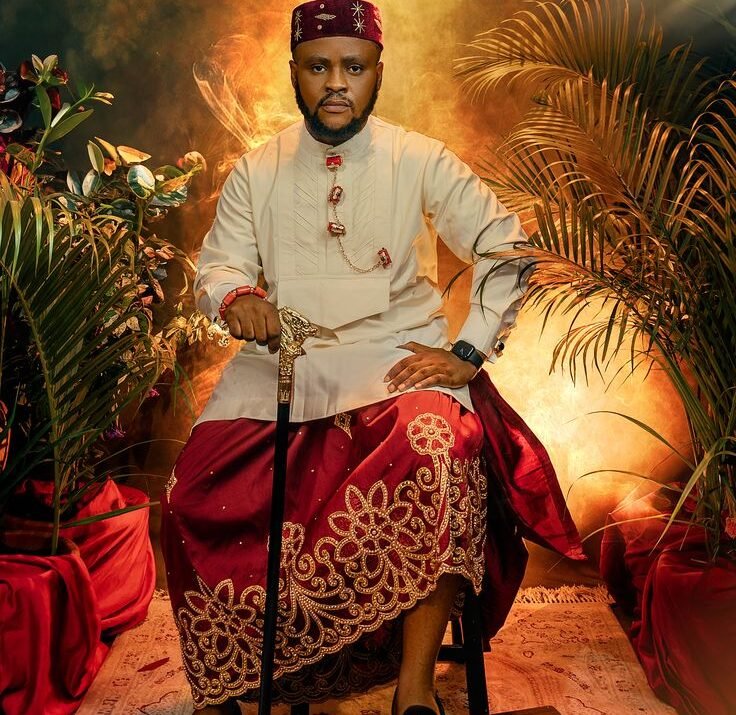

The Ibibio people stand out as one of the most resilient and culturally distinct ethnic groups in West Africa. Predominantly inhabiting the lush, palm-covered terrains of Akwa Ibom and Cross River states in Southern Nigeria, they represent the fourth largest ethnic group in the country. Renowned for their intricate woodcarvings, profound governance structures, and deep
The global fashion landscape is undergoing a profound and permanent transformation, driven by the creative power of the African continent. For decades, the international fashion industry viewed African styles through a limited, Eurocentric lens, often treating indigenous textiles as mere novelties. Today, a dynamic generation of African designers is rewriting these style codes on major
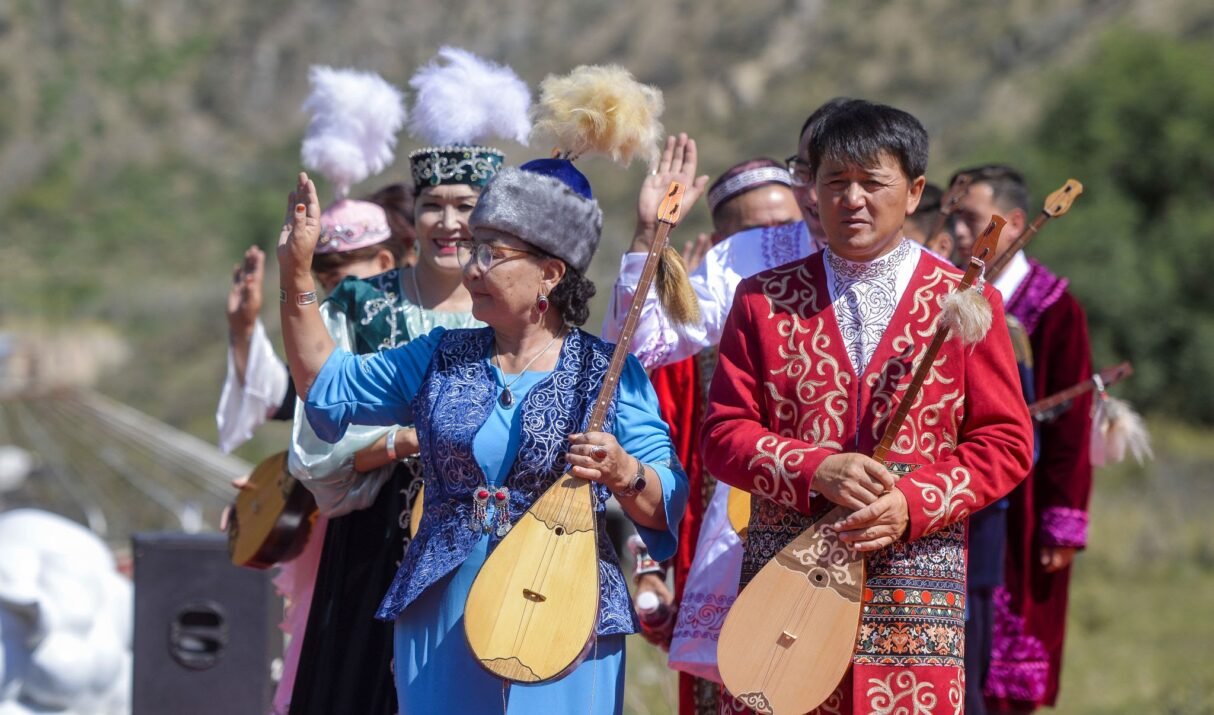
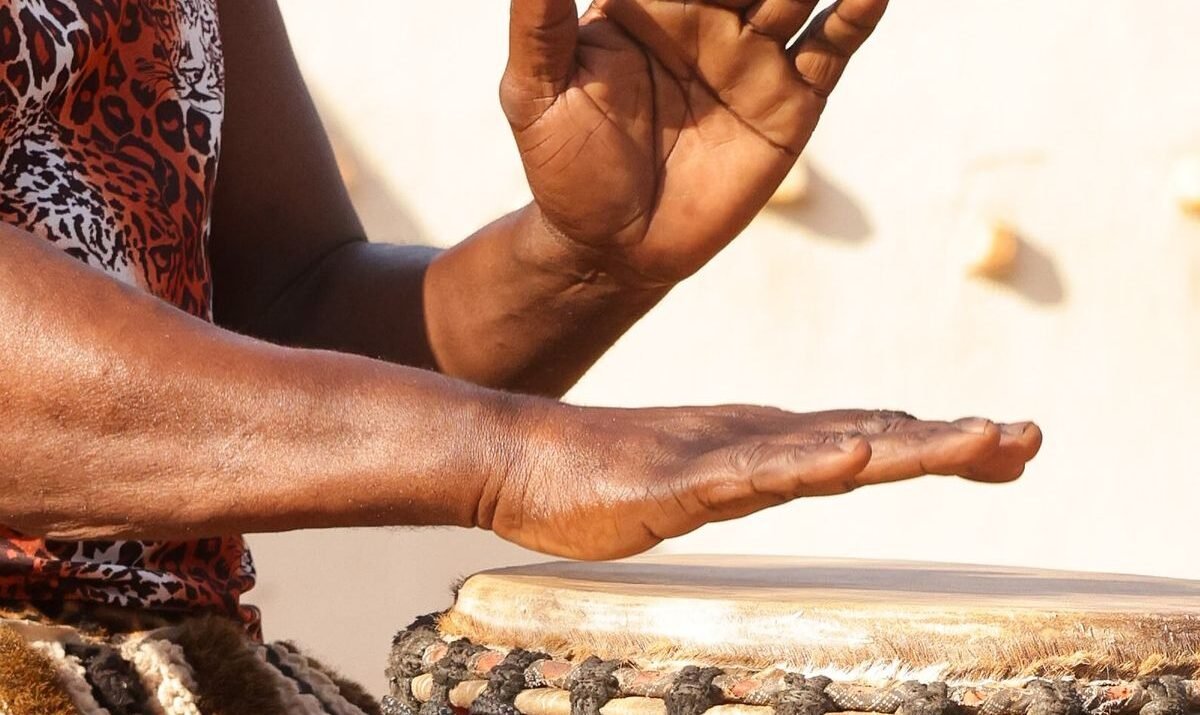
Music is far more than a combination of pleasing notes and rhythmic beats; it is a living, breathing archive of human history. Across the globe, societies have long used song and instrumentation to express what words alone cannot capture. As a profound mirror of society, music reflects the collective values, struggles, and triumphs of a
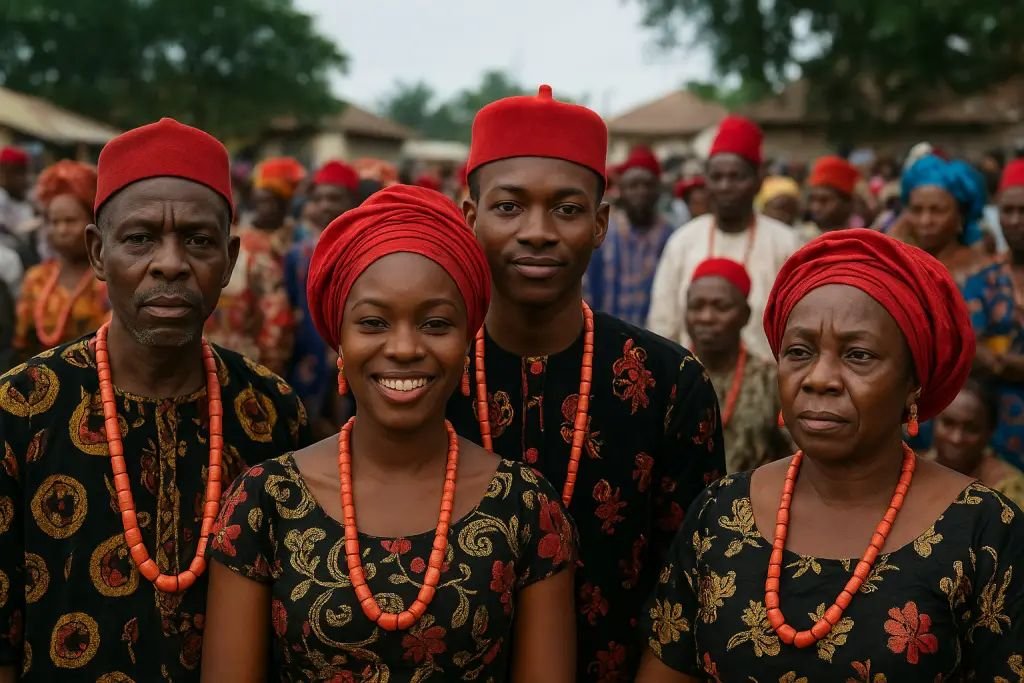
The story of the Igbo people of southeastern Nigeria is a powerful narrative of resilience, democratic governance, and profound cultural identity. As one of Africa’s most dynamic and influential ethnic groups, the Igbo have shaped the social and economic landscape of West Africa for millennia. Their history is not defined by massive royal conquests or
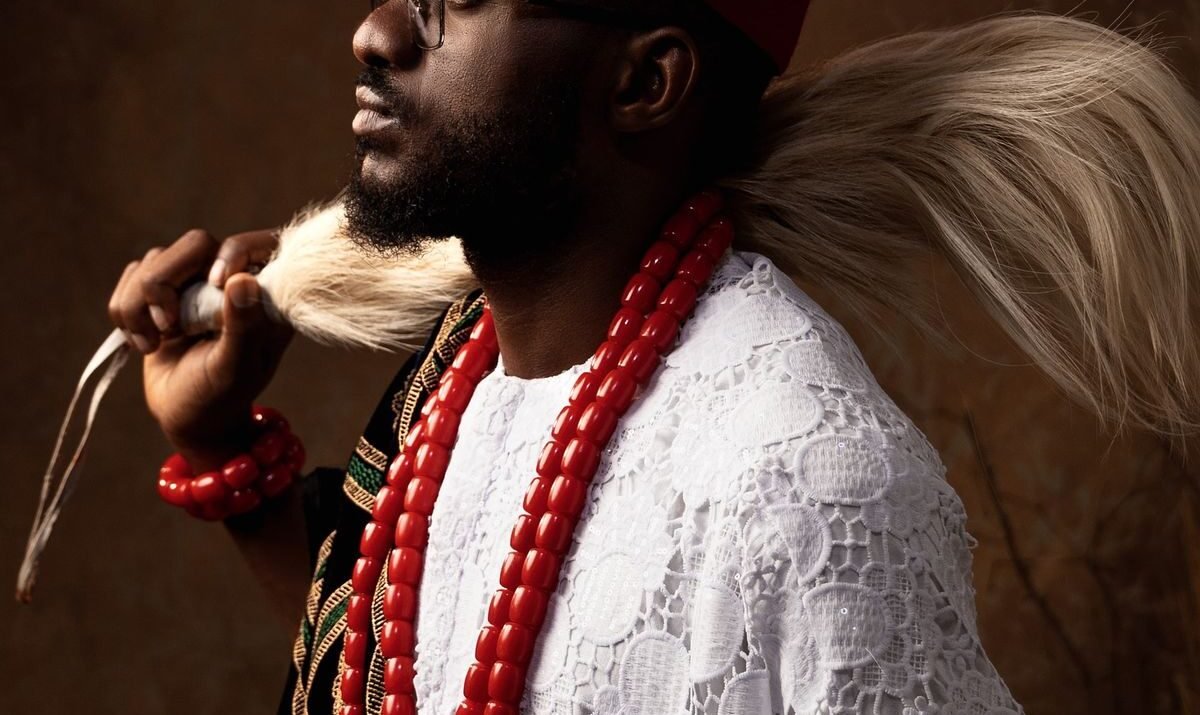
In traditional Igbo society, governance and social harmony do not rest on a centralized monarchy, but on a deeply respected system of elders. Known collectively as the Oha na Eze or Ndi Ichie, these elderly men and women are viewed as the structural pillars of the community. They are not valued merely for their advanced
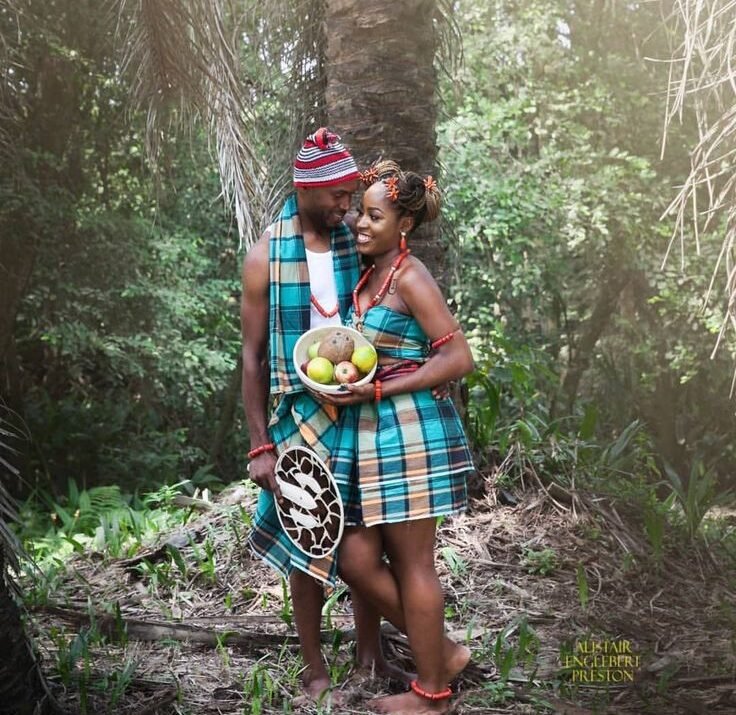
Proverbs, or Ilu, hold a sacred place in the heart of Igbo culture and language. In southeastern Nigeria, elders view proverbs as “the palm oil with which words are eaten”—an essential ingredient that lubricates conversation, adds depth to speech, and passes down centuries of ancestral wisdom. Far from being mere decorative phrases, these witty sayings
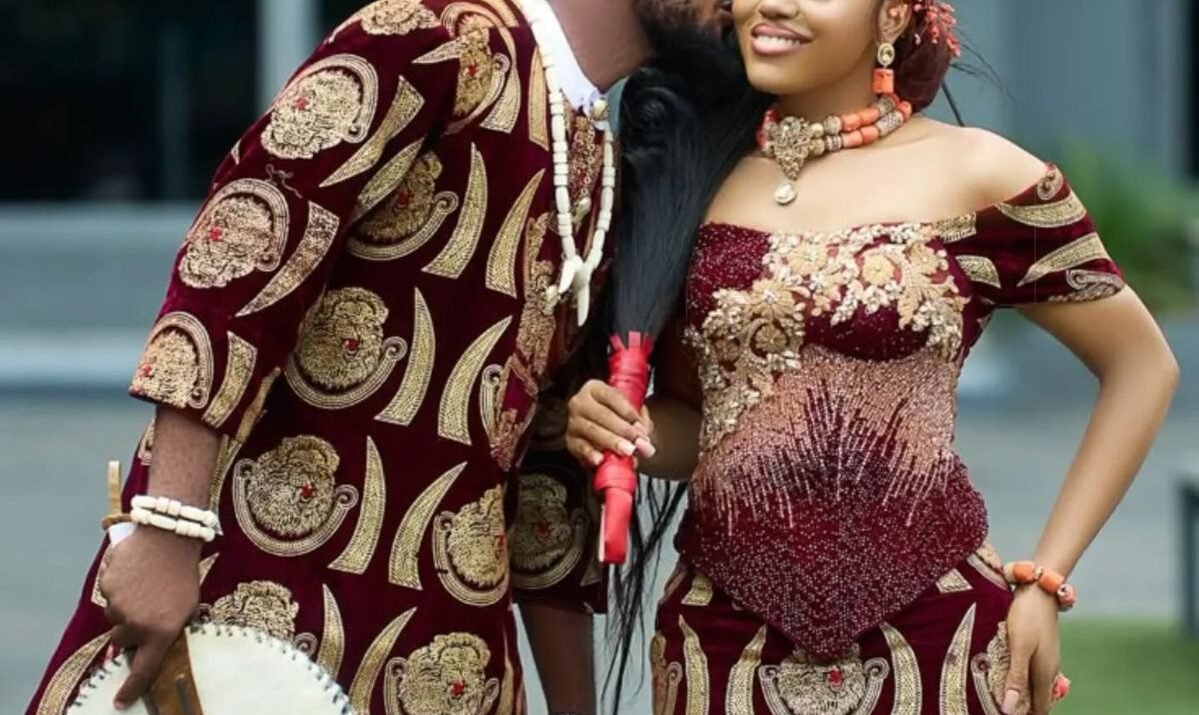
Nigerian weddings are globally renowned for their grandeur, but an Igbo traditional wedding—locally known as Igba Nkwu (the wine carrying)—holds a unique, unyielding position in cultural storytelling. Far beyond a simple legal or spiritual contract, an Igbo marriage is an intricate, multi-stage community merger governed by ancient customs and deep familial reverence. While neighboring cultures
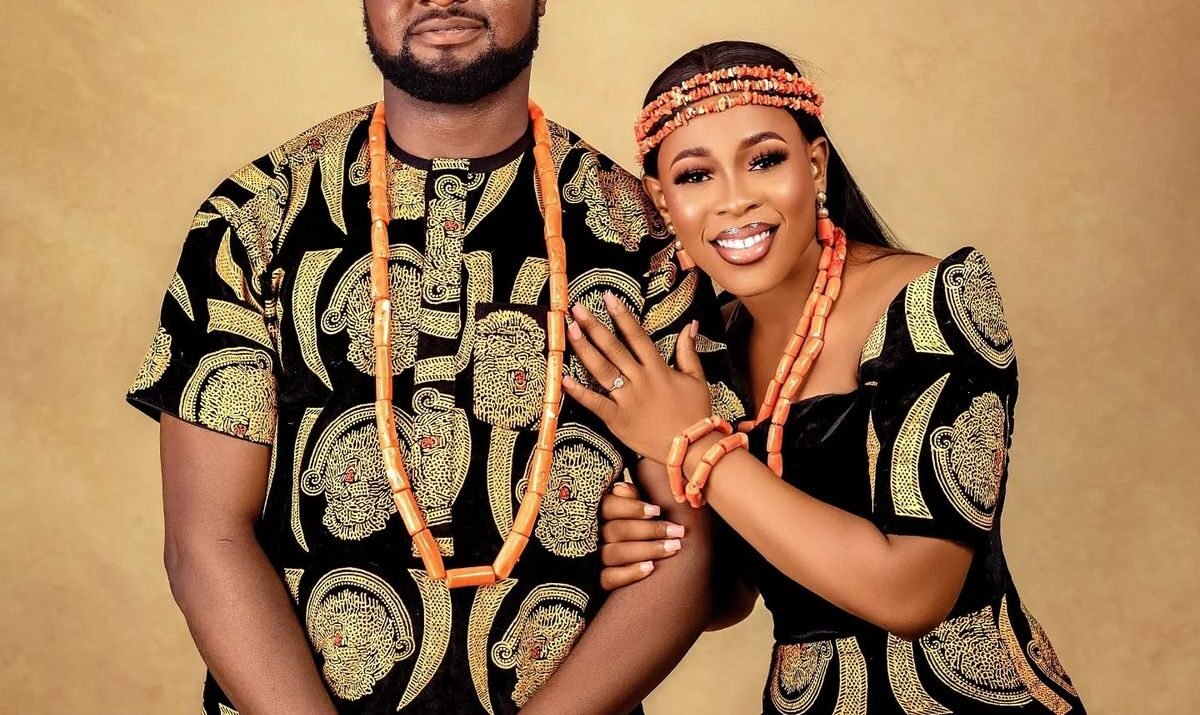
The traditional Igbo marriage, widely known as Igbankwu, is far more than a colorful celebration of love; it is a sacred, structured institution that binds two families and communities together forever. In Southeastern Nigeria, marriage is viewed as a lifetime community contract, meaning an individual does not simply marry a spouse, but marries into an
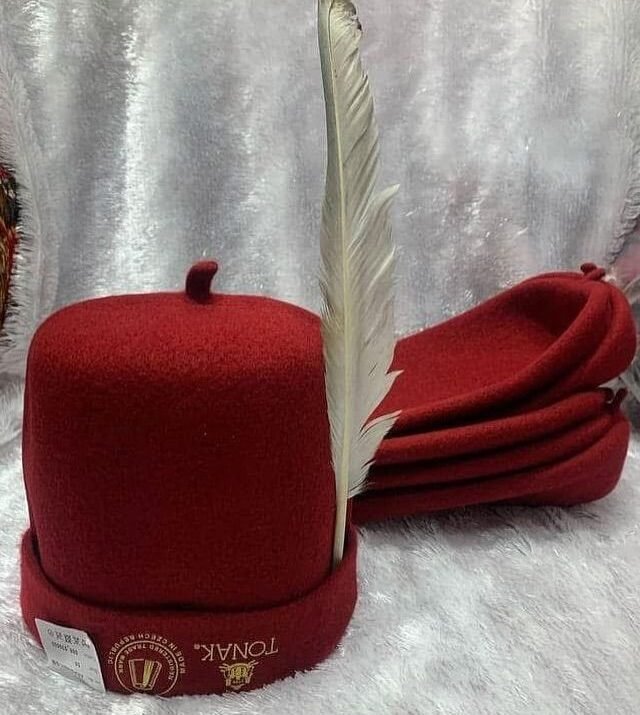
The Igbo people of Southeastern Nigeria possess a rich cultural identity deeply rooted in community, morality, and unique social structures. For centuries, these customs defined societal values and preserved historical knowledge from one generation to the next. However, the rapid pace of globalization, urbanization, and Westernization has placed significant pressure on these ancient practices. While