Long before colonial contact, the Igbo people of southeastern Nigeria practiced a deeply structured, sophisticated religious system that permeated every aspect of daily life. Rather than being a separate institution, religion was woven into governance, agriculture, family structure, and community justice. It was a holistic worldview centered on maintaining balance between the physical world (Uwa)
The story of the Igbo people of southeastern Nigeria is a powerful narrative of resilience, democratic governance, and profound cultural identity. As one of Africa’s most dynamic and influential ethnic groups, the Igbo have shaped the social and economic landscape of West Africa for millennia. Their history is not defined by massive royal conquests or
In Igbo culture, a name is far more than a simple tag for identification; it is a profound declaration of identity, destiny, and circumstance. The Igbo people of Southeastern Nigeria believe that names possess spiritual weight and can actively influence a person’s life path, character, and achievements. When an Igbo child is named, the parents
For generations, Igbo mothers have held a revered status as the foundational pillars of the home, famous for shaping individuals of exceptional character, resilience, and ambition. Rooted in southeastern Nigeria, the traditional Igbo approach to parenting is an intentional art form designed to prepare children for a highly competitive and dynamic world. By blending fierce
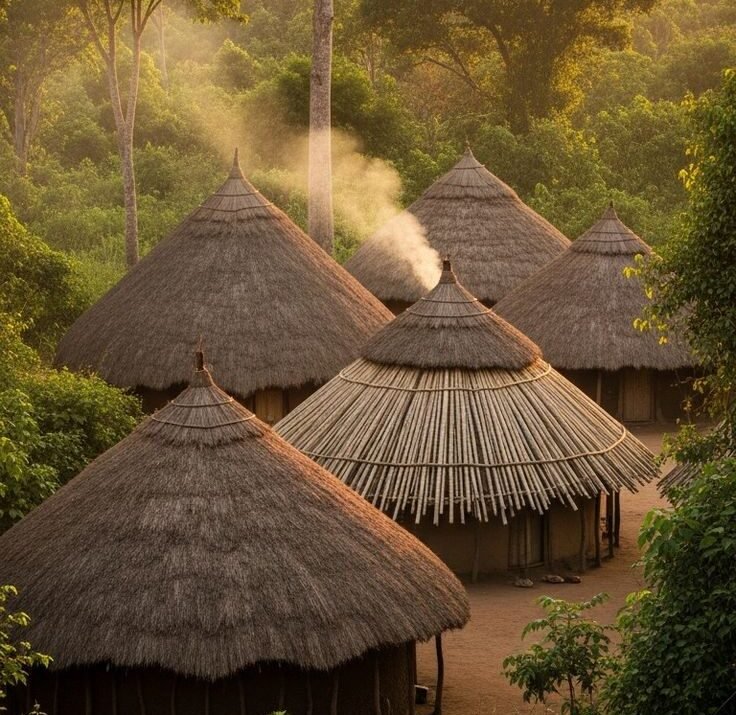
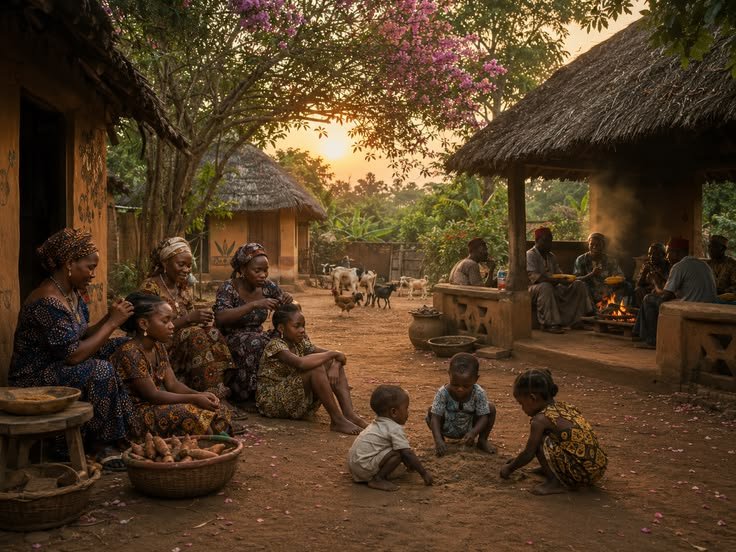
Long before modern gadgets and electricity reshaped the landscape of West Africa, life in an Igbo village was guided by the natural rhythms of the earth and the deep warmth of human connection. It was a world where time was measured by the market days of the Eke, Orie, Afo, and Nkwo cycle, rather than
Growing up in an Igbo household is a unique, vibrant experience shaped by deep-rooted cultural values, unwavering discipline, and an abundance of love. Across Southeastern Nigeria and the global diaspora, children raised by Igbo parents share an unspoken bond forged by identical childhood rules, distinct parenting styles, and memorable family dynamics. This upbringing blends structural
Proverbs, or Ilu, hold a sacred place in the heart of Igbo culture and language. In southeastern Nigeria, elders view proverbs as “the palm oil with which words are eaten”—an essential ingredient that lubricates conversation, adds depth to speech, and passes down centuries of ancestral wisdom. Far from being mere decorative phrases, these witty sayings
Nigerian weddings are globally renowned for their grandeur, but an Igbo traditional wedding—locally known as Igba Nkwu (the wine carrying)—holds a unique, unyielding position in cultural storytelling. Far beyond a simple legal or spiritual contract, an Igbo marriage is an intricate, multi-stage community merger governed by ancient customs and deep familial reverence. While neighboring cultures
The traditional Igbo marriage, widely known as Igbankwu, is far more than a colorful celebration of love; it is a sacred, structured institution that binds two families and communities together forever. In Southeastern Nigeria, marriage is viewed as a lifetime community contract, meaning an individual does not simply marry a spouse, but marries into an