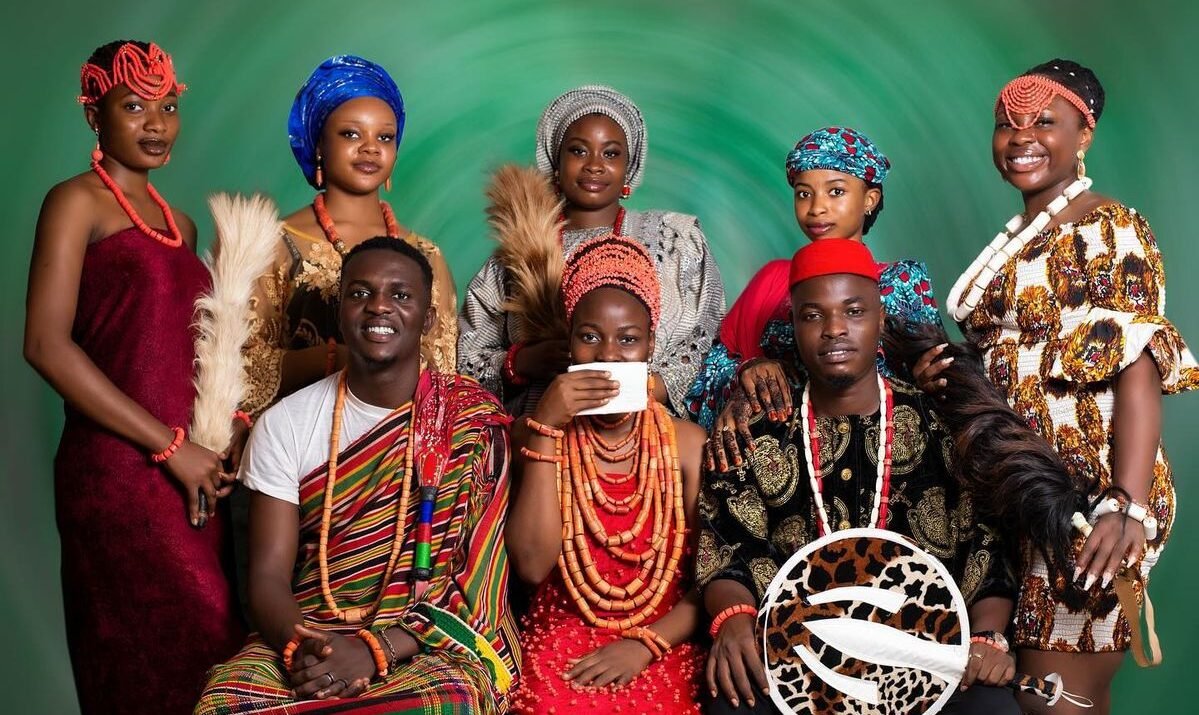

Nigeria is globally celebrated as a magnificent tapestry of over 250 ethnic nationalities, each boasting unique customs, languages, and historical legacies. When exploring the foundational roots of this diverse nation, historians, linguists, and archaeologists frequently point to one group as the earliest established continuous inhabitants: the Ijaw (Ijo) people. Primarily settling the rich, labyrinthine waterways


Why are modern relationship values shifting back to foundational life skills? Explore how parental upbringing impacts a daughter’s readiness for long-term marriage and domestic success – Modern Marriage Values

South Africa’s economic landscape is a fascinating study in contrast, holding the title of Africa’s most industrialized and technologically advanced market while grappling with deep-seated structural issues. The nation boasts a sophisticated financial sector, abundant natural resources, and world-class infrastructure. However, this economic maturity coexists with staggering inequality and fiscal bottlenecks. Understanding South Africa’s true
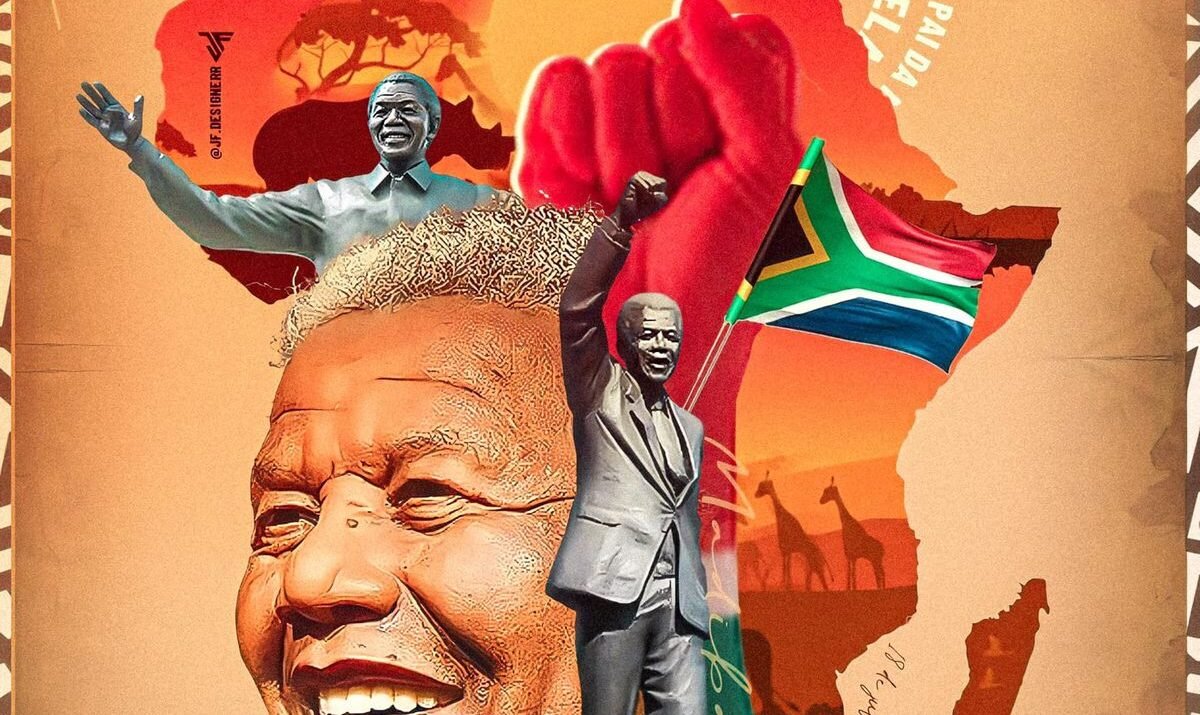
South Africa’s transition from the oppressive system of apartheid to a vibrant democracy in 1994 stands as one of the most remarkable political milestones of the 20th century. Spearheaded by iconic leaders like Nelson Mandela, the birth of the “Rainbow Nation” promised equal rights, freedom, and a shared future for all citizens regardless of race.
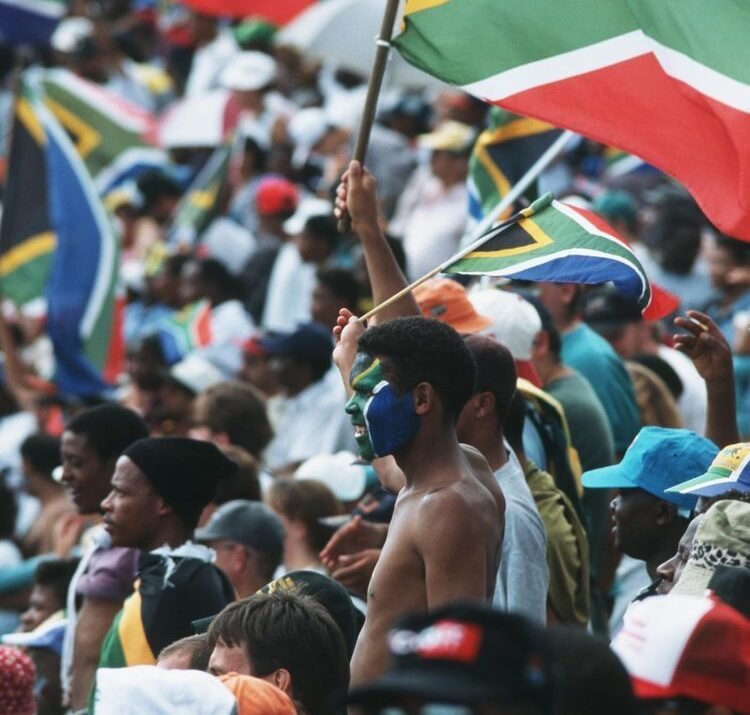
South Africa is famously known as the “Rainbow Nation,” a term that highlights its incredible mix of cultures, languages, and traditions. Beyond the well-known tourist attractions and historical landmarks lies a deeper, untold story of how this intense diversity actually functions as the heartbeat of daily life. With twelve official languages—including Zulu, Xhosa, Afrikaans, and
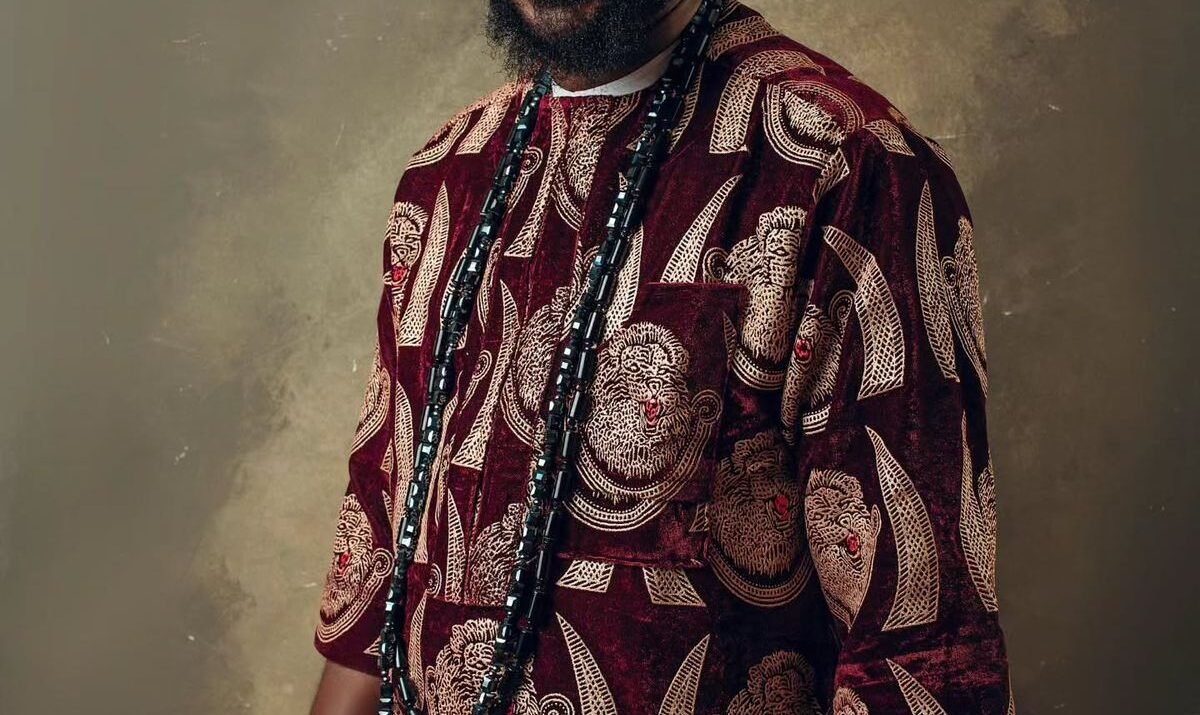
Growing up in a modern city, I always viewed the traditional customs of my Igbo heritage as outdated rituals reserved for festive visits to the village. To me, the insistence on specific greetings and bowing to elders seemed more like an exercise in ego than a necessity. However, my perspective shifted completely during a family
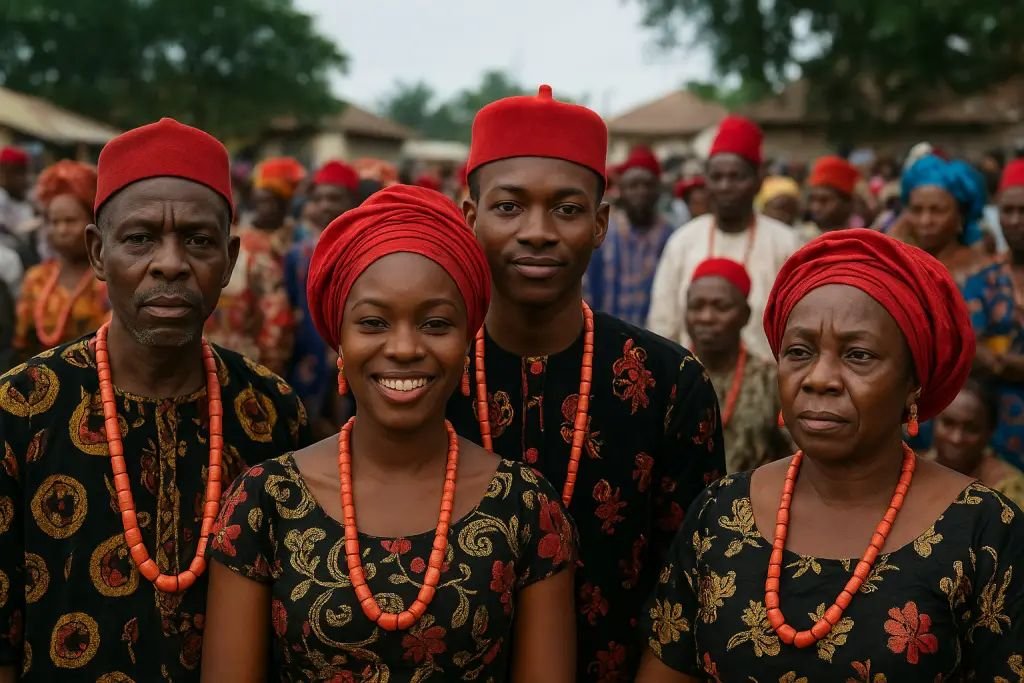
The story of the Igbo people of southeastern Nigeria is a powerful narrative of resilience, democratic governance, and profound cultural identity. As one of Africa’s most dynamic and influential ethnic groups, the Igbo have shaped the social and economic landscape of West Africa for millennia. Their history is not defined by massive royal conquests or
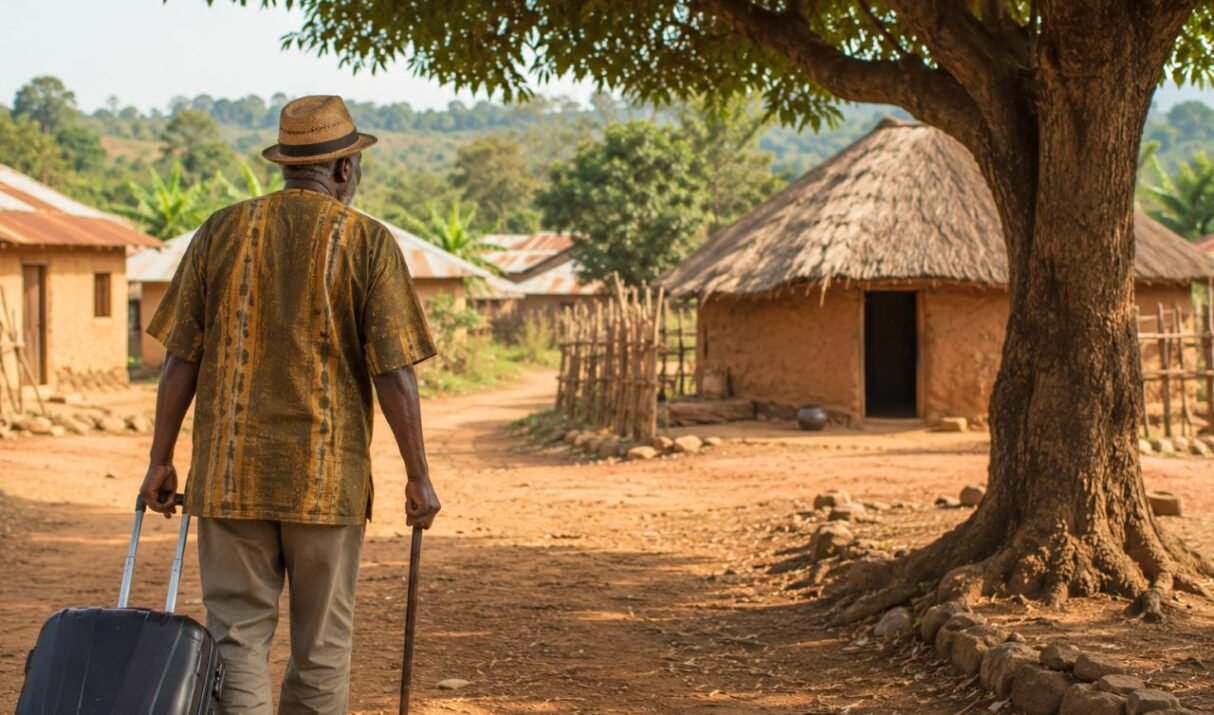
Moving from the city to the countryside for retirement sounds idyllic, but it can be a massive culture shock. Discover the psychological realities and how to prepare for a successful rural retirement.