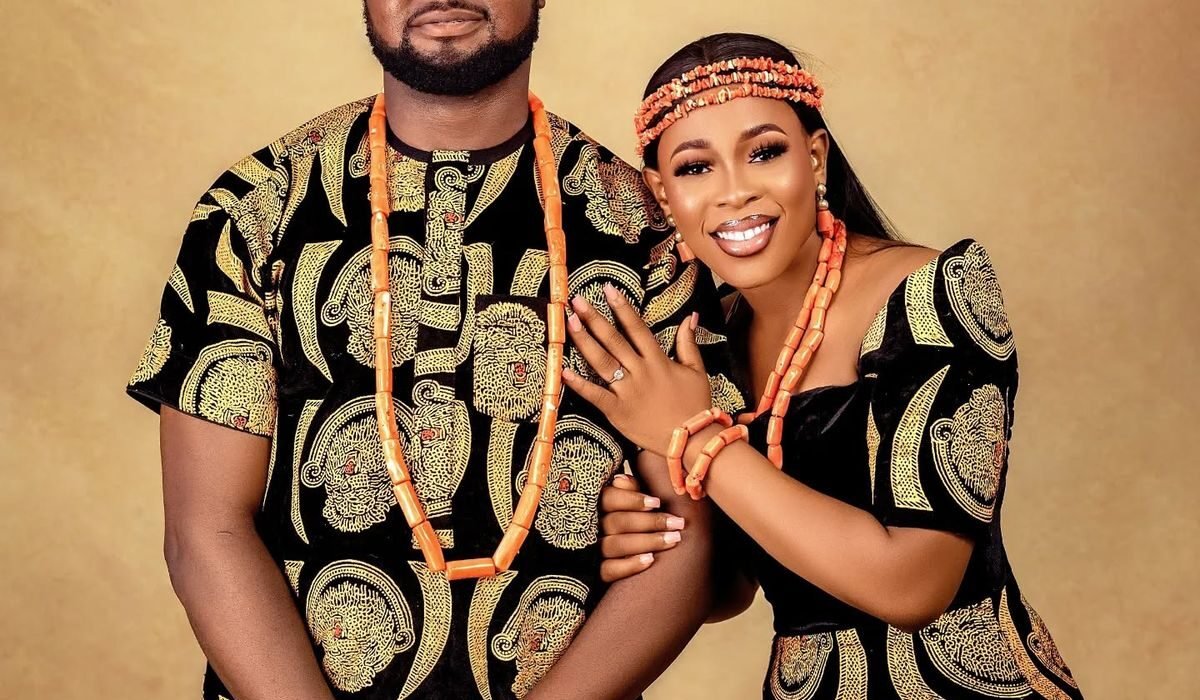
The Truth About Igbo Traditional Marriage
Posted in :

The traditional Igbo marriage, widely known as Igbankwu, is far more than a colorful celebration of love; it is a sacred, structured institution that binds two families and communities together forever. In Southeastern Nigeria, marriage is viewed as a lifetime community contract, meaning an individual does not simply marry a spouse, but marries into an entire lineage. While outsiders often focus on the vibrant attire, lively music, and legendary negotiations, the true essence of an Igbo marriage lies in its deep respect for consensus, ancestry, and communal solidarity.
The Pillar of Consent: Iku Aka and Iju Ese
The matrimonial journey begins quietly with Iku Aka (the knocking on the door), where the groom and his father formally present their intentions to the bride’s family. This is immediately followed by Iju Ese (the inquiry), an intense and discreet investigation launched by both families. The truth about this phase is that it acts as an ancient vetting system. Families dig into each other’s history, looking for patterns of hereditary illnesses, crime, or bad character. Only when both sides are completely satisfied with the background checks do they proceed, proving that Igbo marriage prioritizes long-term family stability over immediate romance.
The Myth and Reality of the Bridal List (Ivu Aku)
One of the most widely discussed—and often misunderstood—aspects of Igbo marriage is the marriage list (Ivu Aku). While critics frequently complain about the length and expense of these lists, the truth is that the list serves a profound cultural purpose. Historically, the items requested—ranging from wrappers and yams to jewelry and household goods—represent a symbolic investment by the groom to demonstrate his financial capability to care for his new family. Furthermore, many items are redistributed among the extended family and village elders, serving as a social security system that guarantees the community’s collective support and protection for the new couple.
The Sacred Toast: Igbankwu Nwanyi
The climax of the entire process is the public ceremony, Igbankwu Nwanyi (the wine-carrying). During this event, the bride is given a cup of palm wine by her father and tasked with finding her husband amidst a crowded, distracting audience. The truth behind this beautiful ritual is deeply symbolic: by searching out her groom and offering him the wine on her knees, the bride publicly and voluntarily seals the marriage before the physical and spiritual community. Once the groom drinks the wine, the union is officially recognized under customary law, accompanied by joyous dancing, gift-giving, and a massive feast.
The True Cost and Lasting Value
Ultimately, the truth about Igbo traditional marriage is that it cannot be reduced to a mere financial transaction. While the initial costs of fulfilling the list and hosting the Igbankwu can range from moderate to highly premium depending on the specific village and family, the return on investment is a lifetime of unwavering communal support. If the couple faces hardships or disputes in the future, the very elders and family members who witnessed and participated in the rites are culturally obligated to step in, mediate, and protect the home. It is this robust, unbreakable safety net that makes the Igbo traditional marriage one of the most resilient cultural institutions in Africa.