The Role of Elders in Traditional Igbo Communities
Posted in :

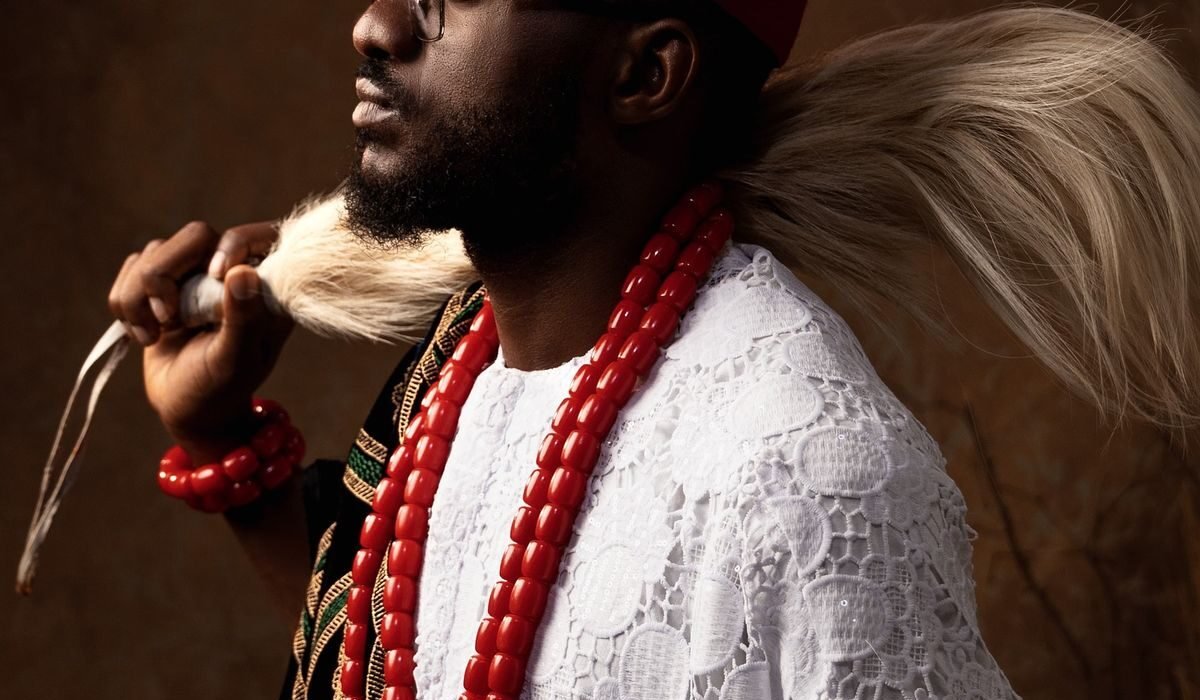
In traditional Igbo society, governance and social harmony do not rest on a centralized monarchy, but on a deeply respected system of elders. Known collectively as the Oha na Eze or Ndi Ichie, these elderly men and women are viewed as the structural pillars of the community. They are not valued merely for their advanced age, but because they represent a living bridge between the physical world and the ancestors (Ndi Ichie). In a culture that highly prizes decentralized democracy, the elders ensure that the community stays anchored to its core values of justice, hard work, and mutual respect.
Guardians of Custom and Customary Law (Omenala)
The primary responsibility of Igbo elders is the preservation and enforcement of Omenala—the sacred traditions, laws, and moral codes of the land. Because traditional Igbo society historically relied on oral tradition, the elders serve as the community’s living archives. They possess an unmatched mastery of proverbs, historical precedents, and cultural boundaries. When complex situations arise, the community relies on the elders to interpret the law accurately, ensuring that contemporary decisions align perfectly with ancestral wisdom and that sacred customs are not diluted over time.
Supreme Arbitrators and Peacemakers
Conflict resolution is another vital domain where Igbo elders play an indispensable role. Operating through village councils, such as the Amala, elders sit in judgment over land disputes, family feuds, and behavioral infractions. Their approach to justice is unique: it focuses on reconciliation and restoring communal harmony rather than merely punishing the offender. By using deep philosophical reasoning, patience, and a profound understanding of human nature, elders successfully defuse tensions that could otherwise tear the social fabric of the village apart.
Spiritual Intercessors and Ritual Leaders
Beyond their political and social duties, elders hold significant spiritual authority within traditional Igbo communities. As the individuals closest to the ancestors in age, they are trusted to offer prayers, pour libations, and lead vital cleansing rituals. During major cultural events like the New Yam Festival (Iwa Ji), it is the elders who break the kola nut (Oji), offering blessings for prosperity, health, and protection. This spiritual role reinforces their authority, as they are seen as intermediaries ensuring the community remains in the good graces of both the divine and the departed.
Mentors for the Next Generation
Ultimately, the survival of Igbo culture depends on the seamless transfer of knowledge, a task that rests squarely on the shoulders of the elders. Through storytelling, proverbs, and direct mentorship within age grades (Uke), they instill values of integrity, communal responsibility, and courage into the youth. By teaching young men and women what it truly means to be a person of character (Ezigbo Mmadu), the elders guarantee the continuity of their civilization. Their presence is a reassuring shield, proving the timeless Igbo adage: Ohia taba agadi, a kpaa ya amu—when an elder is present in the community, chaos is never allowed to take root.