

Modern parenting often emphasizes individualism, but traditional Igbo parenting operated on a profoundly different philosophy. Rooted in the rich cultural landscapes of southeastern Nigeria, old Igbo child-rearing was structured, deeply intentional, and inherently collective. It was a system engineered not just to raise a successful individual, but to sustain a thriving, moral society. Understanding why
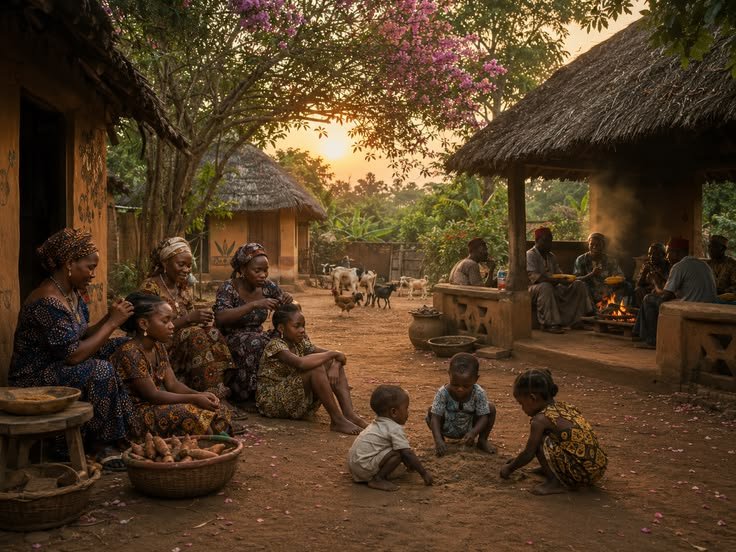
Stepping into a traditional Igbo village in southeastern Nigeria feels less like a geographic journey and more like an immersive lesson in communal living. The bustling city noises melt away, replaced by the rhythmic thumping of yams being pounded in wooden mortars and the melodic cadence of the Igbo language. While modern life has swept
Growing up in a modern city, I always viewed the traditional customs of my Igbo heritage as outdated rituals reserved for festive visits to the village. To me, the insistence on specific greetings and bowing to elders seemed more like an exercise in ego than a necessity. However, my perspective shifted completely during a family
Long before colonial contact, the Igbo people of southeastern Nigeria practiced a deeply structured, sophisticated religious system that permeated every aspect of daily life. Rather than being a separate institution, religion was woven into governance, agriculture, family structure, and community justice. It was a holistic worldview centered on maintaining balance between the physical world (Uwa)
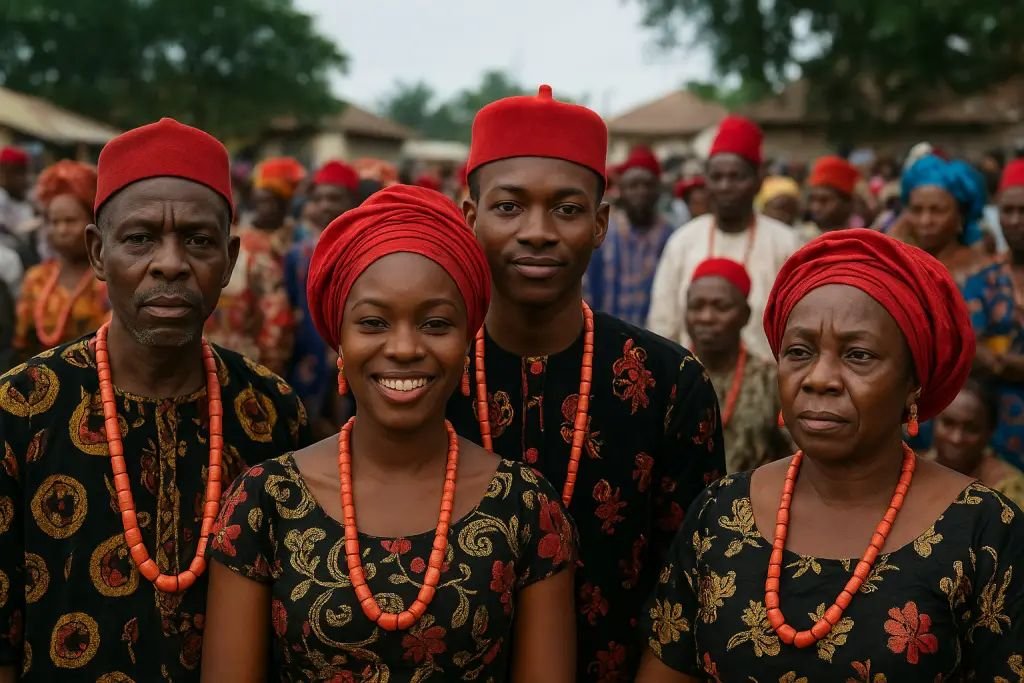
The story of the Igbo people of southeastern Nigeria is a powerful narrative of resilience, democratic governance, and profound cultural identity. As one of Africa’s most dynamic and influential ethnic groups, the Igbo have shaped the social and economic landscape of West Africa for millennia. Their history is not defined by massive royal conquests or

In Igbo culture, a name is far more than a simple tag for identification; it is a profound declaration of identity, destiny, and circumstance. The Igbo people of Southeastern Nigeria believe that names possess spiritual weight and can actively influence a person’s life path, character, and achievements. When an Igbo child is named, the parents
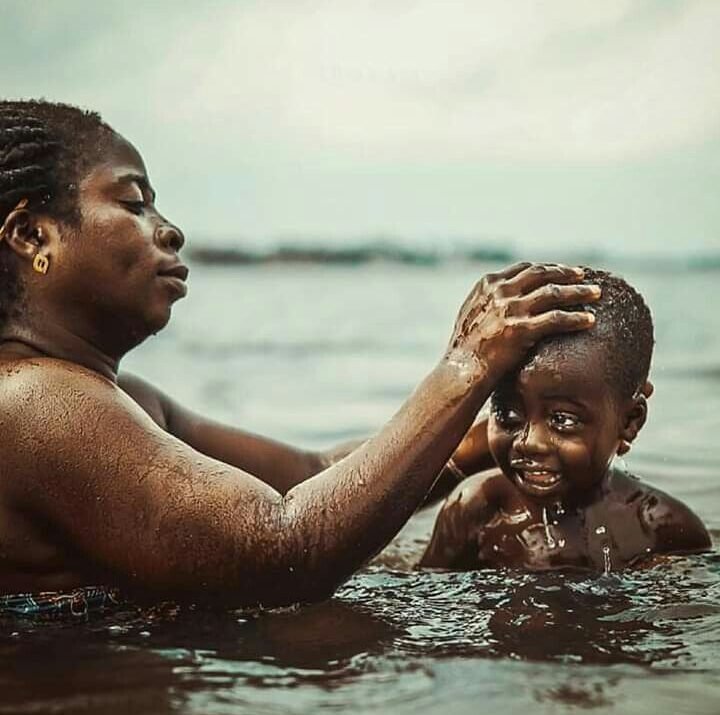
As modern society races forward in the digital age, the values that once anchored communities are occasionally left behind. Traditional Igbo culture, originating from southeastern Nigeria, was a highly structured, sophisticated system built on communal strength, philosophical depth, and environmental balance. While globalization and technological advancement have brought undeniable progress, the transition to modern living
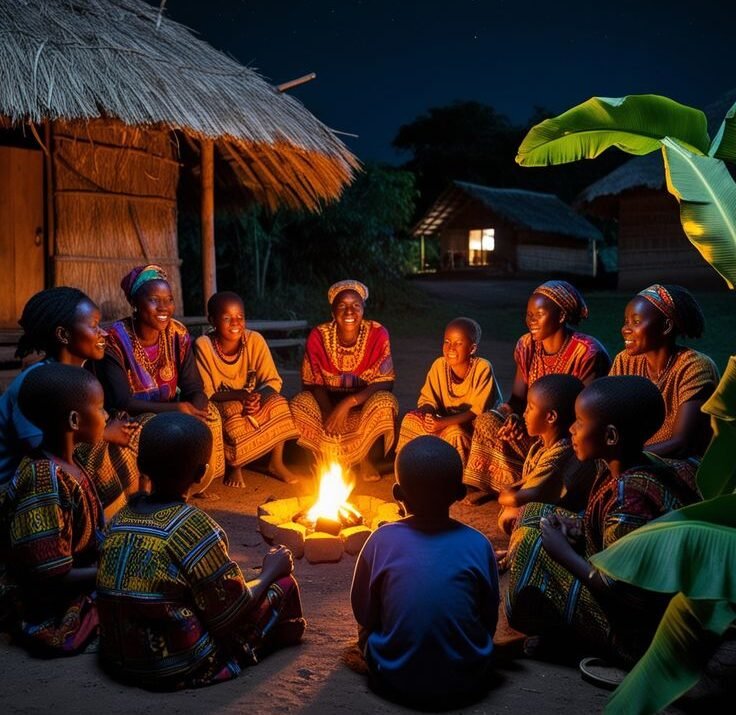
Long before modern gadgets and electricity reshaped the landscape of West Africa, life in an Igbo village was guided by the natural rhythms of the earth and the deep warmth of human connection. It was a world where time was measured by the market days of the Eke, Orie, Afo, and Nkwo cycle, rather than
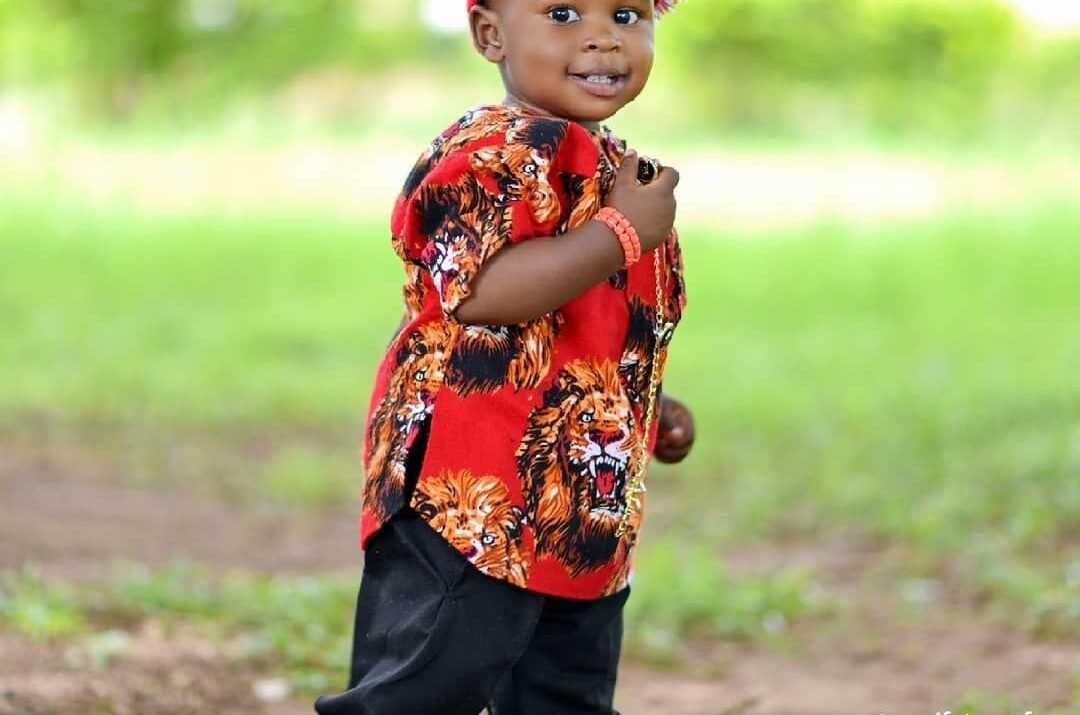
Growing up in an Igbo household is a unique, vibrant experience shaped by deep-rooted cultural values, unwavering discipline, and an abundance of love. Across Southeastern Nigeria and the global diaspora, children raised by Igbo parents share an unspoken bond forged by identical childhood rules, distinct parenting styles, and memorable family dynamics. This upbringing blends structural