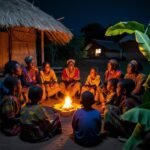
Growing Up in an Igbo Home: Things We All Experienced
Posted in :

Growing up in an Igbo household is a unique, vibrant experience shaped by deep-rooted cultural values, unwavering discipline, and an abundance of love. Across Southeastern Nigeria and the global diaspora, children raised by Igbo parents share an unspoken bond forged by identical childhood rules, distinct parenting styles, and memorable family dynamics. This upbringing blends structural discipline with rich traditions, molding individuals into resilient, community-minded adults who carry these shared memories for a lifetime.
1. The Language of the Eyes and the “Igbo Look”
Long before a word was spoken, every child raised in an Igbo home learned to read “the look.” Igbo parents are masters of non-verbal communication, capable of delivering a stern warning or a command to leave the room with a single glance. Eye contact during a guest’s visit was an instant signal to refuse any offered snacks, or risk facing a intense debriefing once the visitors departed. This unspoken language instilled an early sense of situational awareness and emotional intelligence in every child.
2. High Academic Expectations and Career Pathways
In an Igbo household, education is viewed as the ultimate equalizer and the ultimate legacy. Report cards were scrutinized with intense precision, and coming home with anything less than first place usually triggered the classic rhetorical question: “Does the person who came first have two heads?” Parents expected excellence and frequently steered their children toward prestigious professions. The traditional trio of medicine, law, and engineering—along with a strong appreciation for commerce and entrepreneurship—remained the baseline goals for success.
3. The Uncompromising Rules of Respect and Chores
Respect for elders is the absolute cornerstone of Igbo family life. Greeting family members and neighbors first thing in the morning was mandatory, and using the right hand to give or receive items was non-negotiable. Mornings began exceptionally early, soundtracked by sweeping, washing, and the rhythmic pounding of yams or spices. Skipping chores was out of the question, as hard work was drilled into children not as a punishment, but as vital preparation for the realities of adulthood.
4. Sunday Mornings, Rice, and Family Festivities
Despite the strict daily routines, Igbo homes are filled with deep warmth, celebration, and culinary traditions. Sunday mornings followed a predictable, comforting script: getting dressed in your absolute best outfits for church, followed by the highly anticipated aroma of Sunday rice or a rich native soup like Ofe Benson or Egusi. These meals, combined with the loud, joyful chaos of extended family gatherings and traditional festivals, served as a regular reminder that the firm discipline was entirely rooted in a desire to build a strong, successful, and well-connected family line.