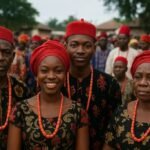

In Igbo culture, a name is far more than a simple tag for identification; it is a profound declaration of identity, destiny, and circumstance. The Igbo people of Southeastern Nigeria believe that names possess spiritual weight and can actively influence a person’s life path, character, and achievements. When an Igbo child is named, the parents are essentially writing a story, expressing gratitude to the Divine, or setting a powerful blueprint for the child’s future. This deep connection makes the study of Igbo names an inspiring window into the core values of the society.
1. Expressions of Faith and Gratitude (Chukwu)
A vast majority of Igbo names are centered around Chukwu or Chi, which represent the Supreme God and the personal spiritual guide. These names serve as permanent testimonies of a family’s faith, gratitude, and reliance on divine intervention. For instance, Chinedu means “God leads,” Chiamaka translates to “God is beautiful,” and Kamsiyochukwu beautifully summarizes a parent’s joy as “How I asked God.” By embedding the divine into everyday identities, families constantly acknowledge a higher power over their daily lives.
2. Reflections of Circumstance and Family History
Igbo names frequently capture the specific circumstances surrounding a child’s birth or the historical state of the family at that moment. Names can reflect the day of the market week the child was born, such as Mgbeke (born on Eke market day). Alternatively, they can signify victory over long-standing hardships. A name like Nneka (“Mother is supreme”) highlights the foundational role of women, while Obinna (“Father’s heart”) celebrates a deeply desired continuation of the paternal lineage, ensuring that family milestones are forever preserved in speech.
3. Prophetic Declarations of Destiny and Wealth
Parents often use naming ceremonies as an opportunity to speak prosperity, resilience, and greatness into their children’s futures. These names act as daily prophetic affirmations that the child carries throughout their life. For example, Onyedikachi challenges adversity by asking, “Who is like God?” Meanwhile, names like Nwachukwu (“Child of God”) and Nwabugwu (“A child is the source of prestige”) remind the bearer of their inherent value, positioning them to walk through the world with dignity, purpose, and a strong sense of community responsibility.
4. Preserving Heritage in a Modern World
As the Igbo diaspora expands globally, the preservation of native naming traditions has become a vital anchor for cultural heritage. Modern Igbo parents continue to choose traditional names deliberately, ensuring their children remain connected to their roots regardless of where they live. Understanding the rich meanings behind these names fosters a deep sense of pride and belonging. Ultimately, an Igbo name is a living piece of art—a beautiful blend of poetry, history, and spirituality that connects the past, present, and future of a vibrant people.