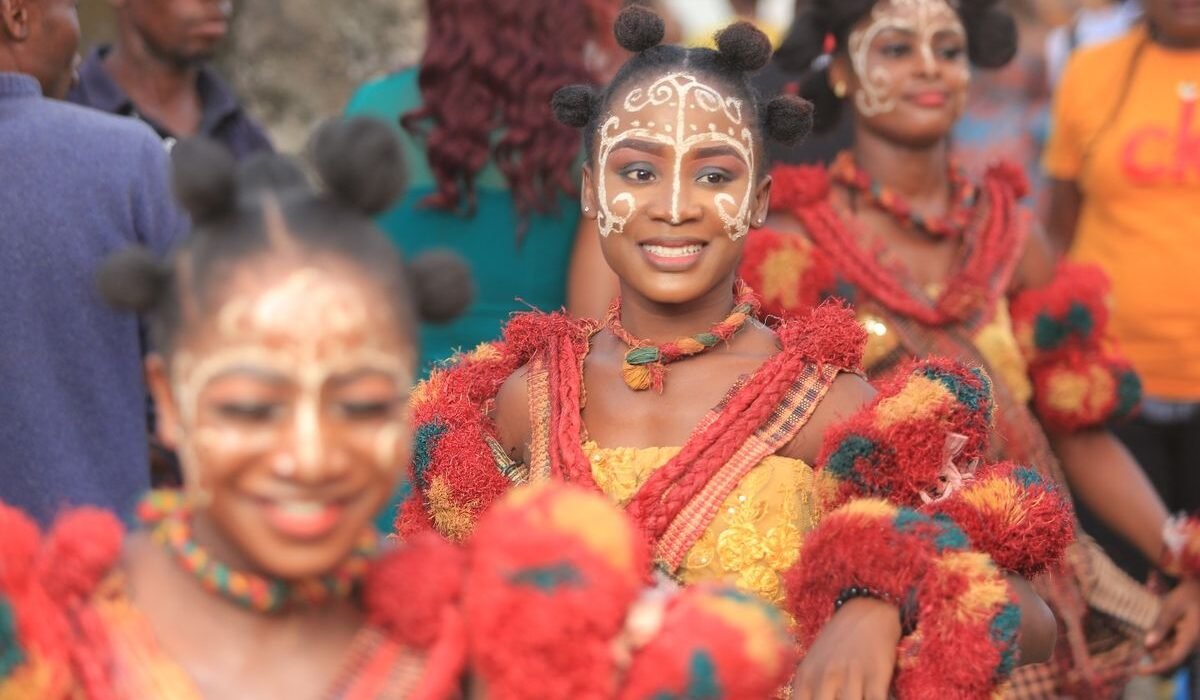

Nigeria is celebrated as Africa’s most populous nation and a vibrant mosaic of cultural diversity, home to hundreds of distinct ethnic groups. While the global spotlight frequently lands on the country’s three largest major ethnicities, the Ibibio people stand out as a highly influential, historically rich, and sizable population in the coastal southeastern region. Primarily anchoring Akwa Ibom State, the Ibibio represent a dominant demographic force in the South-South geopolitical zone. Understanding their current population size offers critical insights into Nigeria’s shifting socio-political map and the enduring strength of its minority ethnic groups.
Mapping the Demographics of the Ibibio People
Quantifying specific ethnic populations in Nigeria involves navigating historical data alongside modern demographic projections. Demographers and global researchers estimate the current Ibibio population in Nigeria to be between 7 million and 8.5 million people. This substantial figure places them firmly as the fourth or fifth largest ethnic group in the entire country. Accounting for roughly 3.5% of Nigeria’s total overall population, the Ibibio community possesses a demographic weight that commands immense respect and carries significant electoral and economic influence within the West African sub-region.
The Geographic Stronghold and Urban Diaspora
The geographical heartbeat of the Ibibio nation is Akwa Ibom State, where they constitute the absolute majority across numerous local government areas. However, their true demographic footprint expands far beyond their ancestral homelands. Economic opportunities and industrial growth have driven a steady migration of Ibibio professionals, merchants, and academics into major Nigerian metropolitan hubs. Today, flourishing Ibibio diaspora communities can be found in Lagos, Abuja, Port Harcourt, and Calabar, ensuring that their unique language, rich culinary traditions, and vibrant social unions remain highly visible across the federation.
Ethnolinguistic Dynamics and the Broader Cluster
When analyzing the modern Ibibio population size, it is essential to consider their close linguistic and cultural ties with neighboring communities. The Ibibio language serves as a foundational mother tongue for a broader cluster of closely related subgroups, including the Annang, Eket, Oron, and Efik peoples. Because these groups share mutually intelligible dialects, deeply intertwined ancestral lineages, and identical cultural institutions, researchers frequently categorize them under the larger “Ibibio-Efik” ethnolinguistic umbrella. When viewed through this combined cultural lens, their collective demographic presence expands even further, reinforcing their status as a foundational pillar of southern Nigerian identity.
Demographic Growth and Future Projections
Propelled by Nigeria’s naturally robust national growth rate, the Ibibio population continues to expand steadily. This upward trajectory is characterized by a notably young demographic profile, with a large percentage of the population under the age of thirty. As this energetic younger generation drives advancements in local commerce, technology, and the creative arts, the influence of the Ibibio nation is poised to grow exponentially. Ultimately, the story of the Ibibio population today is not just a matter of impressive statistical data; it is a testament to a resilient, unified people successfully preserving their ancient heritage while actively building a prosperous future.