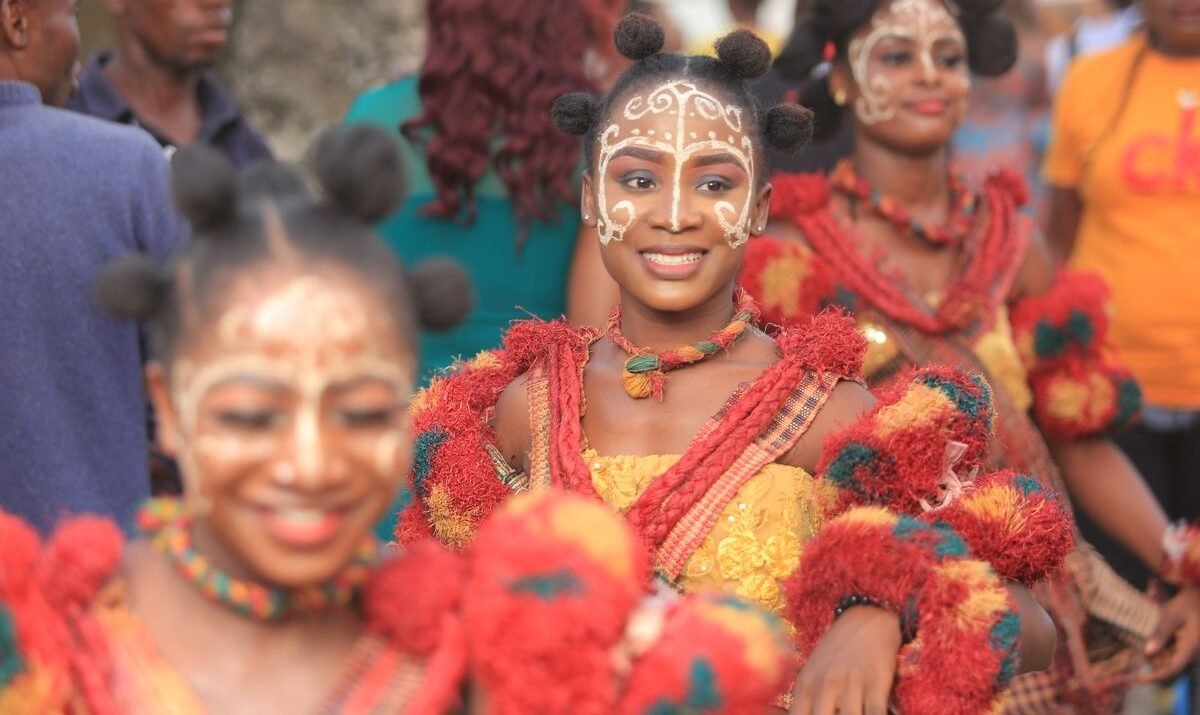
The Ibibio and Efik peoples of Nigeria’s South-South region share a profound historical bond, often grouped together due to their geographic proximity and beautifully intertwined languages. To an outsider, their shared love for rich seafood delicacies, identical naming conventions, and shared social institutions might make them seem completely identical. However, beneath this harmonious surface lie
Nigeria is globally celebrated as a magnificent tapestry of over 250 ethnic nationalities, each boasting unique customs, languages, and historical legacies. When exploring the foundational roots of this diverse nation, historians, linguists, and archaeologists frequently point to one group as the earliest established continuous inhabitants: the Ijaw (Ijo) people. Primarily settling the rich, labyrinthine waterways
South Africa is famously known as the “Rainbow Nation,” a term that highlights its incredible mix of cultures, languages, and traditions. Beyond the well-known tourist attractions and historical landmarks lies a deeper, untold story of how this intense diversity actually functions as the heartbeat of daily life. With twelve official languages—including Zulu, Xhosa, Afrikaans, and
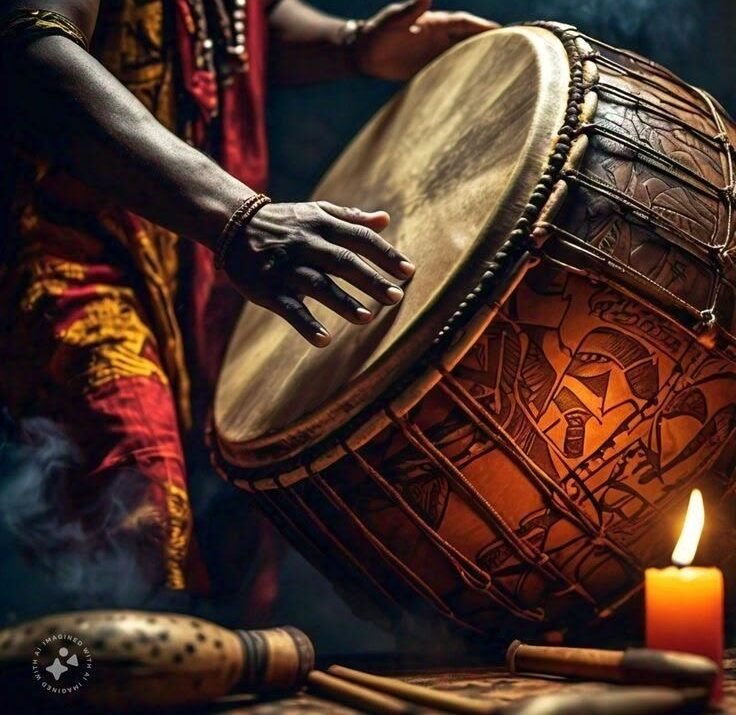
Long before the invention of mobile networks and instant messaging, southeastern Nigeria thrived on highly sophisticated, organic communication systems. Igbo communities relied on a flawless blend of sound, symbolism, and trusted social networks to transmit news across vast distances. Far from being isolated, villages maintained a deep, real-time interconnectedness that ensured everyone—from farmers in distant
Growing up in an Igbo household is a unique, vibrant experience shaped by deep-rooted cultural values, unwavering discipline, and an abundance of love. Across Southeastern Nigeria and the global diaspora, children raised by Igbo parents share an unspoken bond forged by identical childhood rules, distinct parenting styles, and memorable family dynamics. This upbringing blends structural
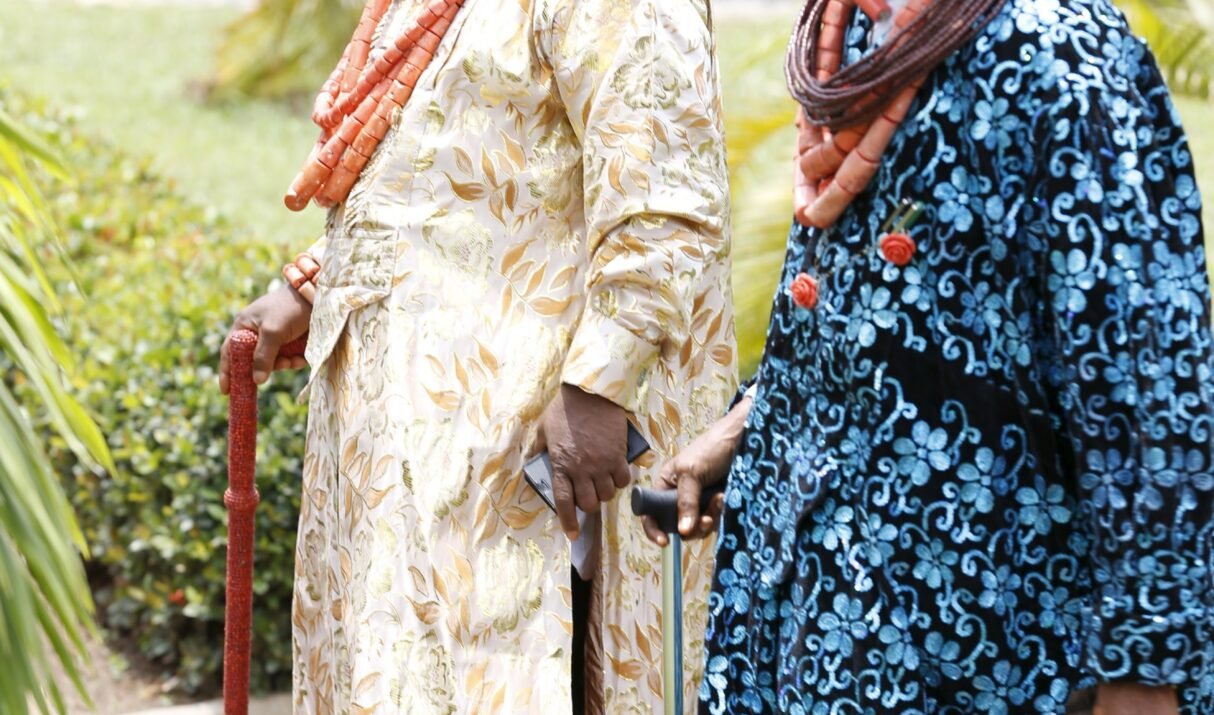
In traditional Igbo society, governance and social harmony do not rest on a centralized monarchy, but on a deeply respected system of elders. Known collectively as the Oha na Eze or Ndi Ichie, these elderly men and women are viewed as the structural pillars of the community. They are not valued merely for their advanced
The traditional Igbo marriage, widely known as Igbankwu, is far more than a colorful celebration of love; it is a sacred, structured institution that binds two families and communities together forever. In Southeastern Nigeria, marriage is viewed as a lifetime community contract, meaning an individual does not simply marry a spouse, but marries into an
The Igbo people of Southeastern Nigeria possess a rich cultural identity deeply rooted in community, morality, and unique social structures. For centuries, these customs defined societal values and preserved historical knowledge from one generation to the next. However, the rapid pace of globalization, urbanization, and Westernization has placed significant pressure on these ancient practices. While
In pre-colonial southeastern Nigeria, the fabric of traditional Igbo society was woven together by a profound, unyielding commitment to respect. Unlike systems built on central kingships, the Igbo operated a highly democratic, decentralized system of governance often described as Ohacracy (government by the community). In this setup, peace and social order did not depend on