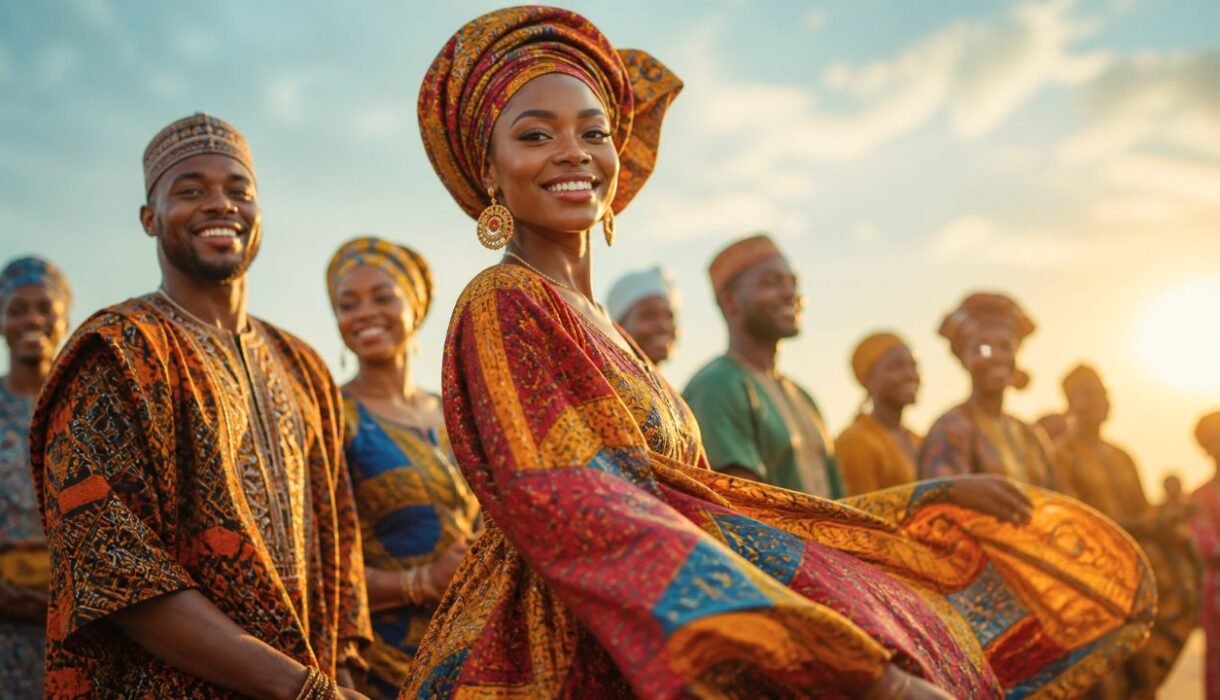
Culture
Posted in :

Culture: Meaning, Importance, Elements, and Global Diversity
At Best Culture Insight, we see culture as the heartbeat of every society — the way people live, connect, and express their identity. It includes the beliefs, values, language, food, clothing, music, art, customs, traditions, religion, festivals, social behavior, and knowledge passed from one generation to another. In simple terms, culture is what gives a community its identity.
Culture is not only about the past; it is also alive in the present. It grows, changes, and adapts as people interact, migrate, trade, communicate, and share ideas. UNESCO describes cultural diversity as a source of exchange, innovation, and creativity, and compares its importance to biodiversity in nature.
What Is Culture?
Culture can be understood as the shared lifestyle and identity of a group of people. It includes both visible and invisible parts of life.
Culture is often described as the “invisible architecture” of a society—the complex system of shared meanings, rituals, and values that guide how we perceive the world and interact with one another.
The visible parts of culture include clothing, food, dance, architecture, art, festivals, and ceremonies. The invisible parts include values, beliefs, morals, worldview, family roles, respect, communication style, spirituality, and social expectations.
Britannica defines culture as including language, ideas, beliefs, customs, institutions, tools, techniques, artworks, rituals, and ceremonies.
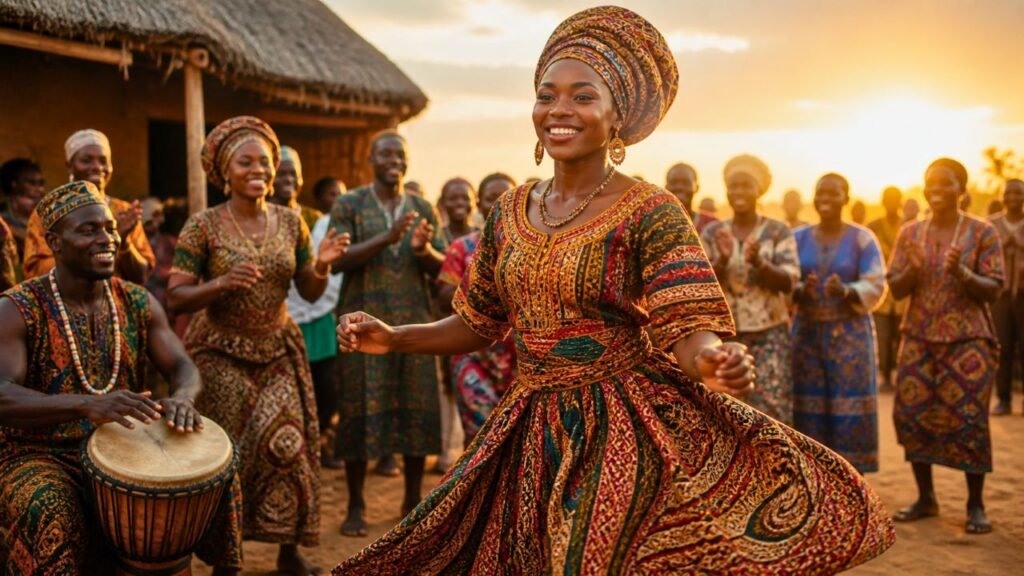
Celebration of dance and rhythm
Major Elements of Culture
1. Language and Communication
Language is one of the strongest parts of culture. It allows people to share knowledge, tell stories, preserve history, express emotions, and build community.
Every language carries cultural meaning. Greetings, proverbs, idioms, songs, and oral stories often reveal how a people think, respect elders, welcome strangers, solve problems, and understand life.
2. Traditions and Customs
Traditions are practices passed down through generations. They may include marriage rites, naming ceremonies, funerals, festivals, harvest celebrations, initiation rites, family gatherings, and community events.
Customs help people know what is acceptable in society. They guide behavior during greetings, dressing, eating, worship, leadership, parenting, and conflict resolution.
3. Beliefs and Values
Beliefs are what people accept as true or meaningful. Values are the principles that guide how people live.
Many cultures value respect, family unity, honesty, hospitality, courage, hard work, spirituality, and community support. These values shape how people relate to one another.
4. Food and Cuisine
Food is more than something people eat. It tells stories of geography, farming, trade, migration, celebration, and family life.
Traditional dishes often represent identity. For example, certain meals are prepared during weddings, festivals, religious events, mourning periods, or harvest seasons.
5. Clothing and Symbols
Clothing reflects identity, climate, belief, occupation, social status, age, gender roles, and celebration. Traditional attire may include special colors, patterns, beads, head coverings, fabrics, or embroidery.
Symbols such as flags, masks, drums, animals, colors, carvings, patterns, and sacred objects often carry deep cultural meaning.
6. Music, Dance, and Art
Music and dance are powerful cultural expressions. They are used for worship, celebration, storytelling, healing, protest, entertainment, and education.
Art preserves memory. Paintings, carvings, pottery, textiles, masks, sculpture, architecture, and body art help communities express beauty, history, spirituality, and identity.
7. Religion and Spirituality
Religion and spirituality influence culture in many societies. They shape festivals, moral values, names, marriage practices, burial customs, food choices, clothing, music, architecture, and daily life.
Some cultures follow organized religions, while others include traditional spiritual practices, ancestral respect, sacred places, and nature-based beliefs.
Tangible and Intangible Culture
Culture can be divided into two major forms:
Tangible culture includes physical things people can see and touch, such as monuments, temples, clothing, tools, artworks, traditional houses, books, and historical sites.
Intangible culture includes living traditions such as songs, oral stories, rituals, festivals, knowledge, skills, craftsmanship, performing arts, and social practices. UNESCO describes intangible cultural heritage as practices, expressions, knowledge, and skills that communities recognize as part of their heritage.
Why Culture Is Important
Culture gives people a sense of belonging. It connects individuals to their ancestors, families, communities, and homeland.
Culture is important because it:
- Preserves history and identity
- Teaches values and social behavior
- Strengthens family and community bonds
- Promotes creativity and artistic expression
- Encourages respect for diversity
- Supports tourism, education, and cultural exchange
- Helps people understand the world from different perspectives
Culture also builds bridges between people. When we learn about other cultures, we reduce ignorance, stereotypes, and misunderstanding.
Culture and Identity
Culture shapes identity. It influences how people name children, greet elders, celebrate marriage, dress for ceremonies, prepare food, speak, worship, and honor the dead.
A person may belong to many cultural identities at once: ethnic culture, national culture, religious culture, family culture, professional culture, and global culture.
For example, someone may be African, Nigerian, Ibibio, Christian, a healthcare worker, and a global citizen. All these identities can influence how they see themselves and relate to others.
Culture and Society
Culture helps society function. It provides rules, expectations, and shared meanings. It teaches people how to behave in different situations.
Through culture, children learn respect, responsibility, language, manners, work ethics, family roles, community duties, and moral values.
Culture also influences leadership, justice, education, gender roles, marriage, inheritance, conflict resolution, and social organization.
Culture and Change
There is no fixed Culture. It changes over time.
Migration, technology, education, trade, religion, colonization, globalization, social media, and intermarriage can all influence culture. Some traditions may disappear, while others are renewed or adapted.
A healthy culture can preserve its roots while still allowing growth, creativity, and positive change.
Culture in the Modern World
Today, culture is shared faster than ever through the internet, travel, movies, music, fashion, food, and social media. A dance from one country can become popular worldwide. A traditional dish can become an international restaurant favorite. A local festival can attract global tourists.
However, modern culture also faces challenges such as cultural appropriation, loss of language, disrespect for sacred traditions, and the disappearance of indigenous knowledge.
This is why cultural education is important. Platforms like Best Culture Insight can help people learn, appreciate, and respect cultures across the world.
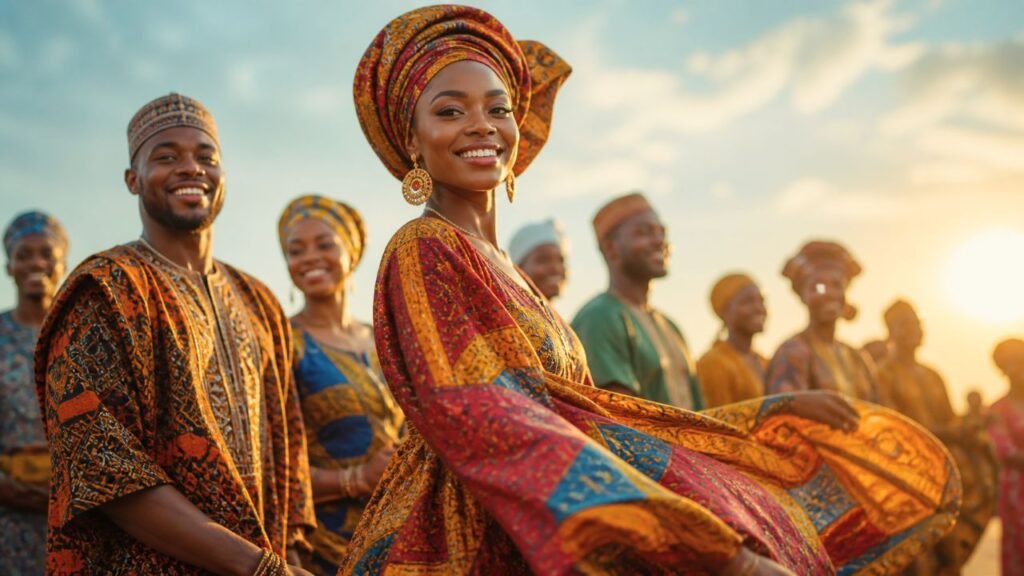
Celebrating culture in golden light
In summary, Culture is the heartbeat of humanity. It tells us who we are, where we come from, how we live, what we value, and how we connect with others.
From language to food, from music to clothing, from beliefs to traditions, culture gives every society its beauty and uniqueness.
Best Culture Insight celebrates this diversity by helping people explore cultures, countries, traditions, and human stories from every part of the world.
At Best Culture Insights, we believe every culture tells a story worth sharing…