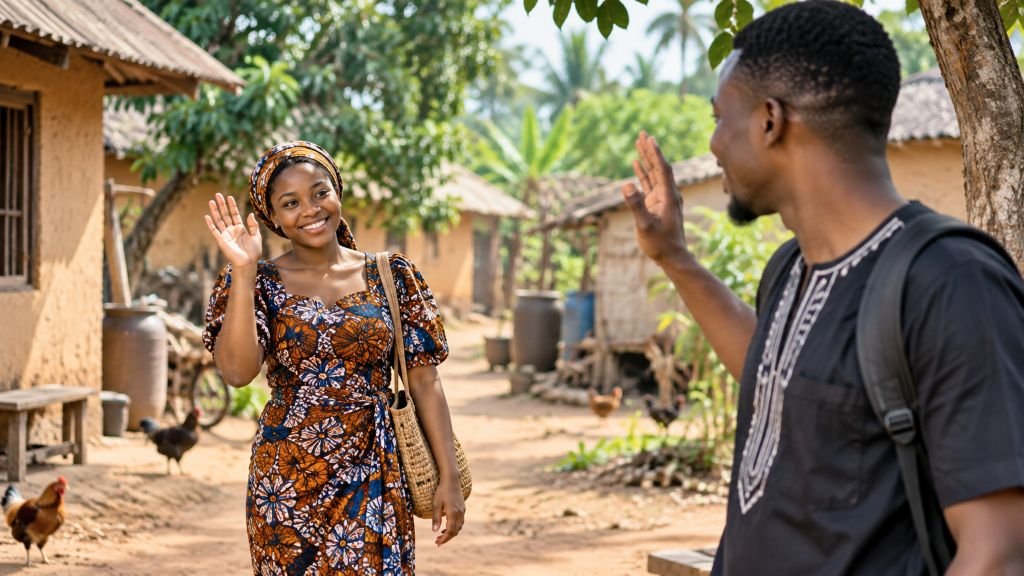

How To Say “Hello” in Ibibio? Greetings are the cornerstone of human connection. In African cultures, a greeting is rarely a brief, transactional exchange; it is a warm inquiry into one’s health, peace, and household. Among the Ibibio people—the indigenous

How to Say “Thank You” in Ibibio Language is more than a tool for communication; it is a repository of history, social values, and shared humanity. Among the Indigenous languages of West Africa, Ibibio—spoken predominantly by millions in Akwa Ibom
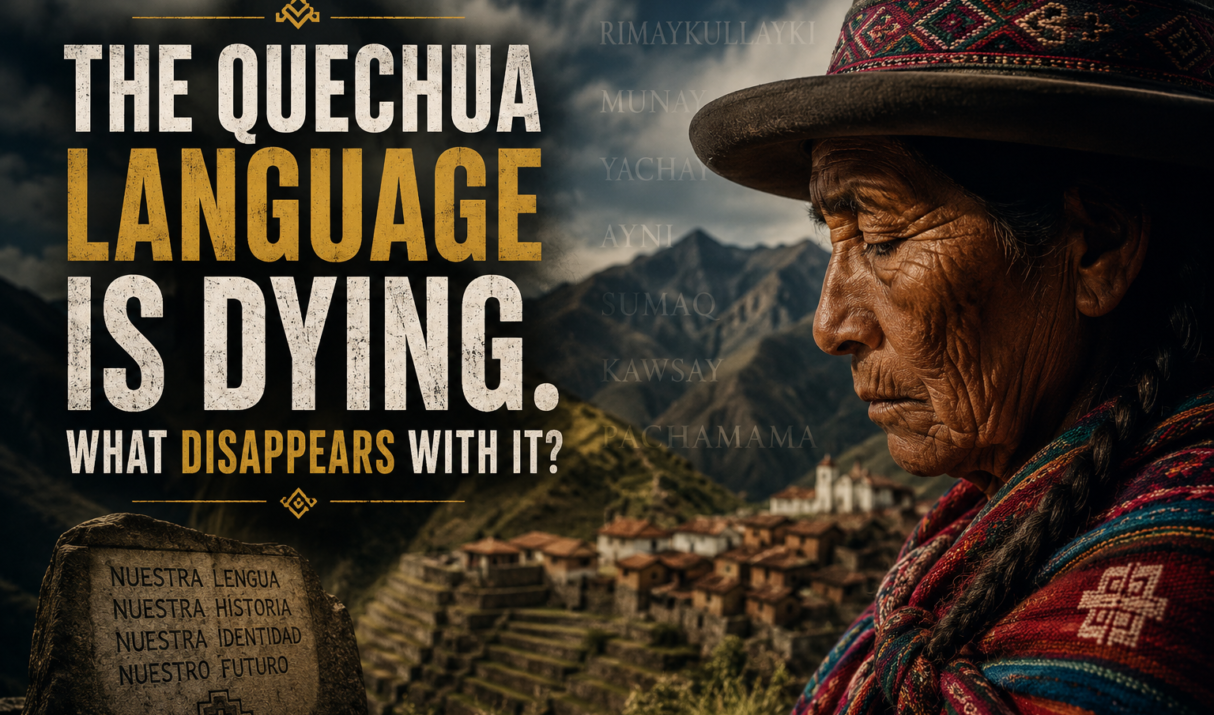

Language is far more than a mechanism for communication; it is a living archive of human thought, philosophy, and environmental adaptation. Quechua, the ancient tongue spoken by the Inca Empire and millions of Indigenous people across the South American Andes
In pre-colonial southeastern Nigeria, the fabric of traditional Igbo society was woven together by a profound, unyielding commitment to respect. Unlike systems built on central kingships, the Igbo operated a highly democratic, decentralized system of governance often described as Ohacracy
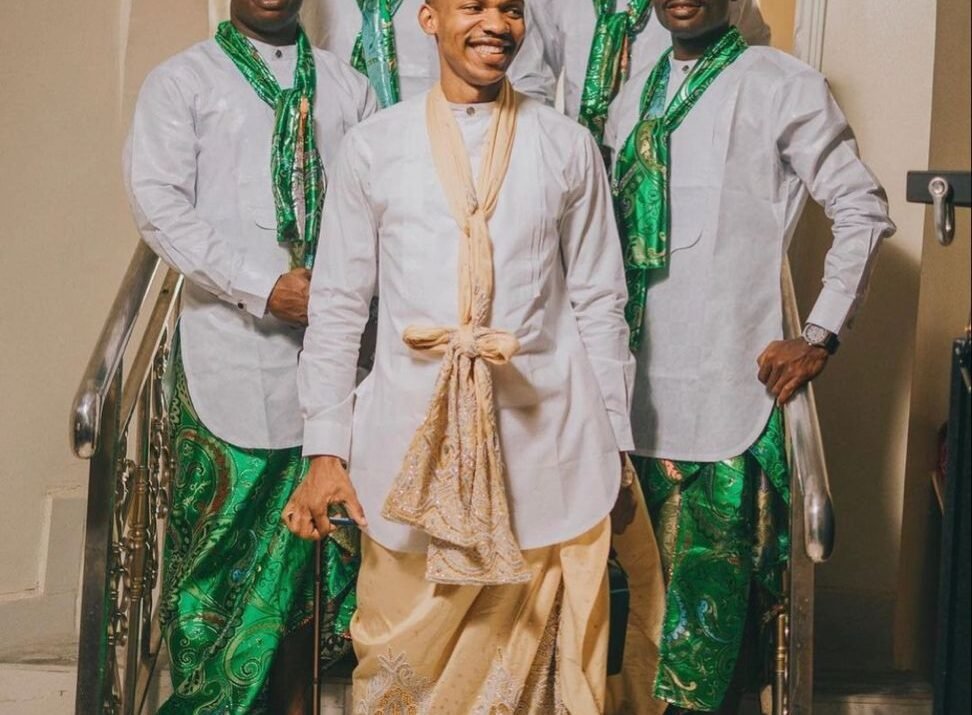
Akwa Ibom Groom Styles The traditional Akwa Ibom wedding is a masterclass in cultural luxury, and today’s grooms are stepping up their style game like never before. For decades, the classic white long-sleeve shirt paired with a vibrant wrapper (Ushwang)
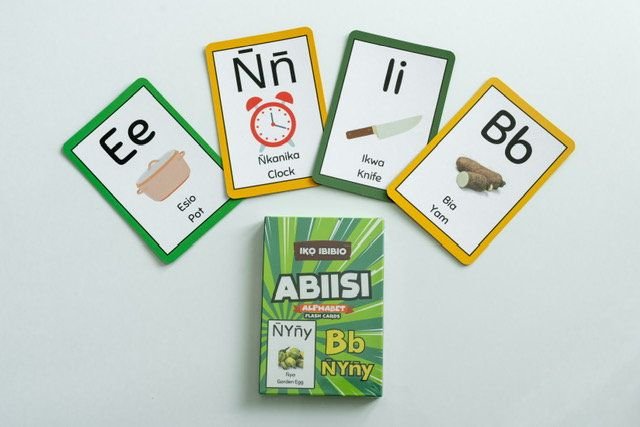
Akwa Ibom State, nestled in Nigeria’s rich Niger Delta region, is a land of vibrant culture, deep-rooted traditions, and remarkable linguistic diversity. While the state is often viewed as a homogenous linguistic entity under the broader IbiBio-Efik language cluster, it