
In the heart of North Africa, a rich culinary landscape flourishes, built not on cookbooks or measuring cups, but on whispers, shared moments, and a profound oral tradition. In Libya, recipes are rarely written; they are inherited treasures, passed down through generations by the matriarchs of the family. The undisputed crown jewel of this culinary heritage is Sharba Libya, a comforting, aromatic lamb and tomato soup that is more than just a dish; it is the flavor profile of the nation. For Libyans, this soup is a daily staple, a celebratory must-have, and a symbol of home.
The Heart of Libyan Cuisine
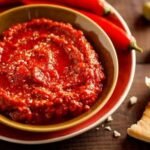
To understand Sharba Libya is to understand the soul of Libyan hospitality. The soup is characterized by its deep, reddish-brown color, a robust thickness, and a complex harmony of spices. It begins with tender cubes of lamb—or sometimes chicken—seared in olive oil. Then comes the essential aromatic foundation: onions, tomato paste, and a proprietary blend of spice mixes. As it simmers, the ingredients meld together, creating a savory depth that clings to the palate. It is the culinary baseline against which all other comforts are measured.
Learning with the Senses, Not by the Book
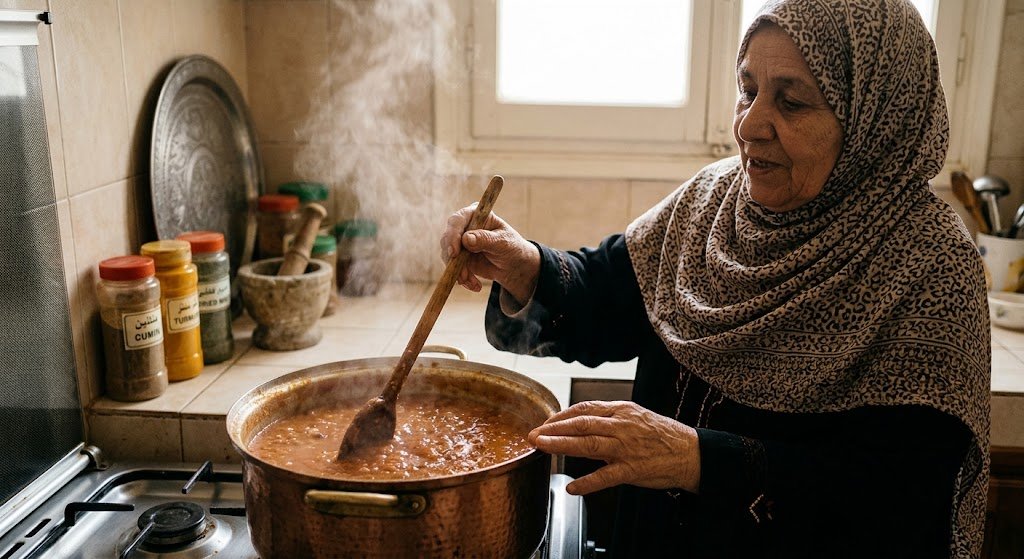
Unlike Western cooking, which emphasizes precise measurements, Libyan cooking relies entirely on sensory cues and intuition. A Libyan mother does not tell her daughter to add exactly two teaspoons of cumin; she instructs her to add “enough until you can smell the warmth.” The oral tradition thrives on observation. Young cooks learn by watching the texture of the onions as they soften, feeling the weight of the ladle as the soup thickens, and, crucially, by developing a refined taste that knows when the spices have achieved their correct balance. This method ensures that the food remains a living expression of the cook, not just a standardized formula.
Sharba Libya as a Living Ancestral Voice
Every time Sharba Libya is made, the oral history of the family is activated. The subtle variations in the recipe—a pinch more coriander here, a different type of dried mint there—become identifiers of specific maternal lines. A bowl of soup isn’t just a meal; it’s a conversation with grandmothers and great-grandmothers who perfected their technique without ever needing to read a single word of a recipe. This generational knowledge provides a sense of continuity and profound identity that mass-produced, written recipes cannot replicate.
The Sacred Simplicity of Essential Ingredients
While complex in flavor, Sharba Libya’s ingredient list remains remarkably accessible and grounded. This accessibility was crucial in an oral culture, ensuring that everyone could procure the necessary elements without relying on specialized shops. The staples—chickpeas (or white beans), the ubiquitous spices, tomatoes, and parsley—were all available, making the preservation of the recipe easier. This simplicity allows the intuitive skill of the cook, passed down by voice and hand, to take center stage, elevating basic sustenance into an art form.
The Resilience of Oral Traditions in a Digital Age
In today’s hyper-connected world, where digital recipes are just a click away, the oral tradition of Libyan cooking faces modern challenges. Yet, Sharba Libya remains stubbornly resilient. While some young Libyans may search for recipes online, the authentic, family-approved flavor can only be verified by the lived experience of watching a relative cook. The emotional connection embedded in the spoken word and the physical gesture ensures that the ritualistic knowledge of the how and why persists, keeping the core identity of the cuisine intact.
Preservation of a Vibrant Heritage
The oral tradition of Libyan cooking, epitomized by the making of Sharba Libya, is a vital component of intangible cultural heritage. It represents a history built on communal teaching, shared joy, and the fundamental importance of family bonds. By valuing these spoken lessons, we are not just preserving a soup; we are honoring the voices, the skills, and the love that have sustained the Libyan people for centuries. It proves that some of the most profound knowledge isn’t learned in a classroom, but over a bubbling pot in a mother’s warm kitchen.