

In pre-colonial southeastern Nigeria, the fabric of traditional Igbo society was woven together by a profound, unyielding commitment to respect. Unlike systems built on central kingships, the Igbo operated a highly democratic, decentralized system of governance often described as Ohacracy
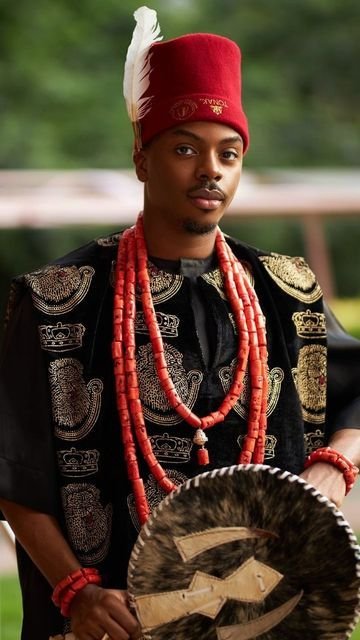
The Igbo people of southeastern Nigeria possess a cultural heritage that has resiliently weathered centuries of modernization, colonialism, and globalization. Far from being mere relics of the past, many ancient Igbo customs remain deeply integrated into the fabric of contemporary
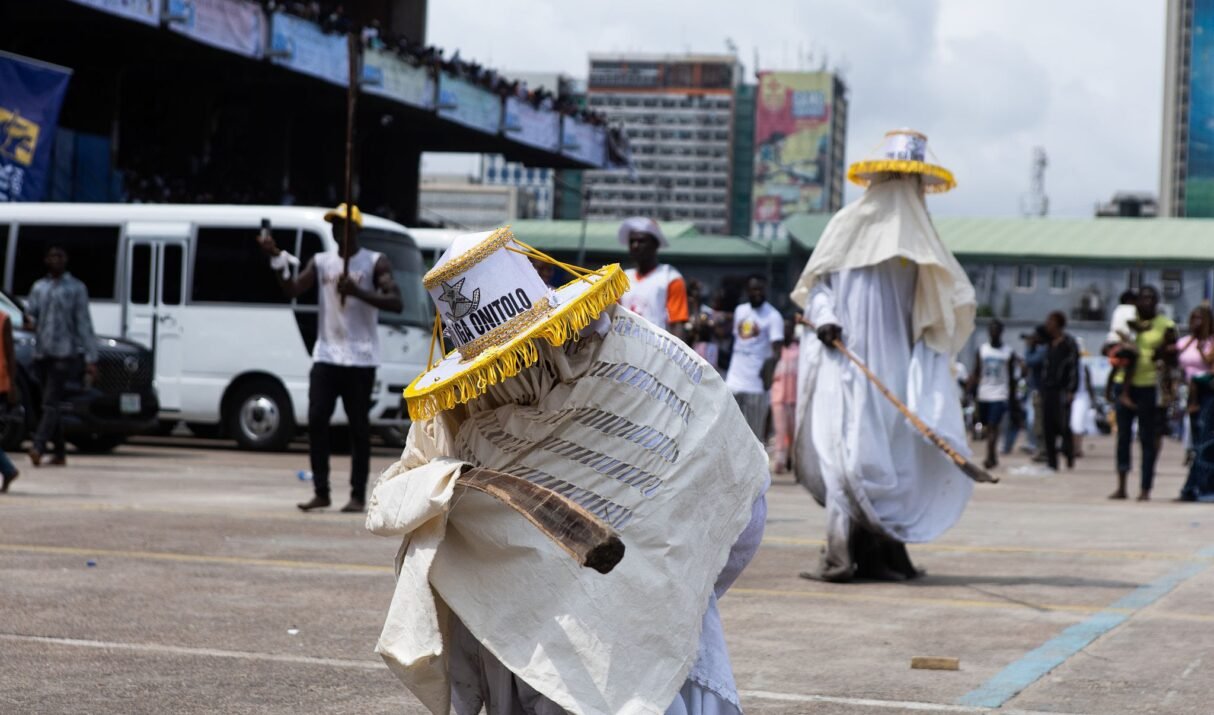
Beyond its famous reputation as Africa’s bustling financial hub and entertainment capital, Lagos State holds a deeply rooted cultural identity. Long before skyscrapers redefined its skyline, the original settlers—primarily the Awori and Egbas of the Yoruba ethnic group, alongside the
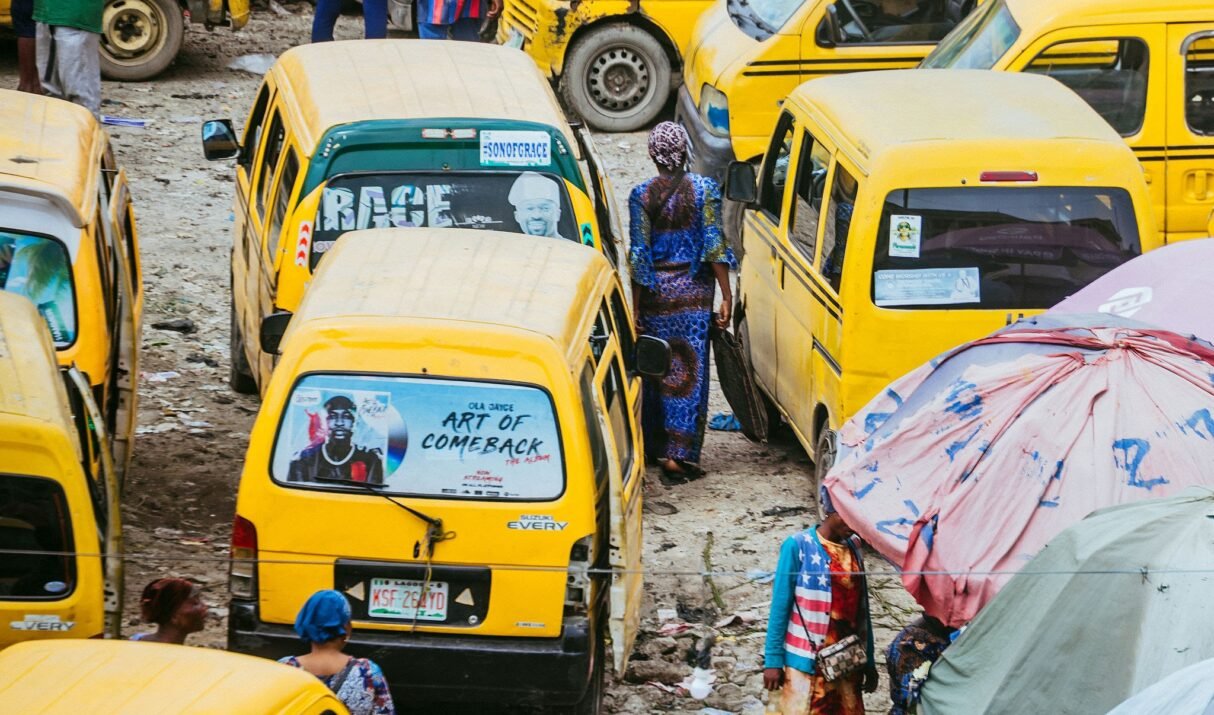
Lagos, Nigeria’s economic hub and cultural powerhouse, is a city defined by an unstoppable kinetic energy that fuels its unique street culture. From the chaotic rhythm of the iconic yellow Danfo buses to the vibrant murals decorating urban concrete, the
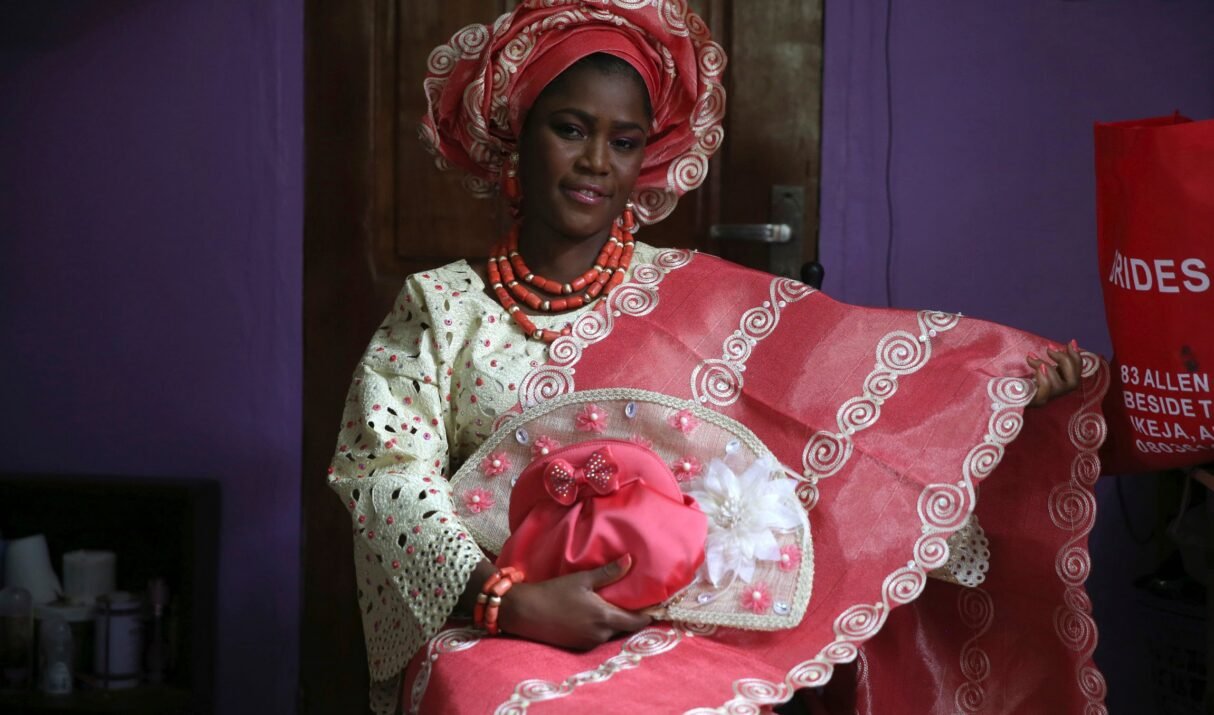
The Nigerian Owambe is much more than a party; it is a grand cultural exhibition where fashion takes center stage. Stemming from the Yoruba phrase meaning “it is there,” Owambes are lavish weekend celebrations—ranging from weddings to milestone birthdays—where guests
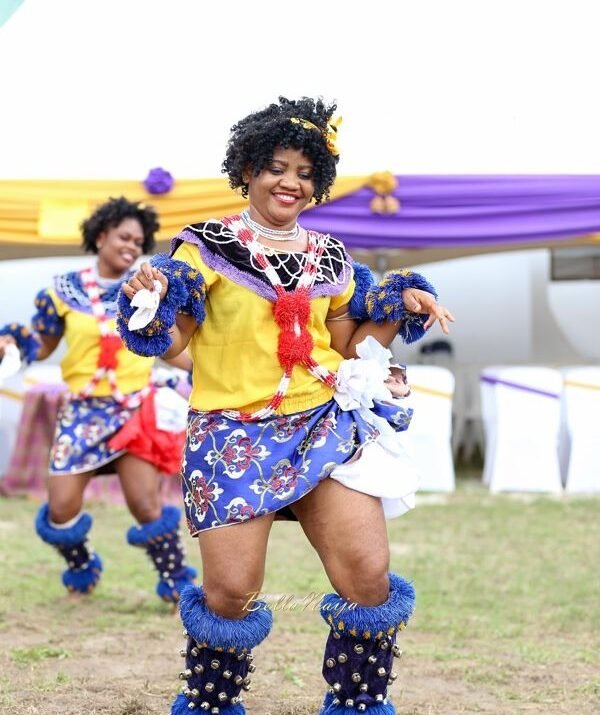
When it comes to traditional weddings in Akwa Ibom State, the bride is indisputably the centerpiece of cultural elegance. Both gowns are designed to make a statement of royalty, grace, and heritage. However, each carries a distinct silhouette and energy.