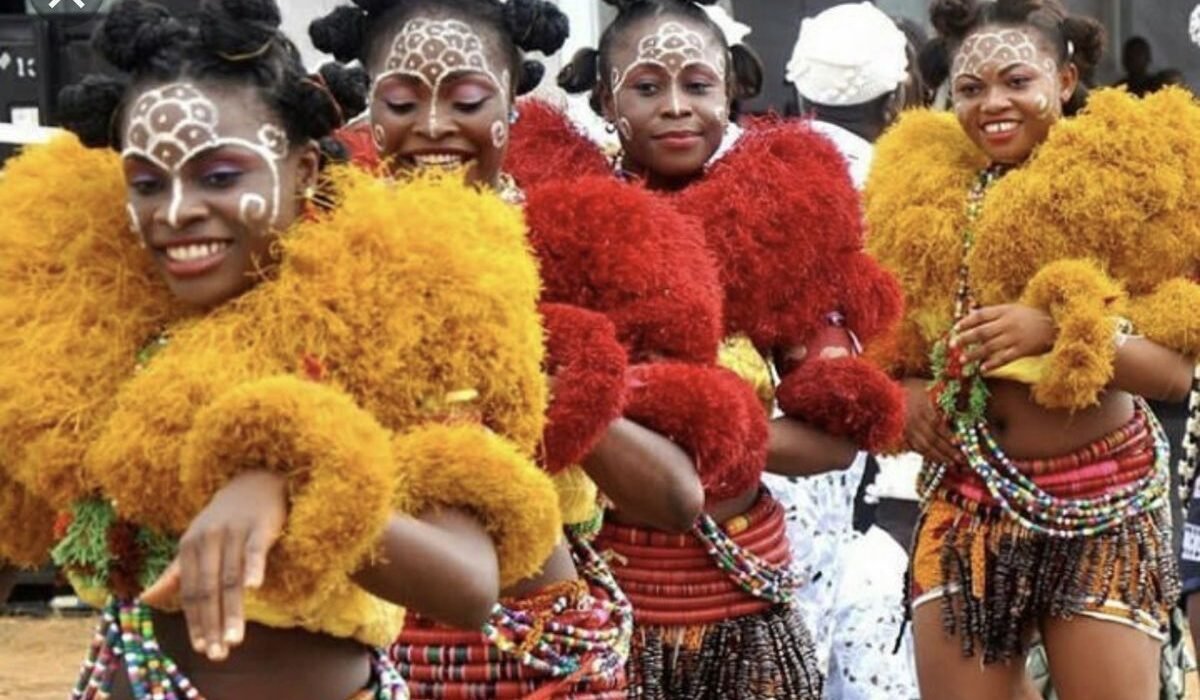

The Ibibio people of southern Nigeria, primarily inhabiting modern-day Akwa Ibom and Cross River states, hold the distinction of being one of the most ancient ethnic groups in the country. Renowned for their rich artistic expressions, powerful traditional societies, and deep agricultural heritage, their cultural footprint is undeniable. However, for many observers and history enthusiasts, a fascinating question remains: how exactly did the Ibibio people get their name? The answer lies at the intersection of linguistic etymology, behavioral traits, and early European trade interactions.
The Linguistic Root: “Ibio-Ibio” and the Trait of Brevity
The most widely accepted historical and linguistic theory traces the name back to the native Ibibio phrase “ibio-ibio”, which translates literally to “short” or “brief.” Contrary to common misconceptions, this name was not an physical observation of the people’s height. Instead, historians state that neighboring groups and ancestors used the term to describe the concise, swift, and highly efficient manner in which the Ibibio people conducted their daily affairs, social rituals, and community discussions. Over time, this description of a communal behavioral trait evolved from a simple adjective into the official identity of the entire ethnic group.
The Colonial Metamorphosis: From “Moko” to Ibibio
Before the name “Ibibio” achieved widespread global currency, early European records from the transatlantic slave trade era used entirely different labels. In the 17th century, Spanish and Portuguese documentation referred to individuals from this region as Moko (or Moco). Historians suggest this was a European corruption of the Ibibio word omokop (meaning “have you heard?”) or mboko (sugar cane), frequently spoken by captured individuals. By the 18th and 19th centuries, as European explorers and missionaries established deeper trading ties along the Cross River, neighboring groups like the Aro Igbo and Efik popularized the localized terms Ibibi and Ibibio, which British colonial administrators eventually standardized.
A Language of Ancient Bantu Origins
To truly understand the weight of the name, one must look at its linguistic framework. The Ibibio language belongs to the Benue-Congo subfamily of the Niger-Congo language family and is recognized by linguists as an ancient mother tongue of the proto-Bantu nation. Because the language itself is as old as the ethnic group, the name “Ibibio” serves as both an ethnic and linguistic descriptor. It binds together a massive cluster of closely related subgroups—including the Annang, Eket, Oron, and Ibeno—who share mutually intelligible dialects and unified ancestral roots.
A Lasting Legacy of Identity
Today, the name Ibibio represents the fourth-largest ethnic group in Nigeria, standing as a proud symbol of cultural resilience and historical depth. From their early migratory routes out of the central Benue valley and southwestern Cameroon to their settlement in the Akwa Ibom mainland, the name has endured centuries of geopolitical shifts. Rather than being a label imposed from the outside, “Ibibio” remains a deeply authentic, self-derived identity that celebrates a heritage of doing things with precision, clarity, and purpose.