Ibibio divination abia idiong practice That You Did Not Know
Posted in :

The Ibibio people of Nigeria possess a deeply spiritual worldview where the physical and spiritual realms are constantly in dialogue. At the center of this cultural heritage is the Abia Idiong, a highly revered traditional diviner and priest. The term Abia Idiong refers to a practitioner who has been initiated into the Idiong society—an elite group of seers believed to possess the “third eye.” In traditional Ibibio society, these individuals are more than just fortune tellers; they are spiritual consultants, healers, and mediators who help the community navigate the complexities of life by seeking divine wisdom.
The Role and Calling of the Abia Idiong
Becoming an Abia Idiong is rarely a personal choice; it is widely viewed as a spiritual calling. Many practitioners report experiencing a period of “divine madness” or intense dreams before being initiated. Once called, the individual must undergo rigorous training and expensive initiation rites to join the Idiong society. The primary role of the Abia Idiong is to provide clarity on mysterious occurrences, such as persistent illnesses, family disputes, or community misfortunes. By tapping into the spiritual frequency of the ancestors and the supreme deity (Abasi Ibom), they offer solutions that restore balance to the individual and the community.
Ritual Tools and the Divination Process
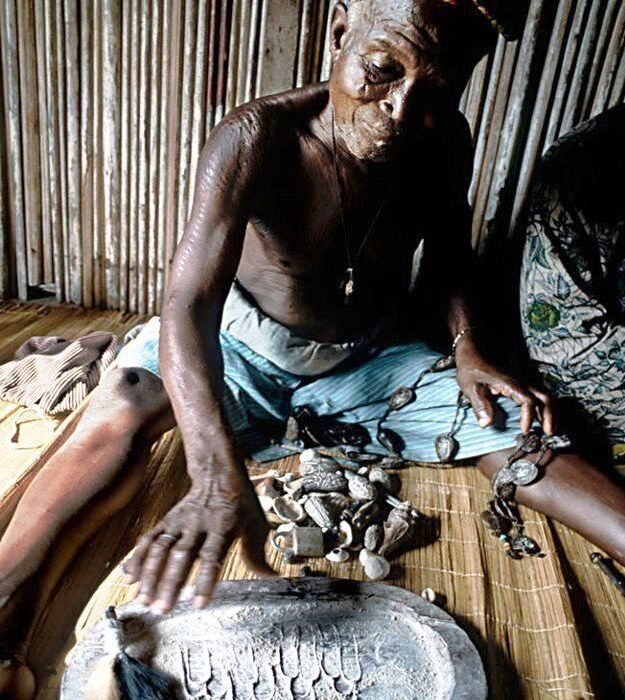
The practice of divination, known as Abre Idiong, involves the use of specialized sacred tools that act as conduits for spiritual communication. A typical Abia Idiong may use a tortoise shell, cowries, or a set of carved wooden objects known as Opon Idiong. During a session, the diviner often chants, rings a bell, or enters a light trance to invite spiritual guidance. By observing how the ritual objects fall or “speak,” the Abia Idiong interprets the messages to reveal the root cause of a problem. This process is deeply rooted in symbolic logic, where every position and pattern of the tools holds a specific meaning for the seeker.
The Idiong Society: Structure and Ethics
The Idiong society is one of the most powerful and respected traditional institutions in Akwa Ibom. It is structured into various ranks, with the highest members serving as advisors to village heads and kings. Members are distinguished by their unique regalia, particularly the Oko-oro—a sacred woven headring that symbolizes their authority and connection to the divine. The society operates under a strict code of ethics, as the Abia Idiong is expected to be a guardian of truth. Their word is often final in traditional legal matters or spiritual investigations, making them essential figures in maintaining social order.
Preservation of Ibibio Spiritual Heritage
While modern religions and urbanization have influenced the frequency of these practices, the Abia Idiong remains a vital symbol of Ibibio identity. In many rural areas, people still consult these traditional seers as a first or last resort when faced with unexplainable challenges. The practice represents a sophisticated indigenous knowledge system that combines psychology, herbal medicine, and spiritual philosophy. By understanding the Abia Idiong practice, we gain insight into a resilient cultural tradition that has survived for centuries, continuing to provide a sense of belonging and spiritual security to the Ibibio people.