From Apartheid to Democracy: How South Africa’s History Still Shapes Everyday Life
Posted in :

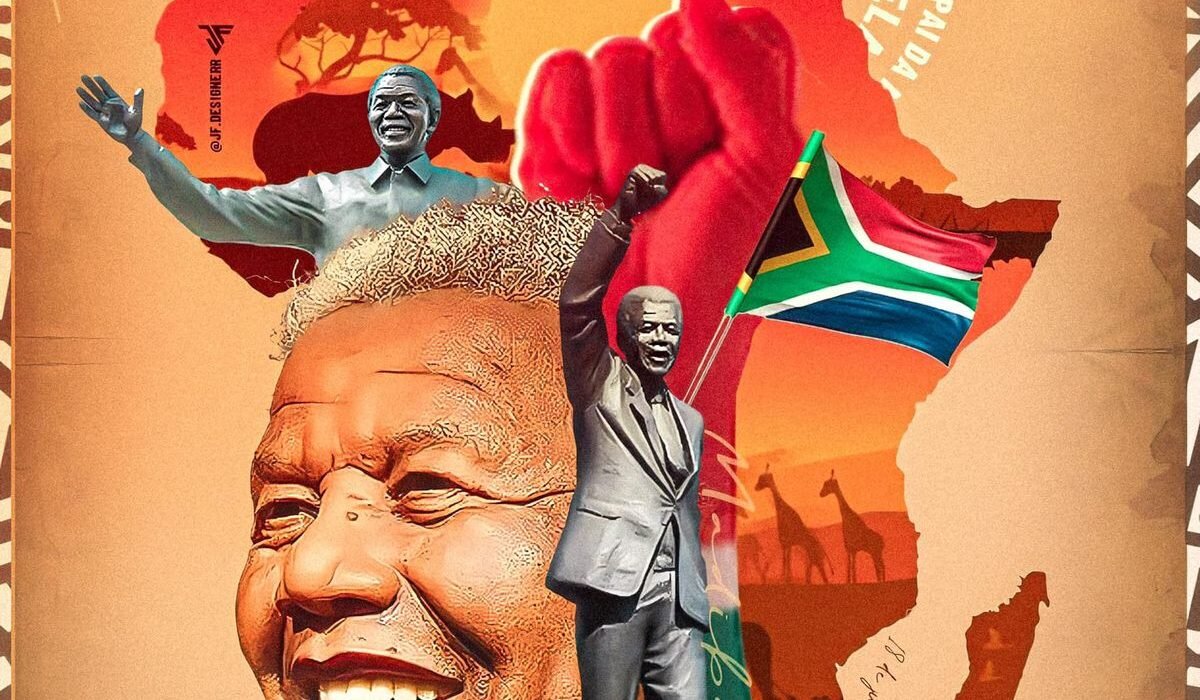
South Africa’s transition from the oppressive system of apartheid to a vibrant democracy in 1994 stands as one of the most remarkable political milestones of the 20th century. Spearheaded by iconic leaders like Nelson Mandela, the birth of the “Rainbow Nation” promised equal rights, freedom, and a shared future for all citizens regardless of race. However, while the legal framework of segregation was dismantled over three decades ago, the shadows of the past continue to cast a long profile over the nation. Today, the intersection of history and modern reality creates a unique social fabric where progress and persistent historical challenges exist side by side.
1. The Living Legacy of Spatial Apartheid
One of the most visible ways history shapes modern South African life is through the physical layout of its cities and towns. Under apartheid-era laws like the Group Areas Act, communities were strictly segregated by race, forcing black, colored, and Asian populations into under-resourced townships far from economic hubs. Decades later, this spatial engineering remains largely intact. Everyday life for millions involves long, expensive commutes from outer townships to city centers for work, meaning that geographical location still acts as a significant barrier to economic mobility and social integration.
2. Economic Disparity and the Job Market
While political freedom was achieved in 1994, economic equity remains a work in progress. South Africa continues to struggle with high rates of structural unemployment and income inequality, which closely mirror old racial lines. Access to generational wealth, capital, and top-tier employment opportunities still reflects historical advantages. For the younger generation—born after the dawn of democracy—navigating a highly competitive job market often requires overcoming systemic hurdles, making economic empowerment the defining civil rights issue of the modern era.
3. Education and the Digital Divide
The classroom remains another critical arena where past policies influence present realities. The legacy of “Bantu Education,” which intentionally underfunded schools for non-white citizens, created a deep-seated disparity in educational infrastructure that the country is still working to rectify. Today, everyday school life varies drastically between well-funded urban private and model-C schools and under-resourced rural or township schools. This gap has broadened into a modern digital divide, where access to high-speed internet and computers dictates a student’s future success in an increasingly tech-driven world.
4. Cultural Resilience and the Path Forward
Despite these heavy historical burdens, the spirit of democracy has fostered a profound cultural awakening and resilience across the nation. Everyday life in South Africa is defined by a rich celebration of diversity, boasting eleven official languages, a thriving arts scene, and a strong collective commitment to constitutional rights. Citizens actively use their democratic voices through a free press, civic activism, and community organizing to demand accountability and change. By openly confronting its past rather than burying it, South Africa continues to forge a resilient identity, proving that the journey toward true equality is a daily, collective effort.