

In the traditional worldview of the Ibibio people of southern Nigeria, the boundary between the physical world and the spiritual realm is incredibly thin. Central to this belief system is a profound reverence for ancestral spirits, who are viewed not
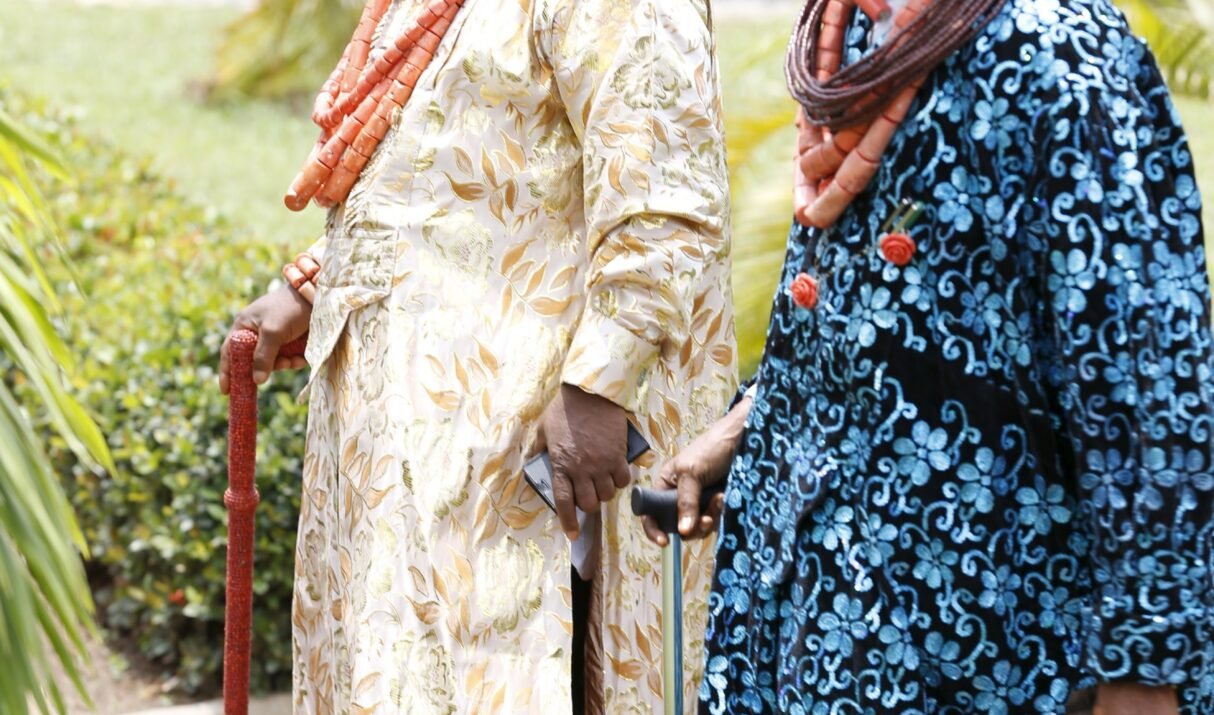
The Ibibio and Efik peoples of Nigeria’s South-South region share a profound historical bond, often grouped together due to their geographic proximity and beautifully intertwined languages. To an outsider, their shared love for rich seafood delicacies, identical naming conventions, and
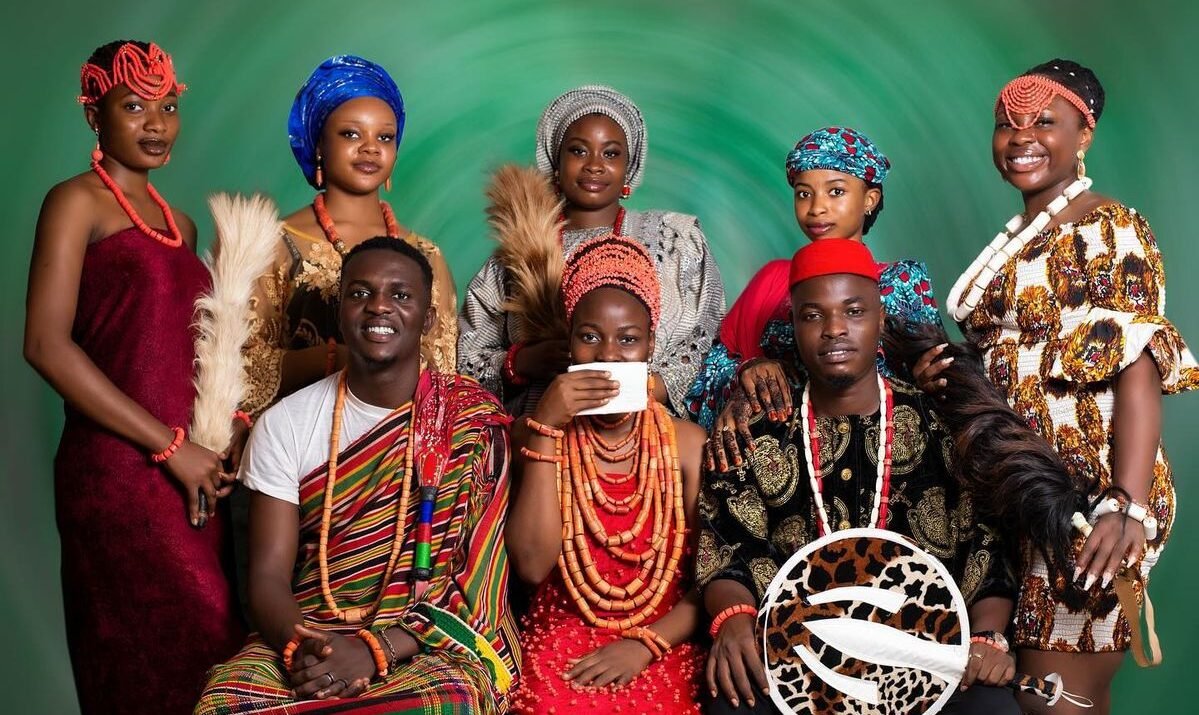
Nigeria is globally celebrated as a magnificent tapestry of over 250 ethnic nationalities, each boasting unique customs, languages, and historical legacies. When exploring the foundational roots of this diverse nation, historians, linguists, and archaeologists frequently point to one group as
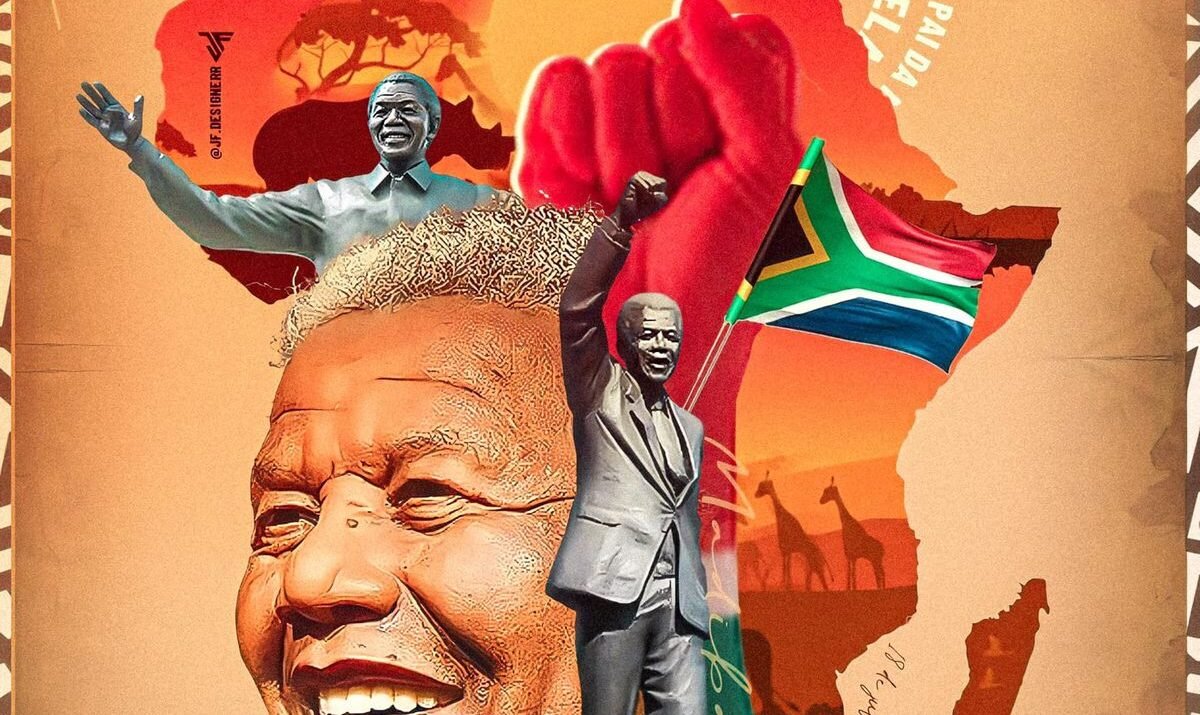
South Africa’s transition from the oppressive system of apartheid to a vibrant democracy in 1994 stands as one of the most remarkable political milestones of the 20th century. Spearheaded by iconic leaders like Nelson Mandela, the birth of the “Rainbow
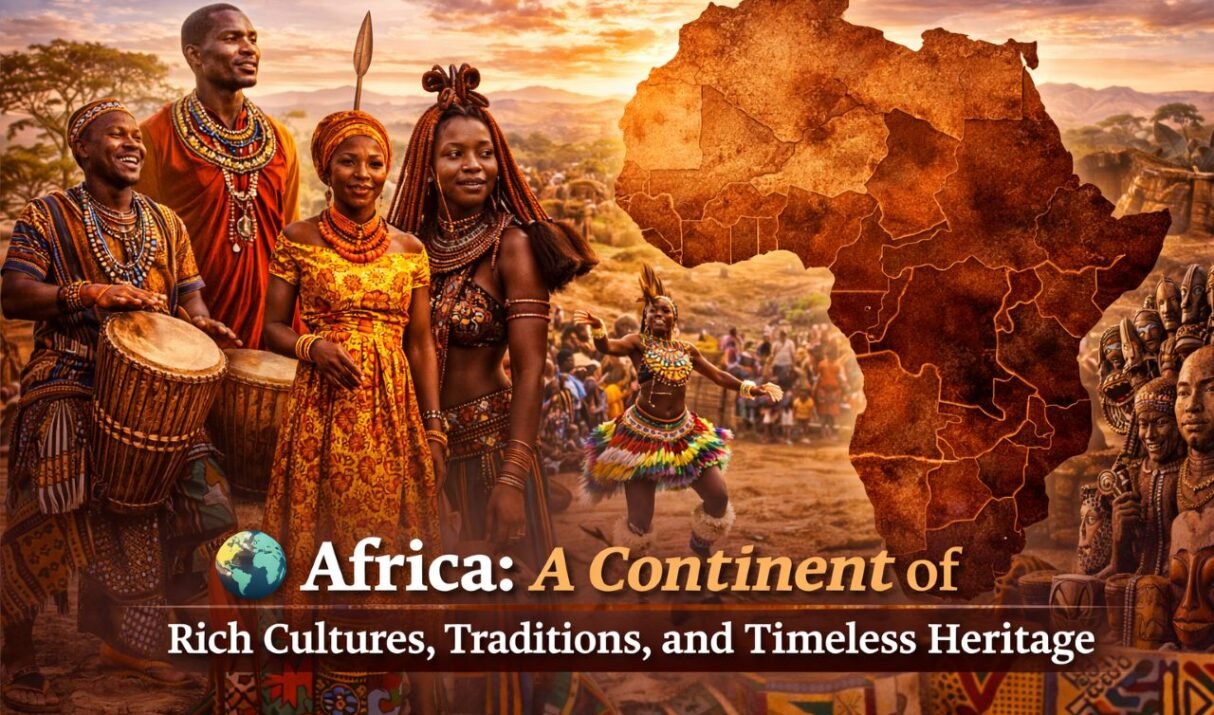

Africa is the second-largest and second-most populous continent in the world, home to over 1.4 billion people and more than 3,000 ethnic groups. It is widely recognized as the cradle of humanity, where the earliest human ancestors originated.
The continent is a vibrant tapestry of diverse cultures, languages, traditions, and belief systems. From the deserts of the Sahara to the lush rainforests of Central Africa and the savannas of East Africa, Africa offers a unique blend of ancient heritage and modern evolution.