The Untold Story of South Africa’s Cultural Diversity and How It Shapes Modern Identity
Posted in :

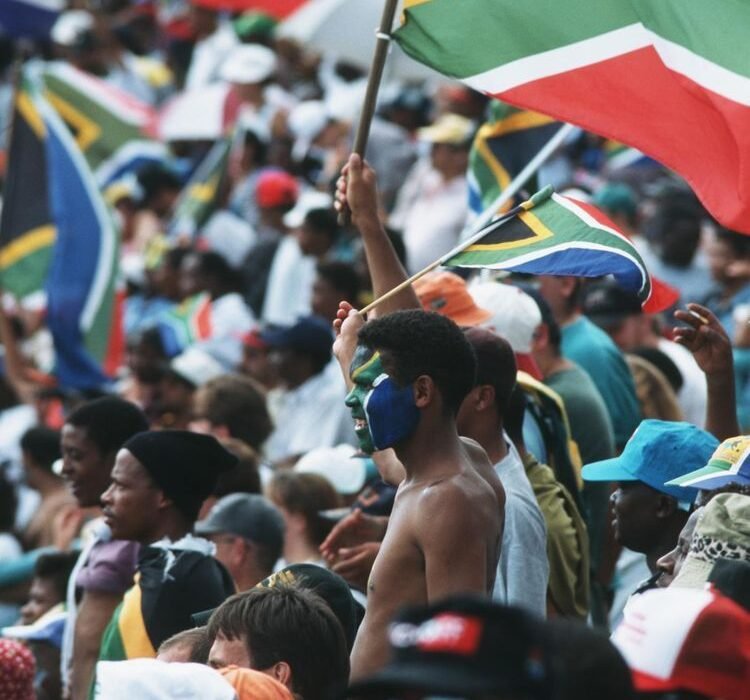
South Africa is famously known as the “Rainbow Nation,” a term that highlights its incredible mix of cultures, languages, and traditions. Beyond the well-known tourist attractions and historical landmarks lies a deeper, untold story of how this intense diversity actually functions as the heartbeat of daily life. With twelve official languages—including Zulu, Xhosa, Afrikaans, and English—the country is a living canvas where indigenous African heritages, European influences, and Asian roots constantly interact. This blend does not just exist as a static history; it actively evolves every day to redefine what it means to be South African in the 21st century.
The Power of Everyday Fusion
In urban centers like Johannesburg and Cape Town, different backgrounds do not just live side by side—they fuse to create entirely new cultural phenomena. This is most obvious in “Kasi” (township) culture, where street slang known as Tsotsitaal combines words from various languages into a shared urban dialect. Food tells a similar story of unity; the classic South African braai (barbecue) brings people of all races together over an open fire, while Cape Malay curries and Durban’s famous “bunny chow” (curry served in a hollowed-out loaf of bread) showcase how immigrant histories have permanently shaped the national menu.
Music, Dance, and Global Influence
The creative expression of South Africa’s diverse population has also taken the global stage by storm, turning localized sounds into worldwide movements. Genres like Amapiano and Gqom feature heavy basslines and rhythms born directly out of the fusion of traditional Zulu and Sotho beats with modern electronic music. These sounds, accompanied by energetic, storytelling dance steps, have become a primary tool for young South Africans to project their unique cultural identity internationally. This creative boom proves that the nation’s heritage is not trapped in the past, but is a fluid, energetic force driving global pop culture.
Redefining Modern Corporate and Social Spaces
In professional and formal settings, South Africa’s diversity has shifted from a historical challenge into a major strategic advantage. Modern workplaces increasingly value Ubuntu—the traditional African philosophy that translates to “I am because we are”—which encourages empathy, community, and collaborative leadership over strict individual competition. Furthermore, major holidays like Heritage Day encourage citizens to wear their traditional attire to offices and schools, transforming regular spaces into vibrant displays of pride. This practice helps break down old barriers and fosters a more inclusive corporate environment.
The Evolving Rainbow Nation
Ultimately, the modern identity of South Africa is not defined by a single culture, but by the conscious decision of its people to build a shared future out of many distinct pasts. While the country continues to navigate the economic and social complexities left behind by its history, its cultural wealth provides a constant source of resilience and innovation. By celebrating individual roots while embracing a collective national pride, South Africans are showing the world that true unity does not require giving up your heritage—it simply requires weaving it into a larger, more beautiful tapestry.