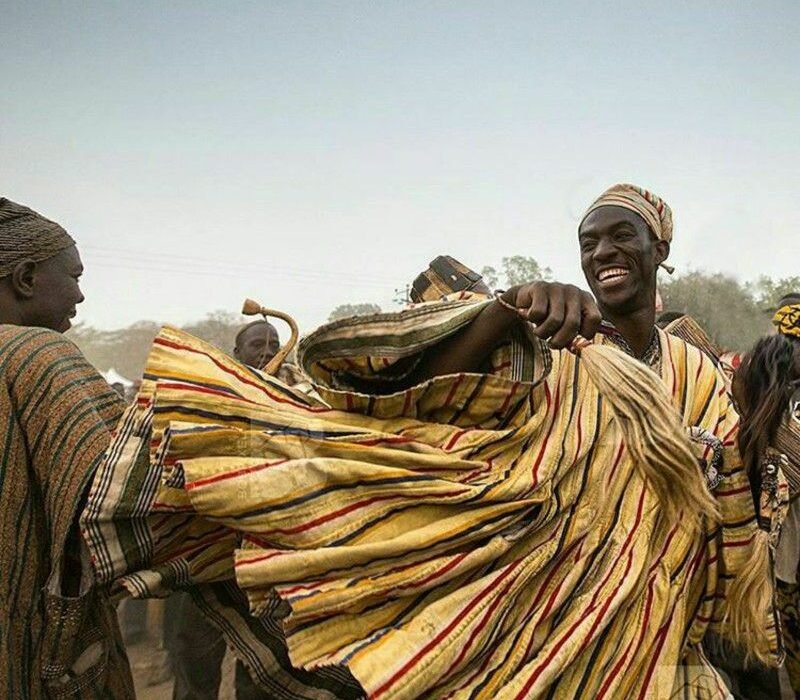
Elegance of Heritage: The Epic Art of Yoruba Dressing
Posted in :

The Yoruba people of West Africa possess one of the most recognizable and sophisticated fashion traditions in the world. For the Yoruba, clothing is far more than a basic necessity; it is a profound language of identity, status, and philosophy. Known for its voluminous silhouettes and intricate hand-woven textiles, Yoruba attire reflects a culture that values dignity, prestige, and aesthetic harmony. This Yoruba dressing culture has not only survived the passage of time but has evolved into a global symbol of African luxury and creative excellence.
The Foundation of Prestige: Aso-Oke and Textile Artistry – The Yoruba Dressing
At the heart of Yoruba fashion lies Aso-Oke, a prestigious hand-woven cloth produced on traditional looms. This fabric comes in three primary varieties: the deep indigo Sanyan, the crimson Alaari, and the charcoal-grey Etu. These textiles are often reserved for “Aso-Ebi”—a practice where family and friends wear uniform colors and fabrics during social events.
The Architectural Silhouette of Men’s Attire – Yoruba Dressing
Yoruba men’s traditional wear is defined by its architectural grandeur, most notably the Agbada. This is a large, overflowing robe worn over a long-sleeved shirt (Buba) and tailored trousers (Sokoto). The Agbada is often heavily embroidered around the neckline and chest, serving as a visual indicator of the wearer’s importance and wealth. Completing the ensemble is the Fila, a soft cap that can be styled in various directions; the way a man tilts his Fila can subtly communicate his marital status or personal mood.
Grace and Symbolism in Women’s Fashion
For Yoruba women, the ensemble is a masterclass in layering and poise. The standard attire consists of the Buba (blouse) and the Iro (a large wrap-around skirt). However, the crowning glory of the outfit is the Gele, a meticulously folded head-tie that requires artistic skill to arrange. Accompanied by the Ipele, a decorative shawl draped over the shoulder or tied around the waist, the outfit emphasizes a silhouette of grace. The Gele, in particular, acts as a frame for the face, signaling celebration and feminine power.
A Modern Legacy of Cultural Diplomacy
Today, Yoruba dressing culture transcends the borders of Nigeria, influencing high-fashion runways in Paris, New York, and London. By blending traditional motifs with contemporary cuts, younger designers are ensuring that the “Lagos style” remains at the forefront of global trends. Whether it is the vibrant use of Adire (tie-dye fabric) or the structural boldness of the Agbada, Yoruba fashion remains a testament to a people who view dressing as a sacred art form, ensuring their cultural footprint remains indelible and universally respected.