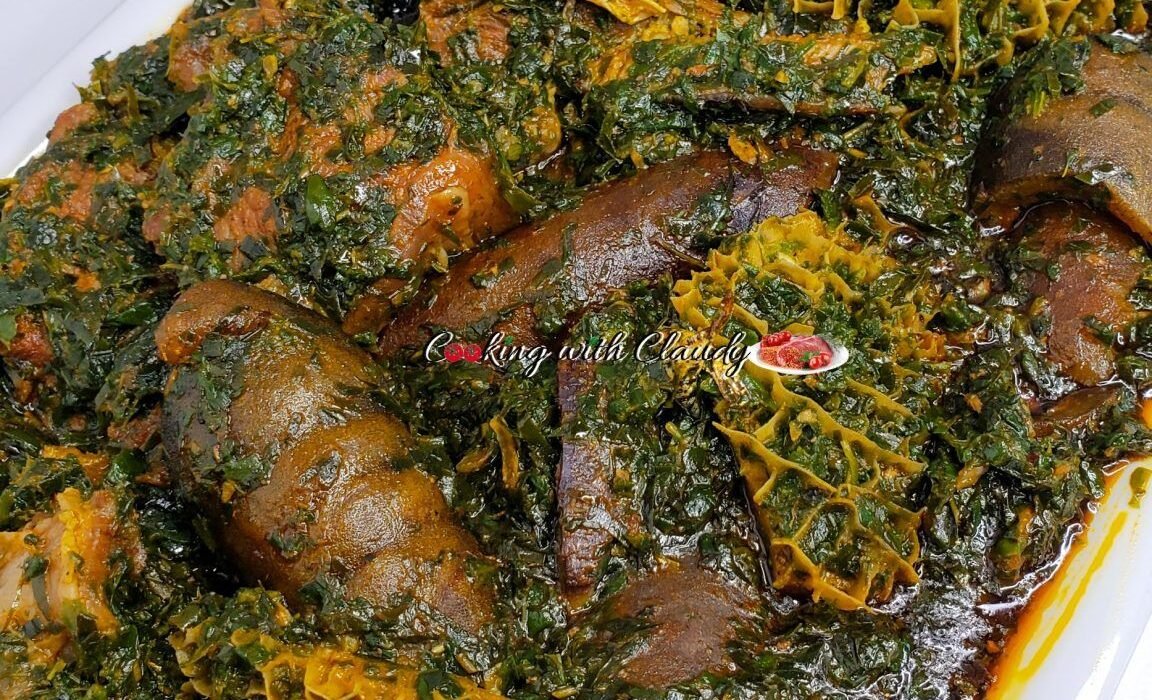

Afang soup is a crowning jewel of Efik and Ibibio culinary heritage, celebrated across Nigeria for its rich, earthy flavor and deeply satisfying texture. Crafted from a nutritious combination of shredded Afang (wild spinach/okazi) leaves and waterleaves, this premium soup is a staple at celebrations and upscale traditional gatherings. However, because its preparation relies on a delicate balance of moisture, oils, and distinct textures, even experienced chefs can sometimes miss the mark. To elevate your cooking from standard to truly exceptional, mastering the traditional technique while avoiding common pitfalls is essential.
The Moisture Trap: Managing the Waterleaf Base In Afang Soup
One of the most frequent missteps in preparing Afang soup is ending up with a watery consistency. Waterleaf naturally releases an abundance of liquid when exposed to heat. A professional approach requires cooking down your seasoned meats, stockfish, and seafood until the meat stock is highly concentrated and minimal. When you add the waterleaf, it should steam rapidly over high heat without drowning in excess water. Allowing the waterleaf to wilt and reduce completely before adding any other ingredients ensures the base of your soup remains rich and perfectly bound, rather than thin and separated.
The Art of the Leaves: Slicing and Pounding Afang Soup
The defining characteristic of an authentic Afang soup is the unique texture of the Afang leaves themselves. A critical error is failing to blend or pound the okazi leaves finely enough, which results in a tough, unappealing chew. Traditionally, the leaves are sliced incredibly thin and then thoroughly bruised or pounded in a mortar or pulsed precisely in a dry blender before entering the pot. Furthermore, Afang leaves should always be the absolute final ingredient added to the heat. Overcooking them destroys their vibrant green color and robs the soup of its fresh, signature aroma; a mere two to three minutes on low heat after adding the leaves is all it takes.
Palm Oil and Seafood: The Flavor Anchors
Authentic Afang soup derives its luxurious mouthfeel and glossy appearance from a generous, deliberate use of high-quality palm oil. Substituting palm oil or skimping on the quantity will fundamentally alter the dish, leaving it dry and lacking its traditional depth. This oil acts as the primary vehicle for the soup’s flavors, perfectly coating the finely ground leaves. Equally important is the rich infusion of periwinkles (preferably in their shells for the ultimate traditional experience), dried fish, and plenty of ground crayfish. These elements provide the deep, savory umami base that balances the slight bitterness of the wild greens.
Achieving Culinary Perfection
Ultimately, cooking a flawless pot of Afang soup is a exercise in patience and timing. By tightly controlling the moisture levels, treating the native greens with the structural respect they require, and embracing the authentic richness of palm oil and seafood, you create a masterpiece fit for any high-end culinary review. Avoid the temptation to introduce foreign spices or thickeners; the beauty of this dish lies entirely in the purity of its traditional ingredients. With these professional adjustments, your next culinary creation will deliver the genuine, unforgettable taste of a true West African classic.