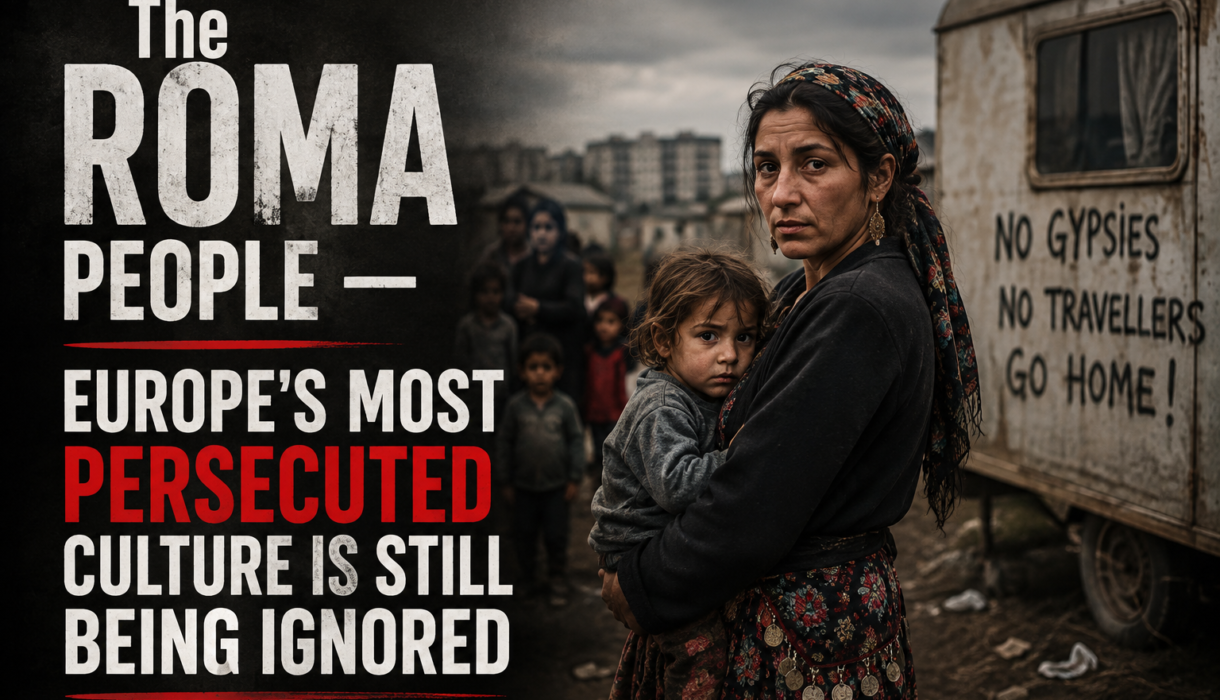

Numbering between 10 and 12 million people, the Roma represent Europe’s largest ethnic minority, yet they remain one of the most misunderstood and systematically marginalized populations on the continent. Originally migrating from northern India to Europe over a thousand years ago, Romani communities have made profound contributions to European music, folklore, craftsmanship, and trade. Despite this deep historical footprint, centuries of deep-seated prejudice—often referred to as antigypsyism—have forced millions of Roma into the shadows of European society. Understanding their plight requires looking past persistent cultural stereotypes and acknowledging a long, painful legacy of institutional exclusion.
Centuries of Systematic Persecution
The suffering of the Roma people is not a recent phenomenon; it is rooted in centuries of state-sanctioned violence and displacement. From centuries of forced enslavement in Eastern Europe to mandatory cultural assimilation laws across Western states, the Roma have faced continuous efforts to erase their identity. During World War II, the Nazi regime targeted the Roma and Sinti in a tragic genocide known as the Porajmos (“the devouring”), resulting in the systematic murder of an estimated 500,000 Romani people. Sadly, this dark history was neglected in mainstream European education for decades, leaving generations of citizens unaware of the severe historical trauma passed down through Romani families.
Modern-Day Segregation and Structural Inequality
Today, human rights organizations report that the majority of European Roma continue to endure structural barriers in everyday life, from substandard housing to segregated education systems. In several central and eastern European nations, Romani children are disproportionately funneled into segregated “special needs” schools or isolated classrooms, severely restricting their long-term academic and career potential. Furthermore, many Romani families reside in informal settlements lacking clean running water, electricity, or basic sanitation. This cycle of structural poverty makes accessing quality healthcare and formal employment extremely difficult, reinforcing systemic poverty across generations.
Media Misrepresentation and Political Scapegoating
A major driver of ongoing anti-Roma sentiment is the persistent reliance on harmful tropes and political scapegoating. Sensationalist media coverage frequently paints Romani communities as “eternal nomads” or lawless outsiders, ignoring the reality that most Roma have been settled for generations. During political campaigns or economic downturns, populist politicians often exploit these entrenched biases to blame Roma communities for crime or social welfare strains. This divisive rhetoric not only fuels public hostility but also leads to aggressive law enforcement practices, including forced evictions without alternative shelter and disproportionate police profiling.
The Path Forward: Representation and Genuine Policy Reform
Achieving true equality for Europe’s Romani citizens demands moving beyond symbolic promises toward concrete policy enforcement and political inclusion. European institutions and national governments must enforce strict anti-discrimination laws, eliminate educational segregation, and guarantee basic housing rights. Crucially, solutions cannot be imposed from the top down; Romani leaders, activists, and educators must be given central seats at the decision-making table. By amplifying authentic Romani voices and recognizing their heritage as an integral part of European history, society can finally dismantle centuries of injustice and build a future rooted in dignity and mutual respect.