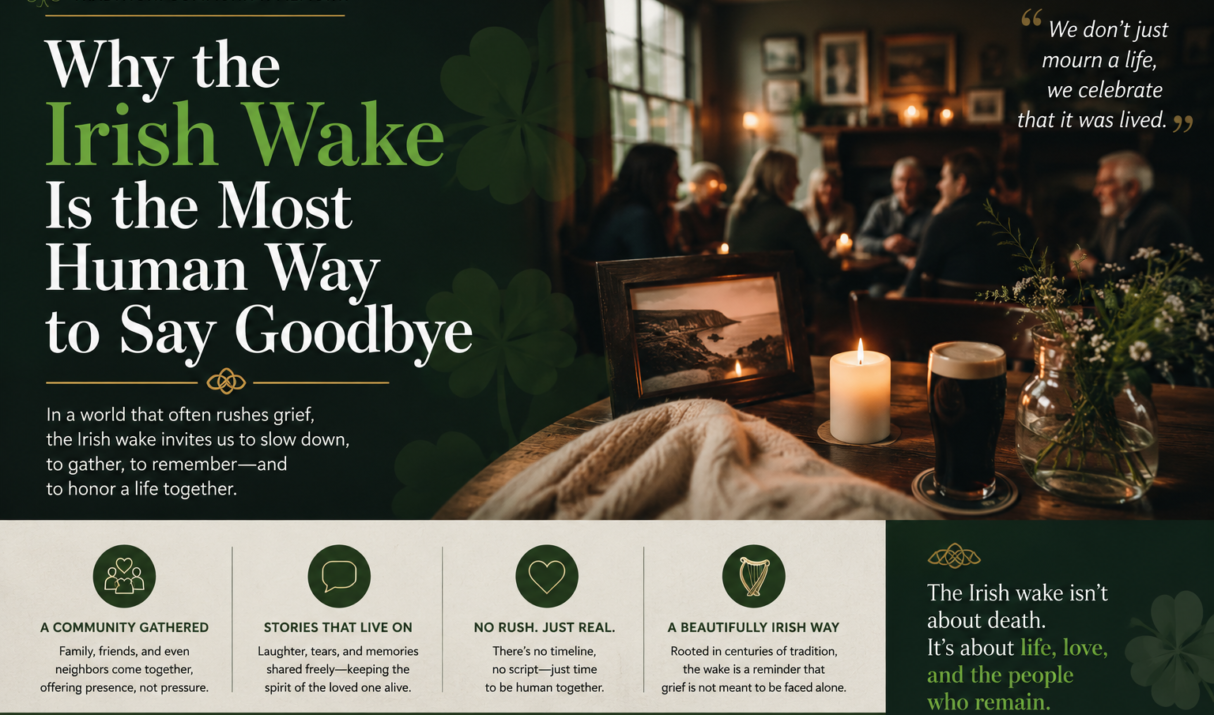

In many modern Western societies, death has become an uncomfortable subject—sanitized, hidden away in funeral homes, and spoken about in hushed, clinical tones. However, the traditional Irish wake stands in stark contrast to this sterile approach, offering a deeply emotional,
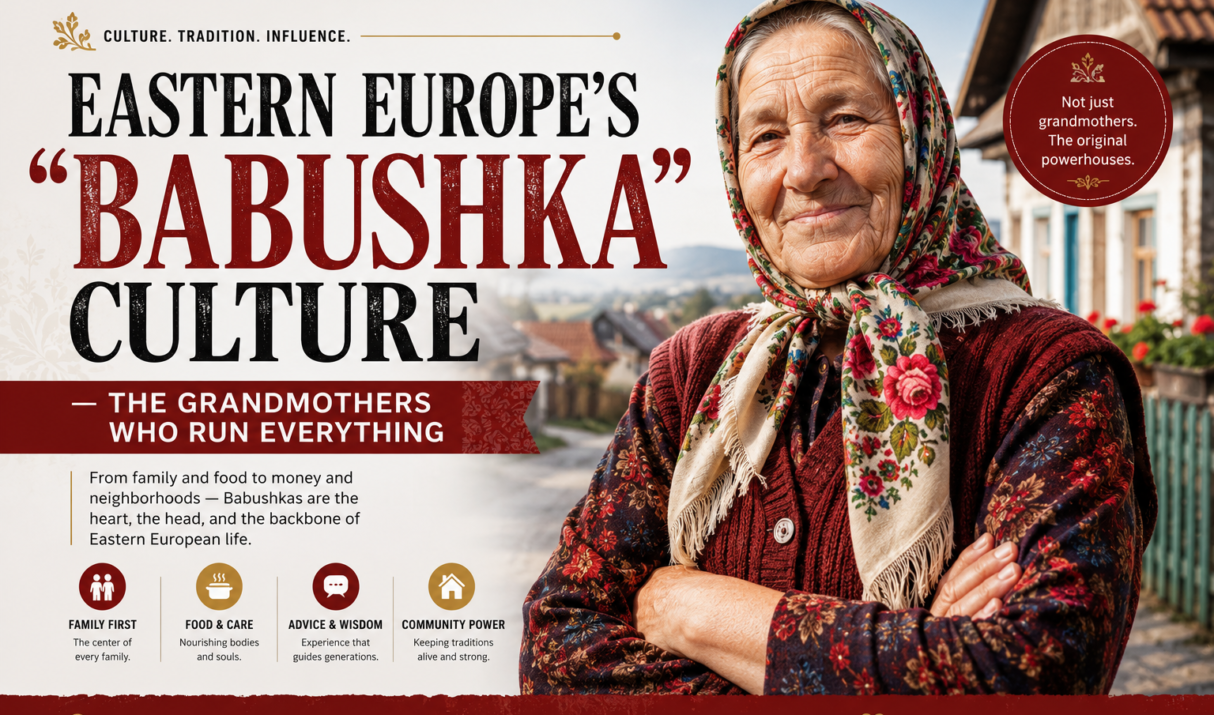
Across Eastern Europe, a quiet yet formidable force governs daily life: the babushka. Recognizable by her traditional floral headscarf (platok), pragmatic attire, and piercing, all-knowing gaze, the Eastern European grandmother is far more than a beloved family matriarch. She is

There are certain untranslatable words around the world that encapsulate the very soul of a culture, and for Greece, that word is philotimo (φιλότιμο). Etymologically combining philos (friend or lover) and time (honor), its literal translation—”love of honor”—barely scratches the
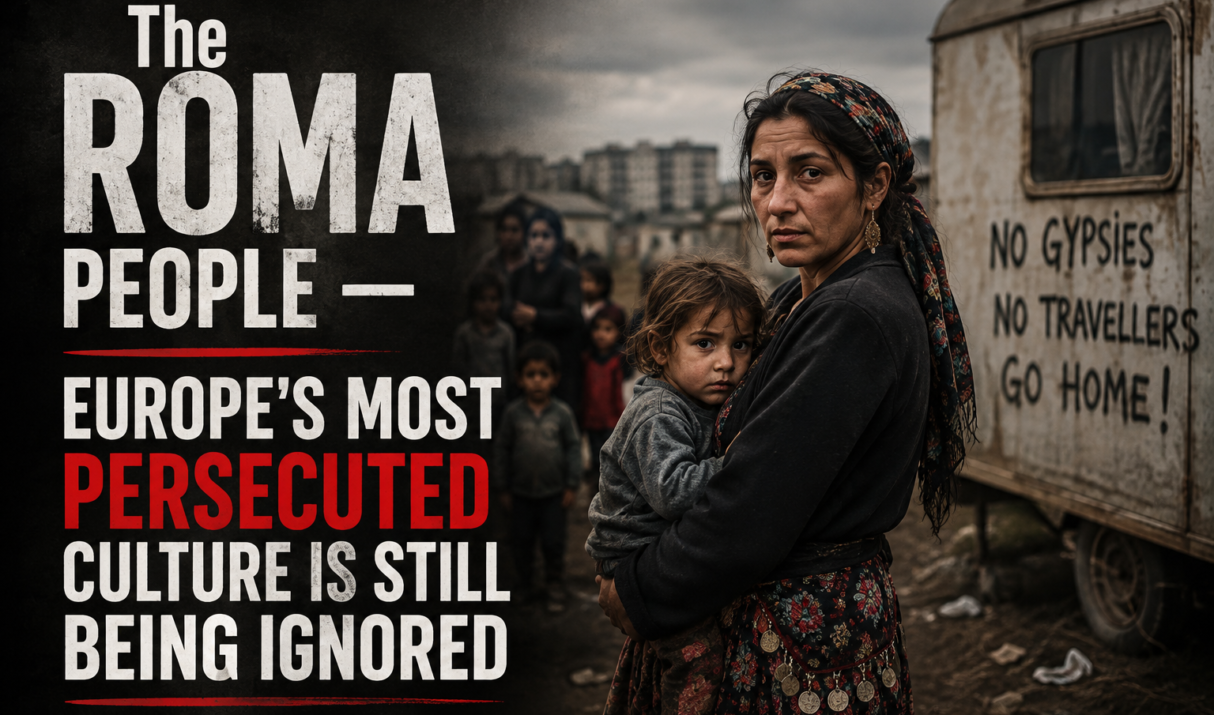
Numbering between 10 and 12 million people, the Roma represent Europe’s largest ethnic minority, yet they remain one of the most misunderstood and systematically marginalized populations on the continent. Originally migrating from northern India to Europe over a thousand years
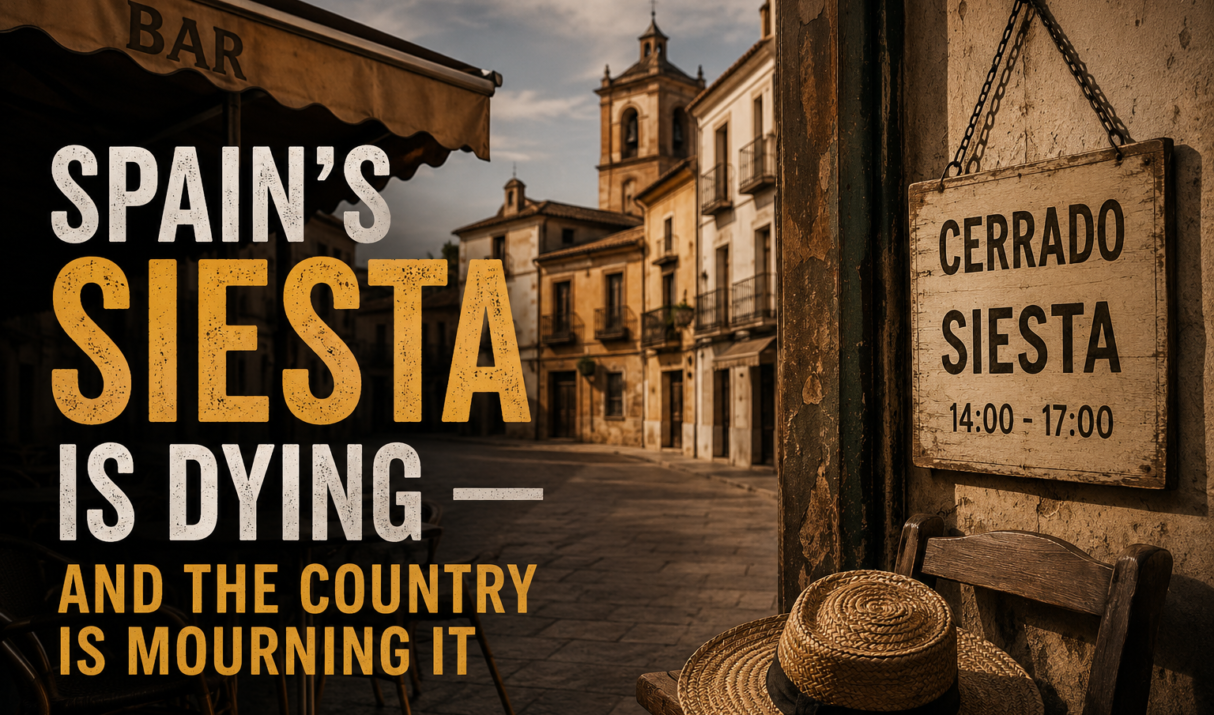
For centuries, the mid-afternoon siesta was far more than a simple post-lunch nap; it was the rhythmic heartbeat of Spanish culture. Designed to help agricultural workers escape the scorching Mediterranean heat, this long afternoon pause allowed families to gather for

Stretching across the frost-dusted expanses of northern Norway, Sweden, Finland, and Russia’s Kola Peninsula lies Sápmi, the ancestral homeland of the Sámi people. As Europe’s only officially recognized indigenous group, the Sámi have inhabited these harsh Arctic sub-regions for thousands