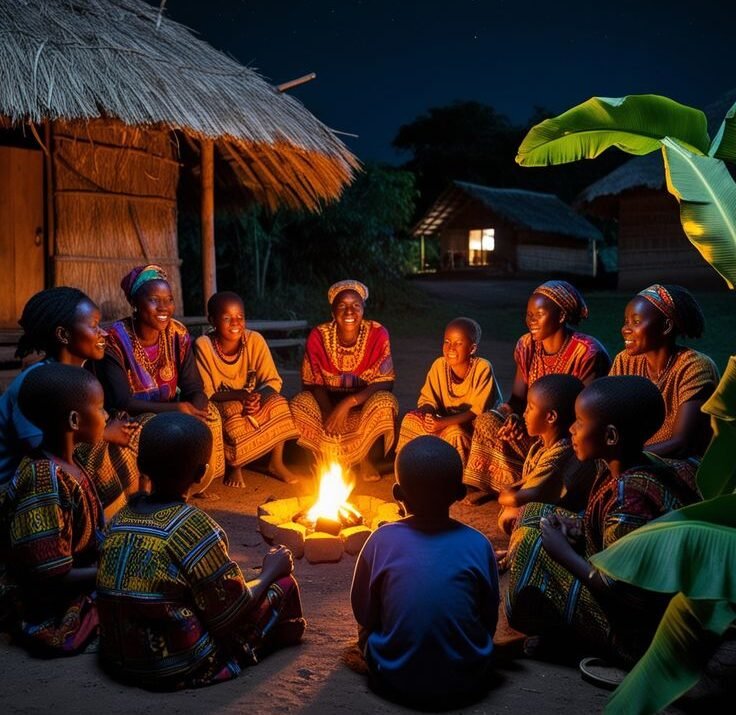

Long before modern gadgets and electricity reshaped the landscape of West Africa, life in an Igbo village was guided by the natural rhythms of the earth and the deep warmth of human connection. It was a world where time was
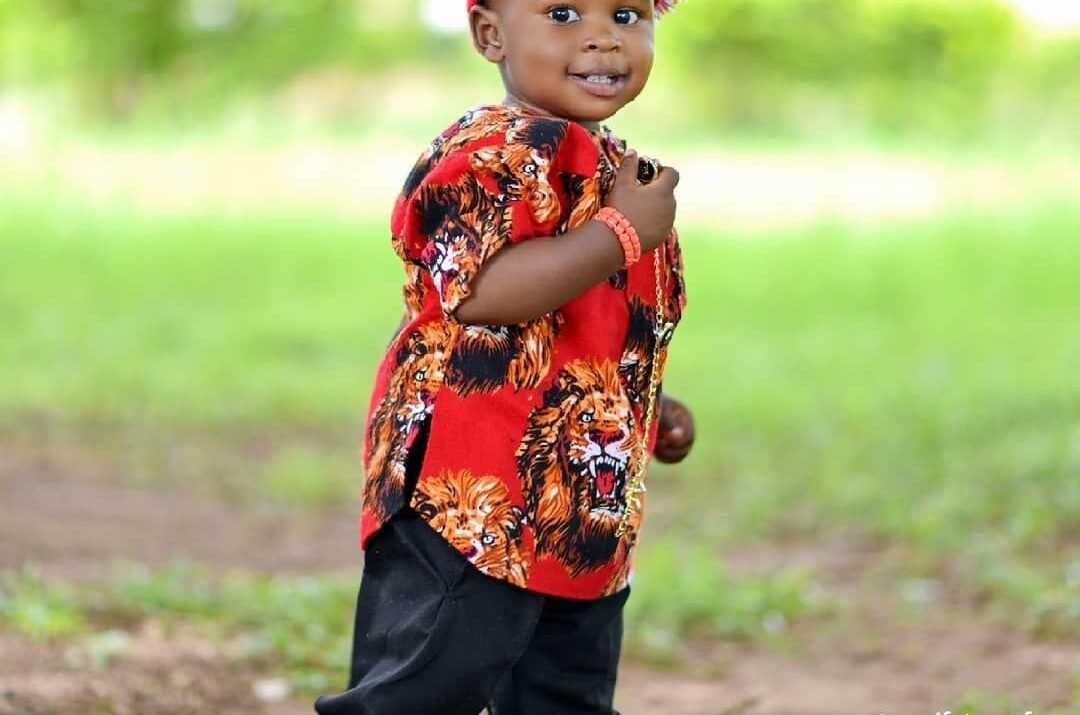
Growing up in an Igbo household is a unique, vibrant experience shaped by deep-rooted cultural values, unwavering discipline, and an abundance of love. Across Southeastern Nigeria and the global diaspora, children raised by Igbo parents share an unspoken bond forged
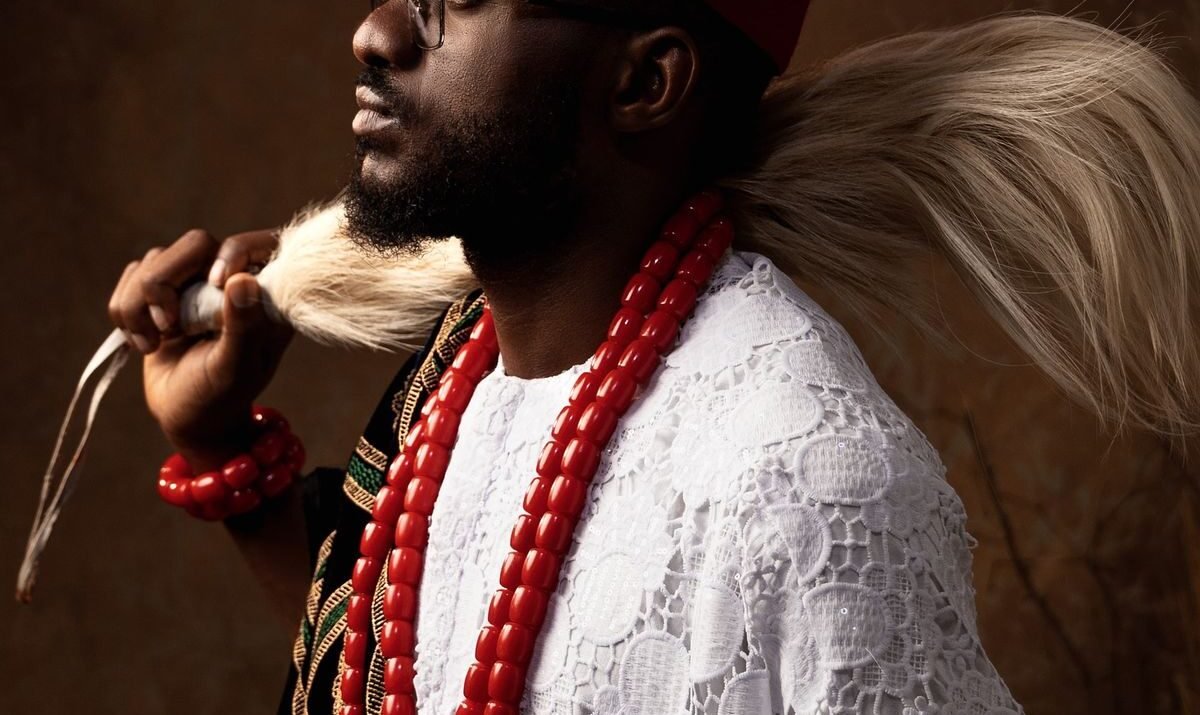
In traditional Igbo society, governance and social harmony do not rest on a centralized monarchy, but on a deeply respected system of elders. Known collectively as the Oha na Eze or Ndi Ichie, these elderly men and women are viewed
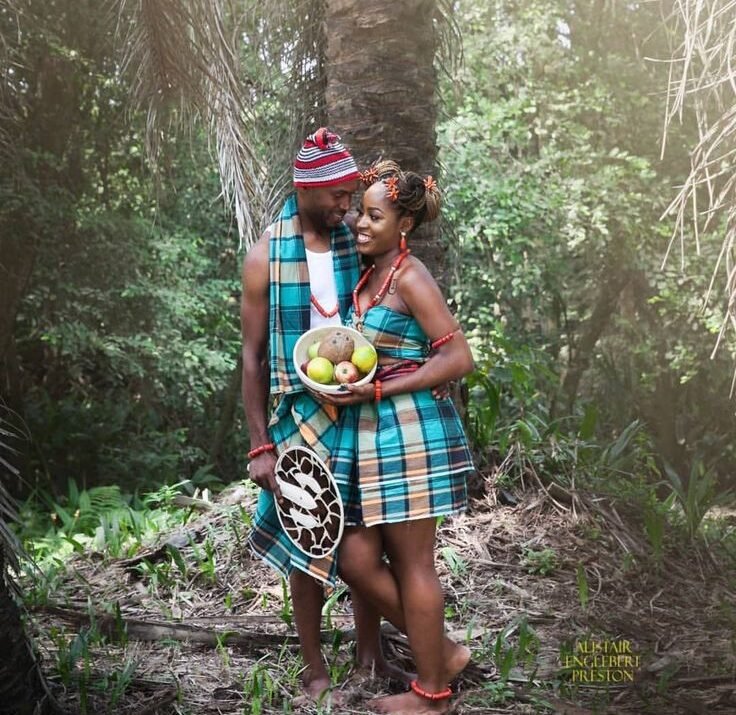
Proverbs, or Ilu, hold a sacred place in the heart of Igbo culture and language. In southeastern Nigeria, elders view proverbs as “the palm oil with which words are eaten”—an essential ingredient that lubricates conversation, adds depth to speech, and
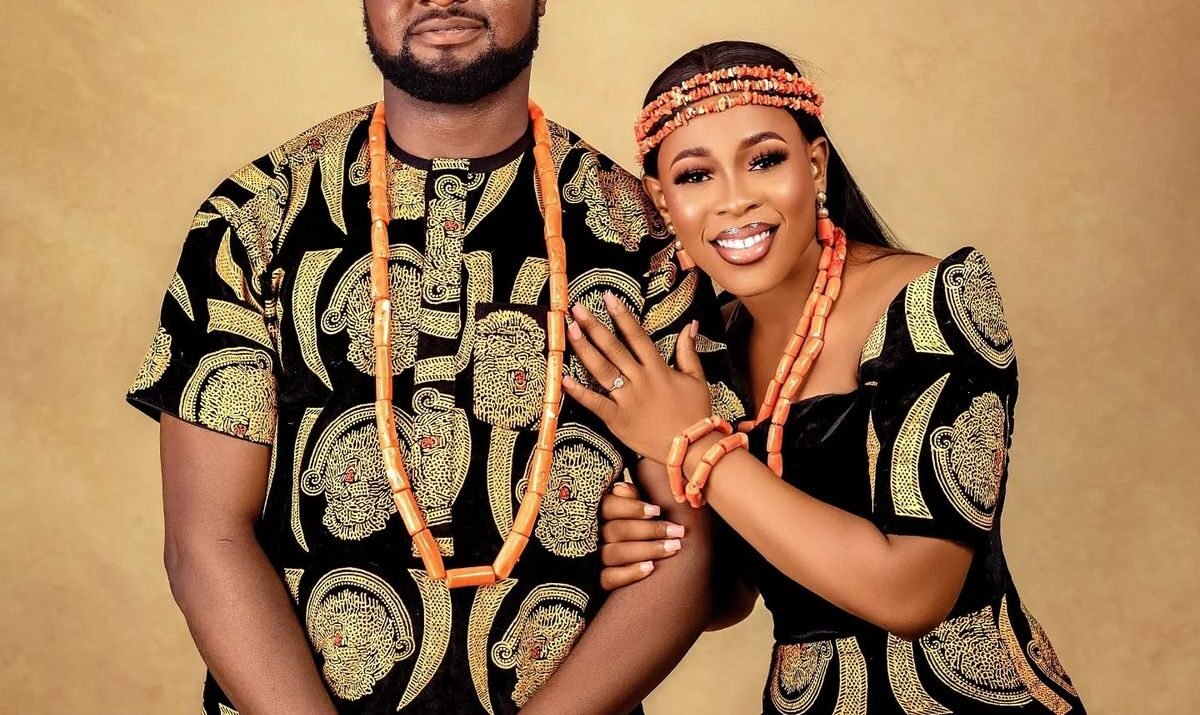
The traditional Igbo marriage, widely known as Igbankwu, is far more than a colorful celebration of love; it is a sacred, structured institution that binds two families and communities together forever. In Southeastern Nigeria, marriage is viewed as a lifetime

In pre-colonial southeastern Nigeria, the fabric of traditional Igbo society was woven together by a profound, unyielding commitment to respect. Unlike systems built on central kingships, the Igbo operated a highly democratic, decentralized system of governance often described as Ohacracy