Edikang Ikong vs. Afang: The Ultimate Battle of Akwa Ibom Soups.
Posted in :

When it comes to Nigeria’s rich culinary landscape, Akwa Ibom State holds a legendary status, primarily due to its masterful creation of vegetable soups. Among its finest exports, Edikang Ikong and Afang stand out as the undisputed monarchs of the kitchen. Both are deeply revered, nutrient-dense, and intricately tied to cultural pride. While they share a base of rich proteins, seafood, and palm oil, the subtle nuances in their leafy compositions create a delightful divide among food lovers. This friendly rivalry has sparked endless debates across dinner tables worldwide, as enthusiasts passionately argue which dish reigns supreme.
Edikang Ikong: The Luxurious Royalty
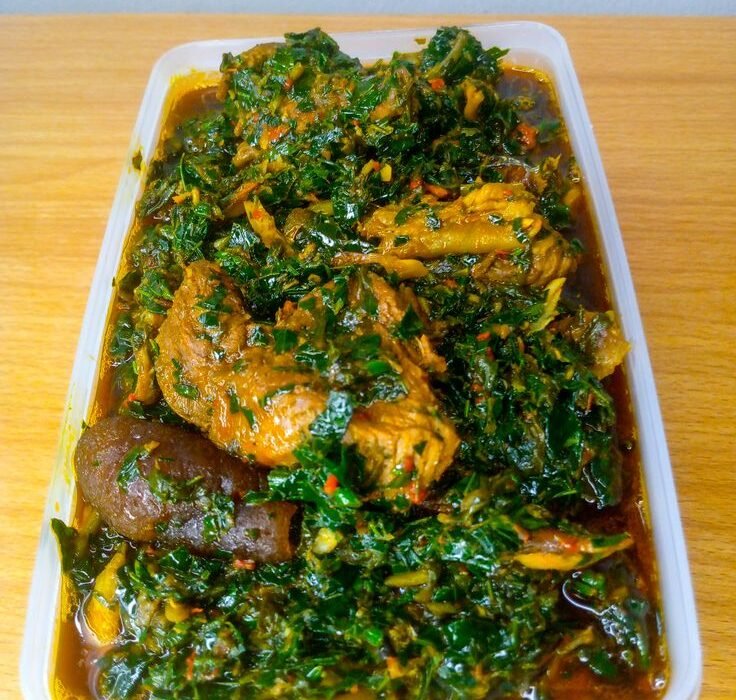
Edikang Ikong is widely considered the ultimate luxury soup, traditionally prepared to signal wealth, celebration, and hospitality. The magic of this dish lies in the precise, harmonious balance between two primary vegetables: waterleaf and fluted pumpkin leaves (locally known as Ugu). Because waterleaf naturally retains a high moisture content, a master chef knows how to control the liquids, ensuring the soup remains thick and richly coated in palm oil. Packed with periwinkles, beef, stockfish, and kanda (cow skin), Edikang Ikong offers a vibrant, visually stunning aesthetic and a fresh, earthy flavor profile that melts beautifully on the palate.
Afang: The Bold and Textural Masterpiece
In the other corner stands Afang, a robust and deeply aromatic masterpiece that commands equal respect. The defining characteristic of this soup is the Afang leaf (wild spinach or Ukazi), which is finely shredded and then traditionally pounded in a mortar before being paired with waterleaf. This distinct preparation method gives Afang a unique, slightly chewy texture and a wonderfully complex, subtly bitter undertone. It is a hearty, deeply savory dish that absorbs the rich oils and juices of the assorted meats and seafood perfectly, making every bite a profound culinary experience.
The Key Differences: Leaves, Texture, and Technique
While a novice might mistake them for being similar, a true connoisseur knows the devil is in the details. The fundamental difference lies in the leaf selection and the technique required to handle them. Edikang Ikong relies on the soft, delicate crunch of Ugu, creating a smoother blend. Afang, conversely, champions the tough, resilient Ukazi leaf, requiring a meticulous pounding or grinding process to unlock its intense flavor and distinct, threaded texture. Consequently, Edikang Ikong leans toward a fresher, brighter taste, whereas Afang delivers a more intense, savory depth.
The Verdict: A Delicious Win-Win For Both Afang and Edikang Ikong
Ultimately, choosing between Edikang Ikong and Afang is less about finding a superior soup and more about personal preference. If you crave a vibrant, luxurious dish with a fresh, velvety finish, Edikang Ikong is your crown jewel. If you prefer a textured, aromatic meal with a bold and complex depth of flavor, Afang will easily win your heart. Both soups pair magnificently with traditional swallows like fufu, eba, or pounded yam, ensuring that no matter which side of the debate you land on, your palate wins the ultimate prize.