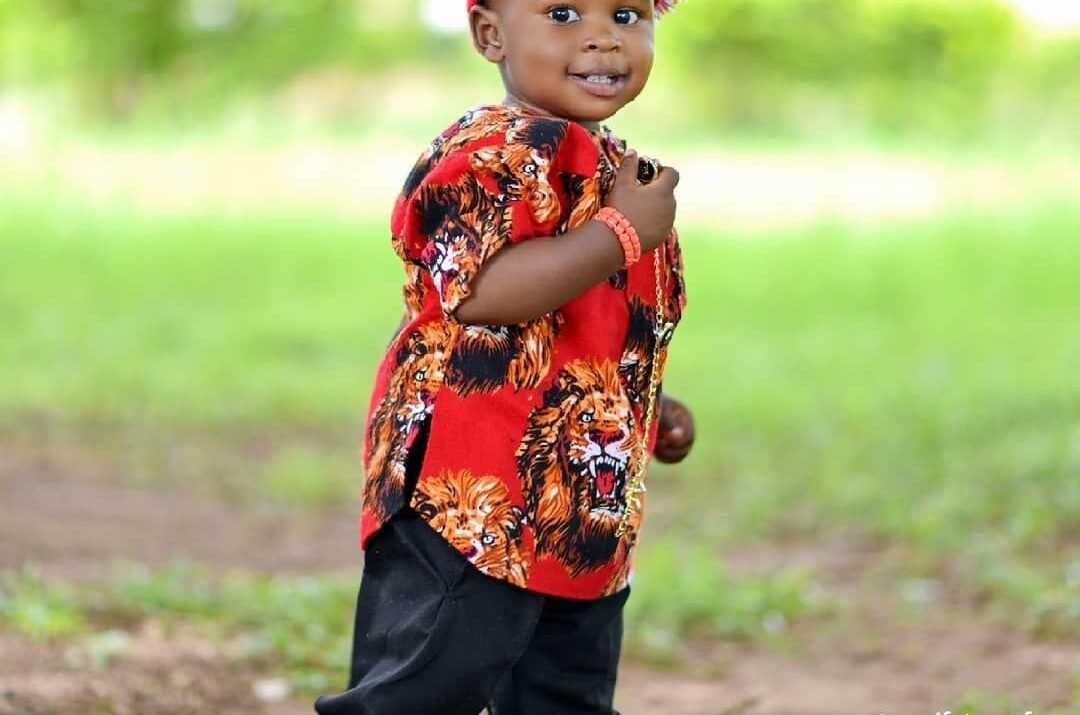

Growing up in an Igbo household is a unique, vibrant experience shaped by deep-rooted cultural values, unwavering discipline, and an abundance of love. Across Southeastern Nigeria and the global diaspora, children raised by Igbo parents share an unspoken bond forged
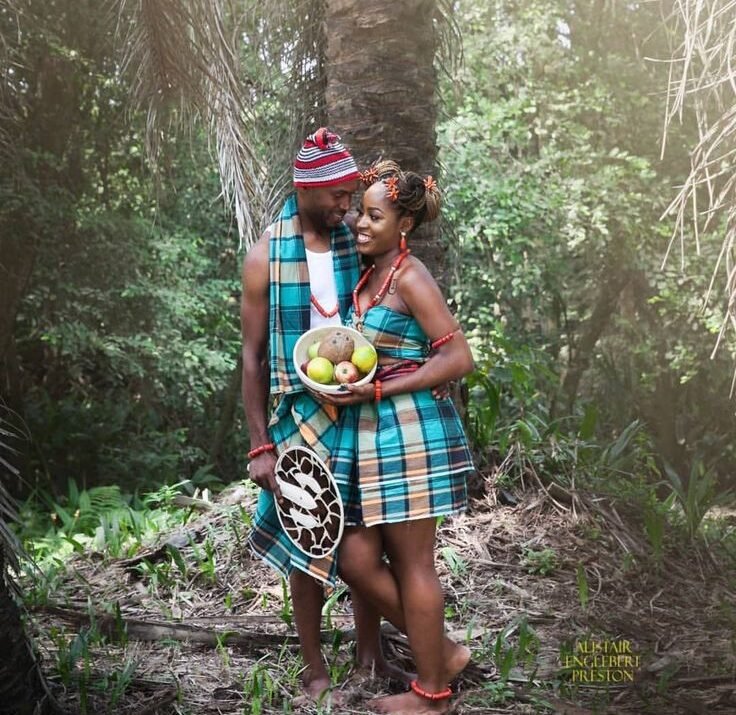
Proverbs, or Ilu, hold a sacred place in the heart of Igbo culture and language. In southeastern Nigeria, elders view proverbs as “the palm oil with which words are eaten”—an essential ingredient that lubricates conversation, adds depth to speech, and
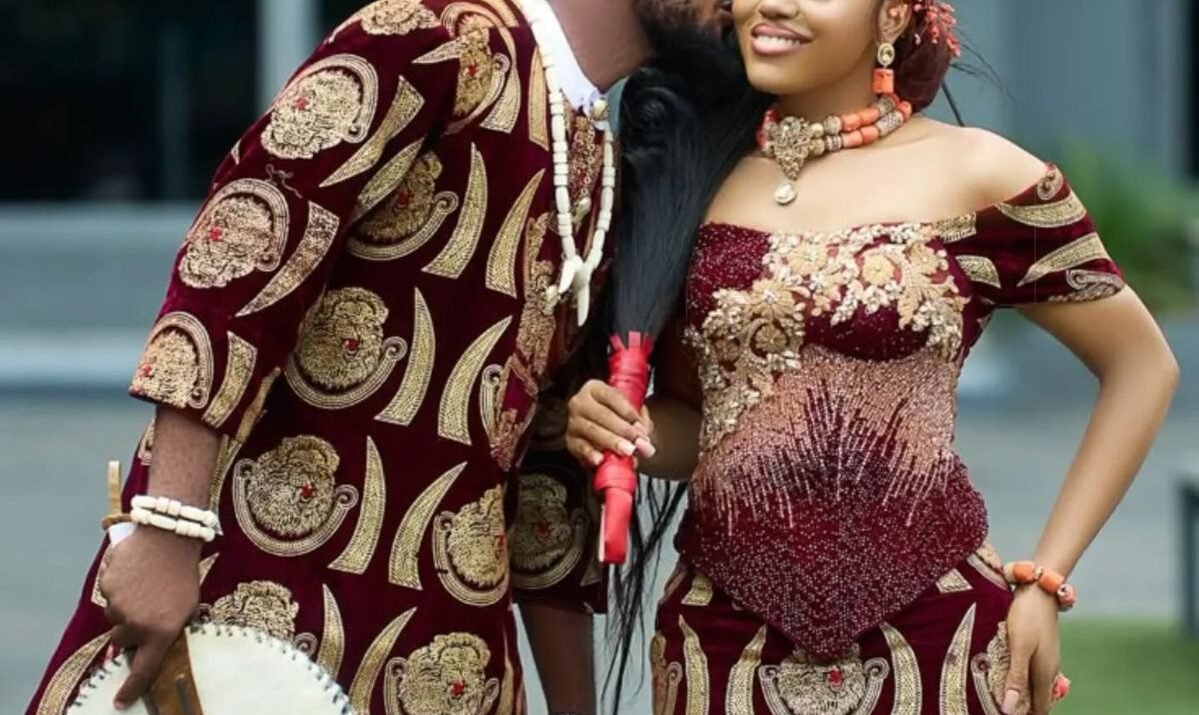
Nigerian weddings are globally renowned for their grandeur, but an Igbo traditional wedding—locally known as Igba Nkwu (the wine carrying)—holds a unique, unyielding position in cultural storytelling. Far beyond a simple legal or spiritual contract, an Igbo marriage is an

The Igbo people of Southeastern Nigeria possess a rich cultural identity deeply rooted in community, morality, and unique social structures. For centuries, these customs defined societal values and preserved historical knowledge from one generation to the next. However, the rapid

In pre-colonial southeastern Nigeria, the fabric of traditional Igbo society was woven together by a profound, unyielding commitment to respect. Unlike systems built on central kingships, the Igbo operated a highly democratic, decentralized system of governance often described as Ohacracy
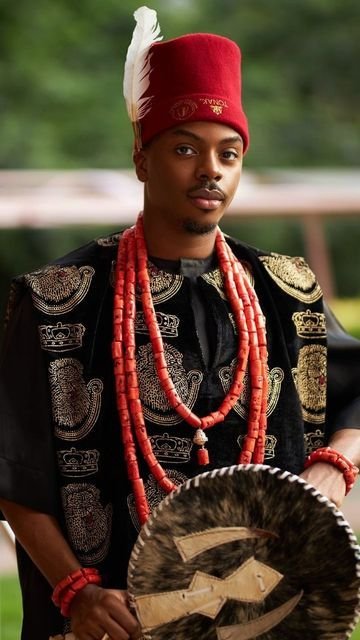
The Igbo people of southeastern Nigeria possess a cultural heritage that has resiliently weathered centuries of modernization, colonialism, and globalization. Far from being mere relics of the past, many ancient Igbo customs remain deeply integrated into the fabric of contemporary