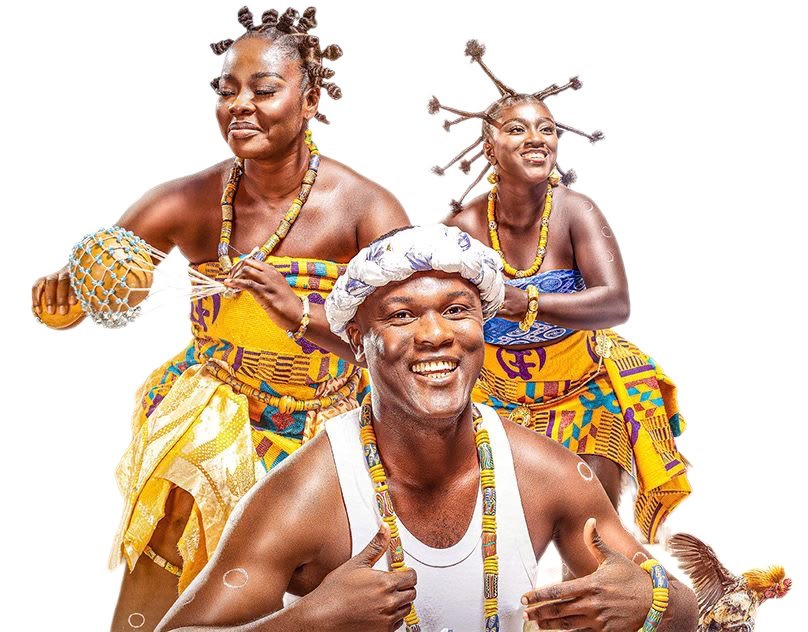

Long before colonial contact, the Igbo people of southeastern Nigeria practiced a deeply structured, sophisticated religious system that permeated every aspect of daily life. Rather than being a separate institution, religion was woven into governance, agriculture, family structure, and community
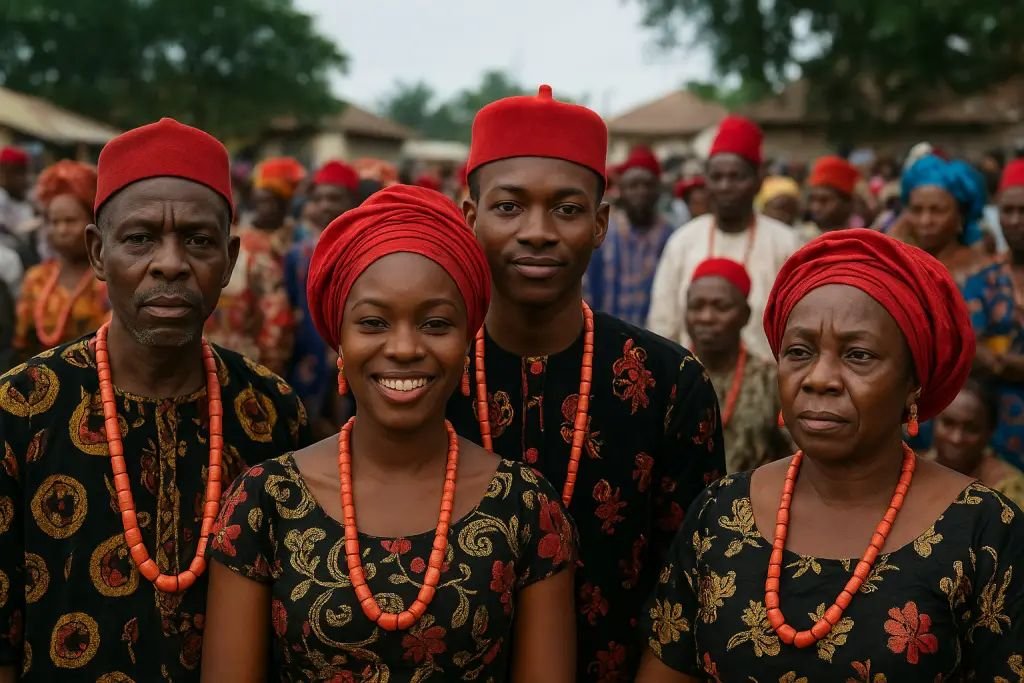
The story of the Igbo people of southeastern Nigeria is a powerful narrative of resilience, democratic governance, and profound cultural identity. As one of Africa’s most dynamic and influential ethnic groups, the Igbo have shaped the social and economic landscape

In Igbo culture, a name is far more than a simple tag for identification; it is a profound declaration of identity, destiny, and circumstance. The Igbo people of Southeastern Nigeria believe that names possess spiritual weight and can actively influence
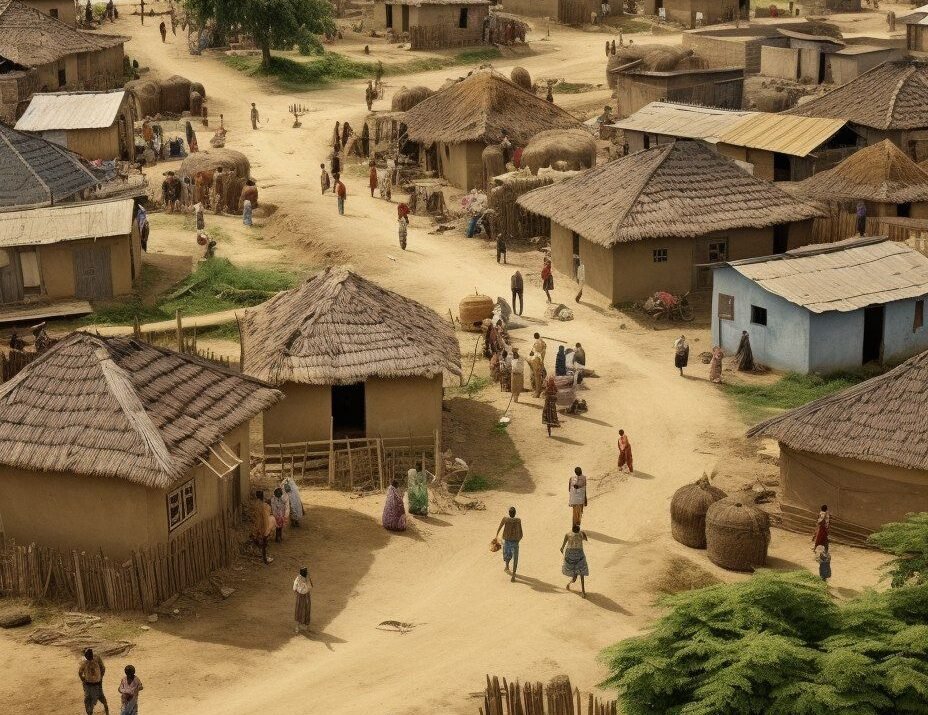
In pre-colonial Africa, the social fabric of the Igbo people was famously decentralized, yet remarkably cohesive. Unlike societies governed by centralized monarchs, old Igbo society relied on a web of kinship, shared values, and mutual dependency to maintain order and
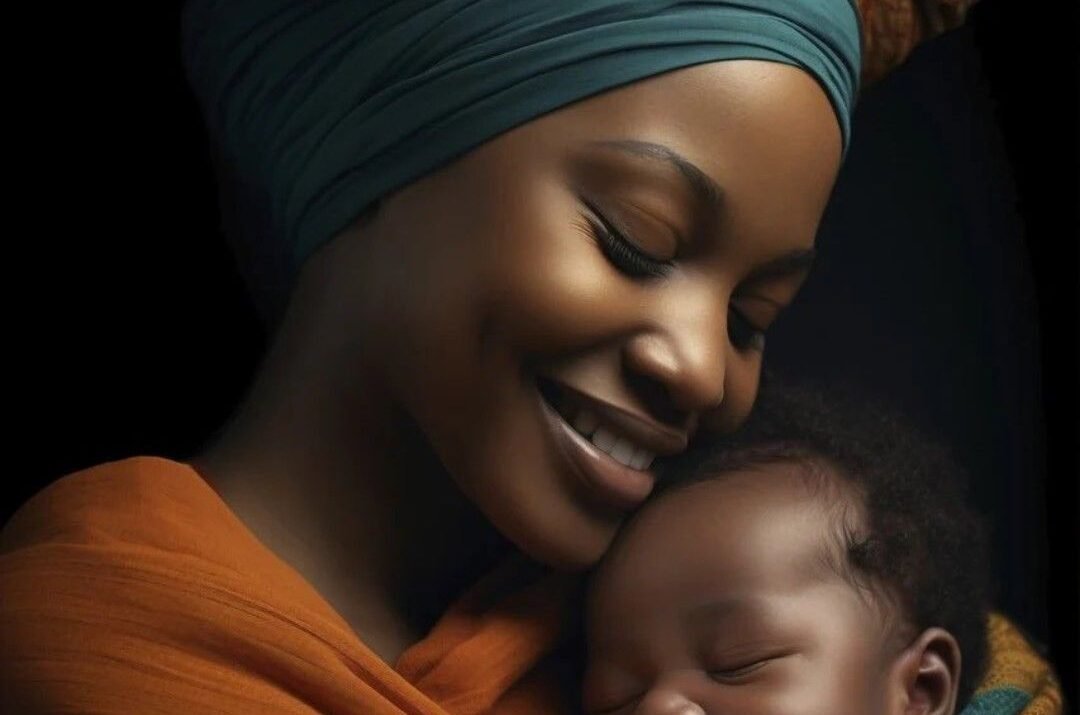
For generations, Igbo mothers have held a revered status as the foundational pillars of the home, famous for shaping individuals of exceptional character, resilience, and ambition. Rooted in southeastern Nigeria, the traditional Igbo approach to parenting is an intentional art
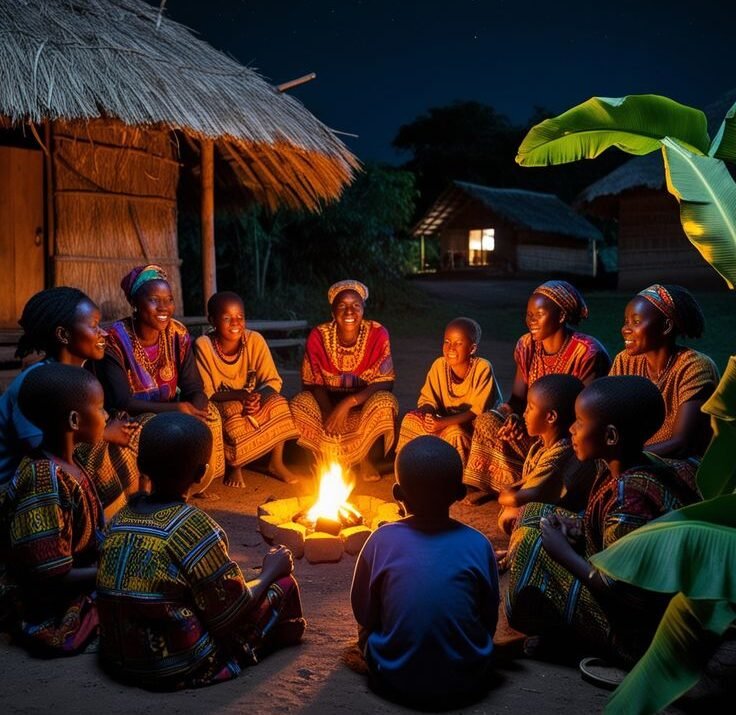
Long before modern gadgets and electricity reshaped the landscape of West Africa, life in an Igbo village was guided by the natural rhythms of the earth and the deep warmth of human connection. It was a world where time was