Ancient Igbo Traditions That Still Exist Today
Posted in :

The Igbo people of southeastern Nigeria possess a cultural heritage that has resiliently weathered centuries of modernization, colonialism, and globalization. Far from being mere relics of the past, many ancient Igbo customs remain deeply integrated into the fabric of contemporary society. These enduring traditions serve as a vital link to ancestral roots, shaping identity, governance, and community life in the modern world. Exploring these practices reveals a fascinating blend of historical reverence and modern relevance that continues to define the Igbo ethos.
1. The New Yam Festival (Iwa Ji or Iri Ji)
Historically, the yam held a sacred status as the king of crops, symbolizing wealth, fertility, and agricultural success. Today, between August and October, Igbo communities worldwide gather to mark the end of the harvest cycle. The oldest man or traditional ruler (Igwe) offers the first roasted yams to the ancestors and deities in thanksgiving before the community joins in feasting, cultural dances, and masquerade displays.
2. The Traditional Title System (Ozo and Nze)
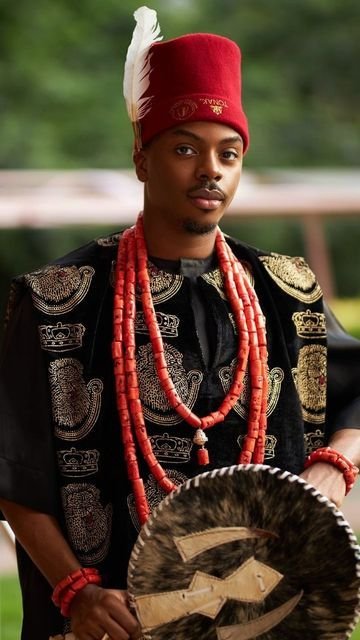
Long before the introduction of modern administrative structures, the Igbo people practiced a highly sophisticated, decentralized democracy governed by meritocracy. This ancient governance system endures through the sacred Ozo and Nze title societies. To attain these titles today, an individual must demonstrate exceptional integrity, community service, and financial stability. Ozo titleholders are viewed as custodians of truth and justice, recognizable by their symbolic red caps, ankle cords, and eagle feathers.
3. Traditional Marriage Rites (Igba Nkwu)
While modern weddings are common, no marriage in Igboland is considered culturally complete without Igba Nkwu, the traditional wine-carrying ceremony. This ancient rite is a multi-staged process that involves formal family introductions, intensive background checks, and the negotiation of the bride price. The climax of the ceremony occurs when the bride is given a cup of palm wine by her father to find her groom among the crowd. Her act of presenting the wine to him, which he drinks, seals the marriage in the eyes of the community and the ancestors.
4. The Apprenticeship System (Igba Boyi)
Centuries ago, Igbo communities used informal mentorship models to pass specialized trades down through generations. This practice evolved into the highly acclaimed Igba Boyi apprenticeship system, which remains a cornerstone of modern West African commerce. Under this system, a young person lives and works with an established master merchant for a set number of years to learn a business trade. Upon completion, the master provides the apprentice with seed capital to launch their own independent business, sustaining a continuous cycle of wealth creation and community empowerment.