The Cultural Tapestry of South Australia: A Deep Dive into the “Festival State”
Posted in :

South Australia (SA) is a region where ancient wisdom seamlessly intersects with progressive, modern ideals. Affectionately known as the “Festival State,” its cultural identity is noticeably distinct from the rest of the Australian continent. Unlike the eastern states, South Australia was never established as a penal colony. This foundational difference cultivated a society deeply rooted in free-thinking, religious tolerance, and civic planning. Today, its capital, Adelaide, acts as the beating heart of a state that champions diversity, world-class gastronomy, and a vibrant arts scene, all while standing on the sacred, ancient lands of its First Nations people.
History & Origins
The cultural genesis of South Australia is a tale of two distinct eras.
For over 60,000 years, the land has been nurtured by Indigenous Australians. The Kaurna (pronounced Gar-na) people are the traditional custodians of the Adelaide Plains, while groups like the Adnyamathanha care for the rugged Flinders Ranges, and the Ngarrindjeri steward the lower Murray River. Their deep spiritual and physical connection to the land forms the bedrock of the region’s heritage.
The modern iteration of the state began in 1836. Driven by the ideals of Edward Gibbon Wakefield, the British established South Australia as a planned province for free settlers, specifically designed to be a utopian society free from the stain of convict transportation. Shortly after the British arrival, German Lutherans fleeing religious persecution immigrated in large numbers, settling in the Barossa Valley and Adelaide Hills. They brought with them a profound knowledge of viticulture and distinct European architecture, fundamentally shaping the state’s evolution.
Culture, Traditions & Customs
South Australian customs reflect a blend of its Indigenous roots and its modern multicultural makeup.
- Rites of Passage: Today, modern South Australians celebrate typical Western milestones—graduations, and 18th or 21st birthdays are major events. However, the state is increasingly integrating First Nations traditions into modern life. Welcome to Country and Smoking Ceremonies—where native flora is burned to produce a purifying smoke—are customary at weddings, school assemblies, and civic events to pay respect to the ancestors and cleanse the space.
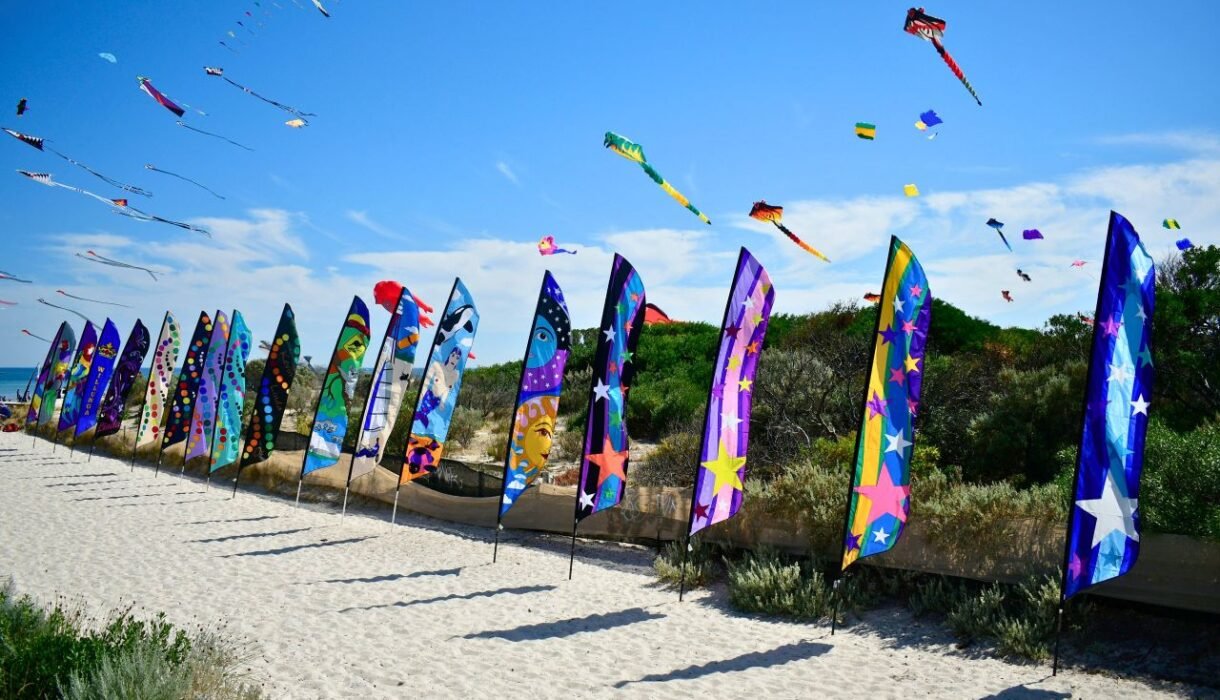
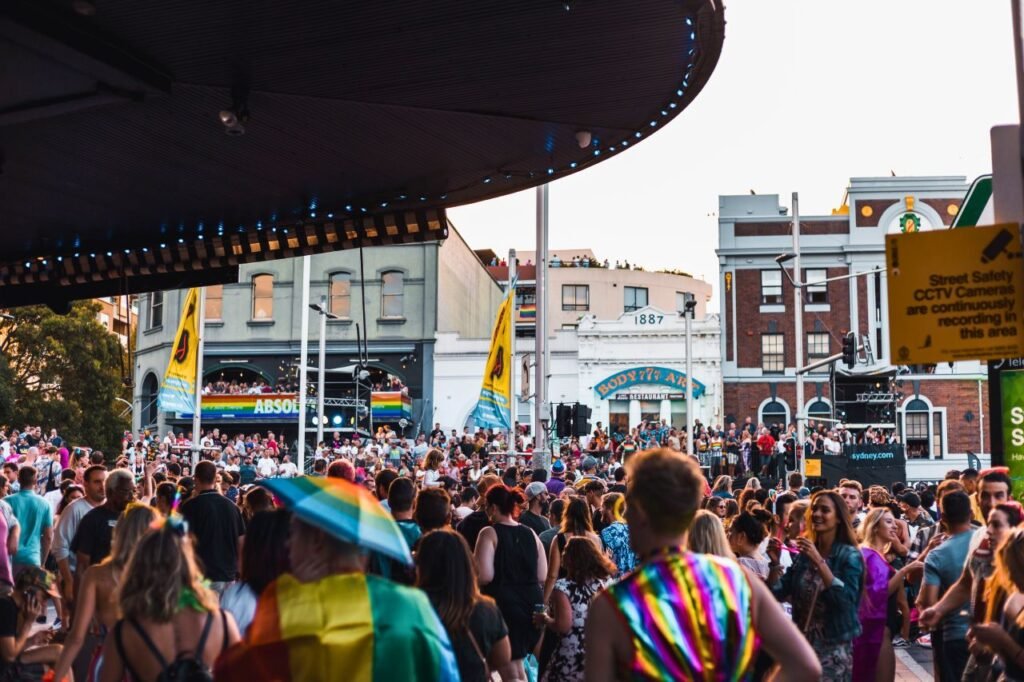
- Festivals: The culture of celebration is institutionalized. The Adelaide Fringe Festival, held every February and March, is the second-largest open-access arts festival in the world. During “Mad March,” the city also hosts WOMADelaide (a global world music and dance festival) and the Adelaide Festival, making the arts a core pillar of the local calendar.
- Marriage Customs: While heavily influenced by secular Western traditions—often featuring outdoor ceremonies in the state’s famous vineyards or botanical gardens—multicultural communities maintain their own vibrant marriage customs, from elaborate multi-day Indian weddings to traditional Greek Orthodox ceremonies.
Languages & Communication
English is the dominant language, but South Australians speak it with a distinct cadence. The “Adelaide accent” is often perceived by other Australians as slightly more British—for example, pronouncing “dance” and “plant” with a broad ‘ah’ sound.
The state also has a highly specific local vernacular:
- “Heaps good”: An ubiquitous expression meaning excellent or very good.
- Stobie pole: Concrete and steel power poles unique to South Australia (invented due to a historical lack of suitable timber).
- Fritz: A processed luncheon meat that is a staple in local children’s diets (known as Devon or polony in other states).
Crucially, the state is experiencing a beautiful revival of the Kaurna language. Greetings like “Niina marni” (Are you good?) are commonly heard in official capacities and taught in local schools, reflecting a dedicated effort to preserve Indigenous linguistic heritage.
Geography
South Australia holds the title of the driest state in the driest inhabited continent on Earth. This semi-arid reality has profoundly shaped its culture, fostering an environment of resilience and driving world-leading innovations in water conservation. The landscape is a study in dramatic contrasts: the lush, vine-covered Mount Lofty Ranges, the vital lifeblood of the Murray River, the stark, breathtaking red dirt of the Outback, and the pristine, rugged coastlines of Kangaroo Island and the Eyre Peninsula.
Economy
The South Australian economy is intrinsically tied to its geography and progressive mindset.
- Agriculture & Viticulture: SA produces over 50% of Australia’s bottled wine, making it a global heavyweight in viticulture. The Barossa, Clare Valley, and McLaren Vale regions are world-renowned.
- Renewable Energy: The state is a global pioneer in green energy, frequently running its entire electrical grid on 100% wind and solar power.
- Defense & Space: Adelaide is the epicenter of Australia’s naval shipbuilding program and proudly hosts the Australian Space Agency, driving a new wave of high-tech manufacturing and research.
Politics
South Australia has a fiercely proud history of political progressivism and egalitarian social reform.
In 1894, it became the first electorate in the world to grant women both the right to vote and the right to stand for parliament. Under the leadership of Premier Don Dunstan in the 1960s and 70s, the state led the nation in passing the Aboriginal Land Rights Act, implementing consumer protection laws, and becoming the first Australian state to decriminalize homosexuality. This legacy of a “fair go” remains a core cultural value.
Ethnic Groups
While historically dominated by British and Irish descendants, modern South Australia is a highly successful multicultural society. The early German migrations laid the foundation for diversity, followed by massive influxes of Italian and Greek immigrants post-World War II. In recent decades, substantial communities from Vietnam, India, China, the Philippines, and various African nations have established deep roots, enriching the state’s cultural, culinary, and economic landscape.
Beliefs & Values
South Australians largely operate on secular, egalitarian values. Mateship, community support, and an easygoing “no worries” attitude dictate daily life.
However, spirituality is deeply respected. For Indigenous South Australians, belief systems are tied to The Dreaming (or Tjukurpa in the state’s northwest). This worldview asserts that ancestral beings created the landscape, and humans are morally obligated to care for “Country.” In terms of organized religion, while Christianity (Catholicism and Anglicanism) is historically dominant, the state’s founding principle of religious freedom has allowed Islamic, Buddhist, and Hindu communities to flourish peacefully.
Food & Cuisine
Food in South Australia is treated with a near-religious reverence, heavily influenced by its Mediterranean climate and migrant communities.
- Traditional Dishes: The iconic Pie Floater is a historic local dish consisting of a meat pie inverted into a bowl of thick green pea soup, usually topped with tomato sauce. Another state treasure is Fruchocs, a beloved chocolate-coated peach and apricot confection.
- The Culinary Heart: The Adelaide Central Market, established in 1869, is one of the largest undercover fresh produce markets in the Southern Hemisphere. It is a melting pot of artisan cheeses, smallgoods, and multicultural street food.
- Seafood: The coastal waters provide some of the world’s best seafood, including Coffin Bay oysters, Southern Rock Lobster, and King George Whiting.
Clothing & Symbols
Given the warm, Mediterranean climate (where summer temperatures regularly exceed 104°F / 40°C), attire is famously casual. Linen, broad-brimmed hats, and board shorts are standard weekend wear.
Culturally, the state is represented by distinct symbols:
- The Piping Shrike: A white-backed magpie displayed on the state flag, symbolizing alertness and the native bushland.
- Sturt’s Desert Pea: The state’s floral emblem, recognized by its vivid blood-red petals and bulbous black center, perfectly representing the resilient beauty of the South Australian outback.
- Colors: The official state colors are Red, Blue, and Gold.
Music, Dance & Art
In 2015, Adelaide was designated a UNESCO City of Music, a nod to its rich history of live performance, classical symphonies, and thriving indie rock scene.
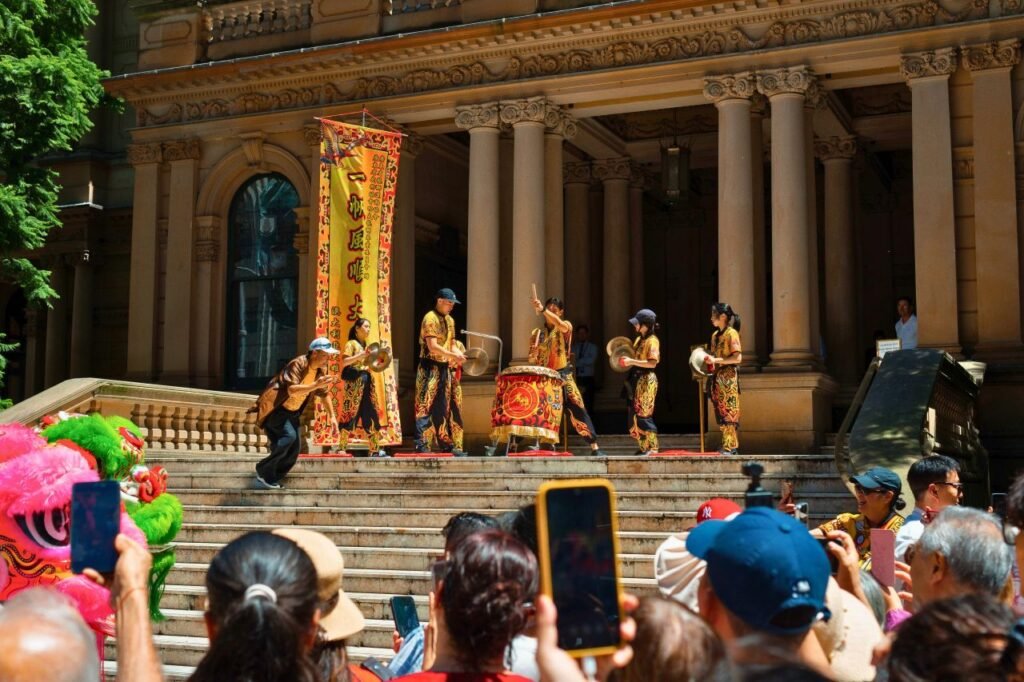
Visually, South Australia is a major hub for Indigenous art. The Art Gallery of South Australia houses one of the most comprehensive collections of Aboriginal art in the world, showcasing ancient dot-painting techniques, intricate woodcarvings, and contemporary pieces that tell complex stories of The Dreaming. Furthermore, institutions like the Australian Dance Theatre, based in Adelaide, push the boundaries of contemporary choreography on the global stage.
Summary
South Australia is a masterclass in harmonious contrast. It is a land that deeply honors the 60,000-year legacy of its First Nations custodians while proudly celebrating its unique origins as a freely settled, progressive province. Through its world-renowned culinary scene, its pioneering environmental economy, and its unyielding dedication to the arts, South Australia offers a rich, diverse, and deeply welcoming cultural experience that continues to evolve.
At Best Culture Insight, we see culture as the heartbeat of every society—the way people live, connect, and express their identity.