Traditional marriage in Akwa Ibom State is a vibrant, culturally rich celebration that beautifully blends color, respect, and deep-rooted customs. Known for their hospitality, delicious cuisine, and elegant attire, the Ibibio, Annang, and Oron peoples of Akwa Ibom view marriage not just as a union between two individuals, but as a lifelong bond between two families. Navigating this beautiful journey requires a clear understanding of the traditional steps, expectations, and financial implications involved in winning the bride’s hand.
1. The Knocking on the Door (Ndidiong Ufok)
The matrimonial journey begins officially with Ndidiong Ufok, which translates to “knowing the house.” This is a formal introduction where the groom, accompanied by a few key family members, visits the bride’s family to state his intentions. It is a modest, respectful gathering meant to establish rapport. The groom typically brings standard introductory gifts such as fine wine, hot drinks, and kola nuts. Financially, this stage is relatively inexpensive, usually costing between ₦50,000 to ₦100,000, depending on family expectations and initial hospitality.
2. The Formal Asking (Nno Nkani Mkpo)
Once the initial introduction is successful, the next phase is Nno Nkani Mkpo, or the formal consultation. During this visit, the groom’s family returns to ask for the official marriage list. This list outlines the items and rites required for the main wedding. The atmosphere is more relaxed than the first visit, but it carries more cultural weight. The groom’s family will provide drinks and small envelopes of money for the elders and youth of the bride’s village. Preparing for this stage generally requires a budget of ₦100,000 to ₦200,000.
3. The Marriage List and Traditional Rites (Unyen Ndo)
The core of Akwa Ibom marriage costs lies within the traditional list (Unyen Ndo). This comprehensive document is divided into categories: items for the father, the mother, the youth, and the extended family (Ufok Ekpuk). It typically includes wrappers (such as George or Hollandis), walking sticks, chieftaincy hats, bags of rice, tubers of yam, livestock (goats and chickens), crates of soft drinks, and various assortments of alcohol. Additionally, the symbolic bride price (Isong Ndobari) is paid. While the bride price itself is often a token amount, fulfilling the entire list can range from ₦500,000 to over ₦1,500,000, heavily influenced by the specific clan and the bride’s educational background.
4. The Grand Finale (Mbre Ndo)
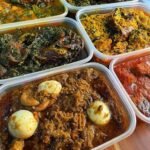
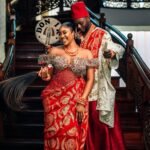
The climax of the entire process is the public traditional wedding ceremony, or Mbre Ndo. This is a massive, joyous feast filled with traditional music, rich cultural dances, and a legendary display of Akwa Ibom cuisine, featuring delicacies like Afang, Edikang Ikong, and Ekpang Nkukwo. The groom and his bride dress in stunning, color-coordinated traditional regalia. Hosting this event—which covers catering, venue decoration, traditional attire, and entertainment—is the largest financial commitment, often costing anywhere from ₦1,000,000 to ₦3,000,000+. Ultimately, while an Akwa Ibom traditional wedding requires a thoughtful budget, the warmth, honor, and unforgettable memories it creates are worth every single kobo.