

While modern India has legally abolished discrimination and embraced globalized economic progress, its ancient social hierarchy remains quietly entrenched in the most intimate space of daily life: the kitchen. The Indian caste system, historically structured around notions of spiritual purity
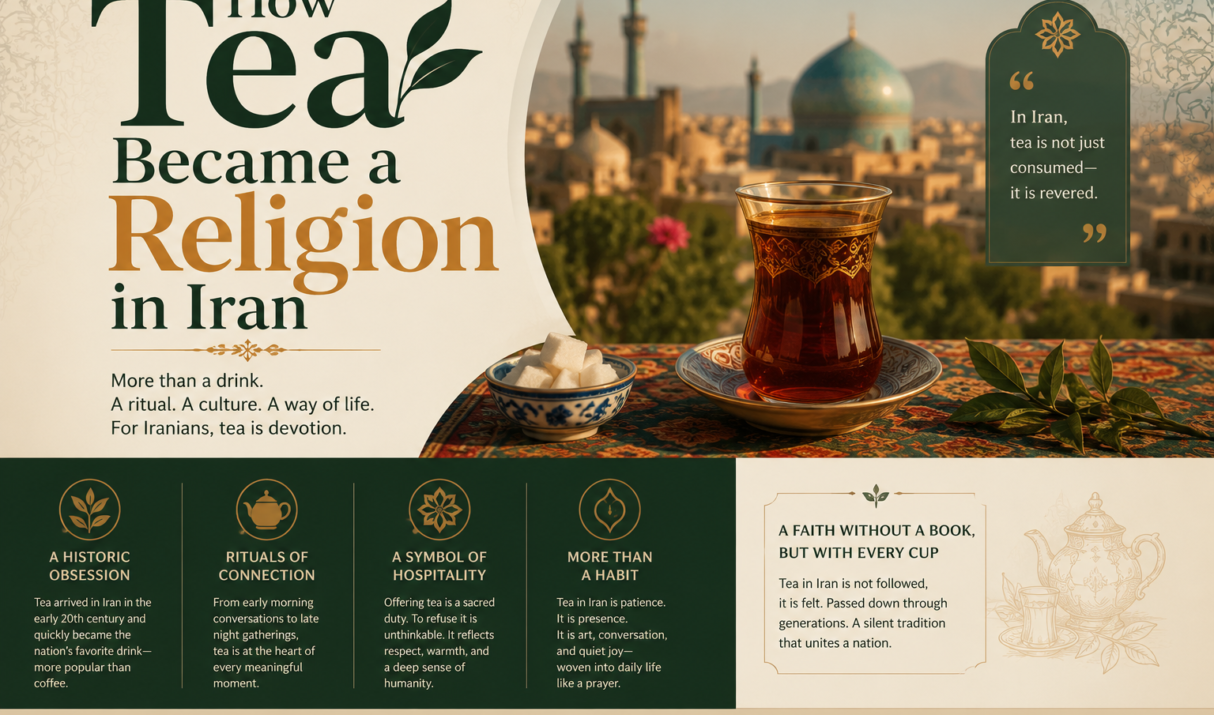
In Iran, tea (chai) is not merely a warm drink or a convenient refreshment; it is the beating heart of national life and an indispensable social doctrine. From early morning family breakfasts to late-night business negotiations, a steaming pot of

In the high-end dining rooms of Tokyo and Osaka, adventurous food enthusiasts gather to pay hundreds of dollars for a dish that could theoretically be their last. The subject of this high-stakes culinary obsession is fugu, or Japanese pufferfish. Far

In the heart of the Caucasus, the nation of Georgia views hospitality not merely as polite social behavior, but as a sacred duty embedded in its national DNA. An ancient Georgian proverb asserts that “a guest is a gift from
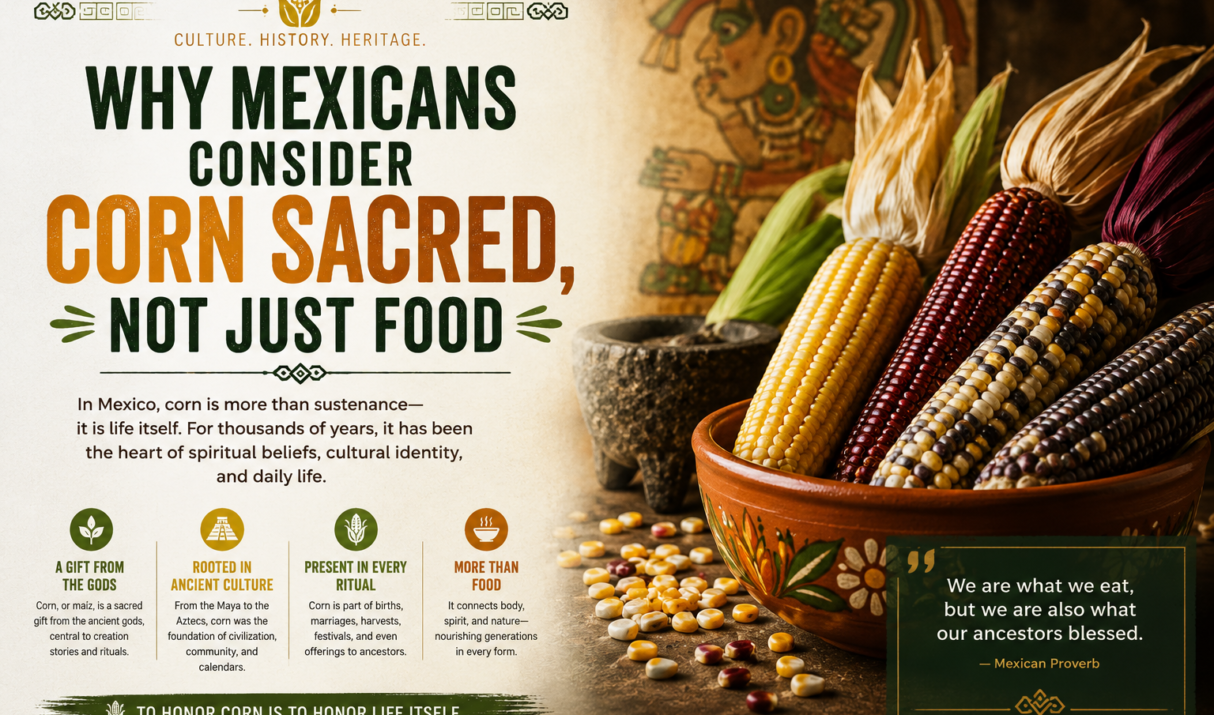
To understand Mexico’s soul, one must look beyond the kitchen table to the vibrant fields of native maize. For thousands of years, corn (maíz) has been the fundamental engine of Mexican civilization, shaping its traditions, spiritual views, and culinary identity.

In many West African cultures, affection is rarely declared through grand spoken promises; instead, it is quietly ladled into a steaming bowl. Among the vast array of regional delicacies, Egusi soup stands out as the ultimate culinary love letter across