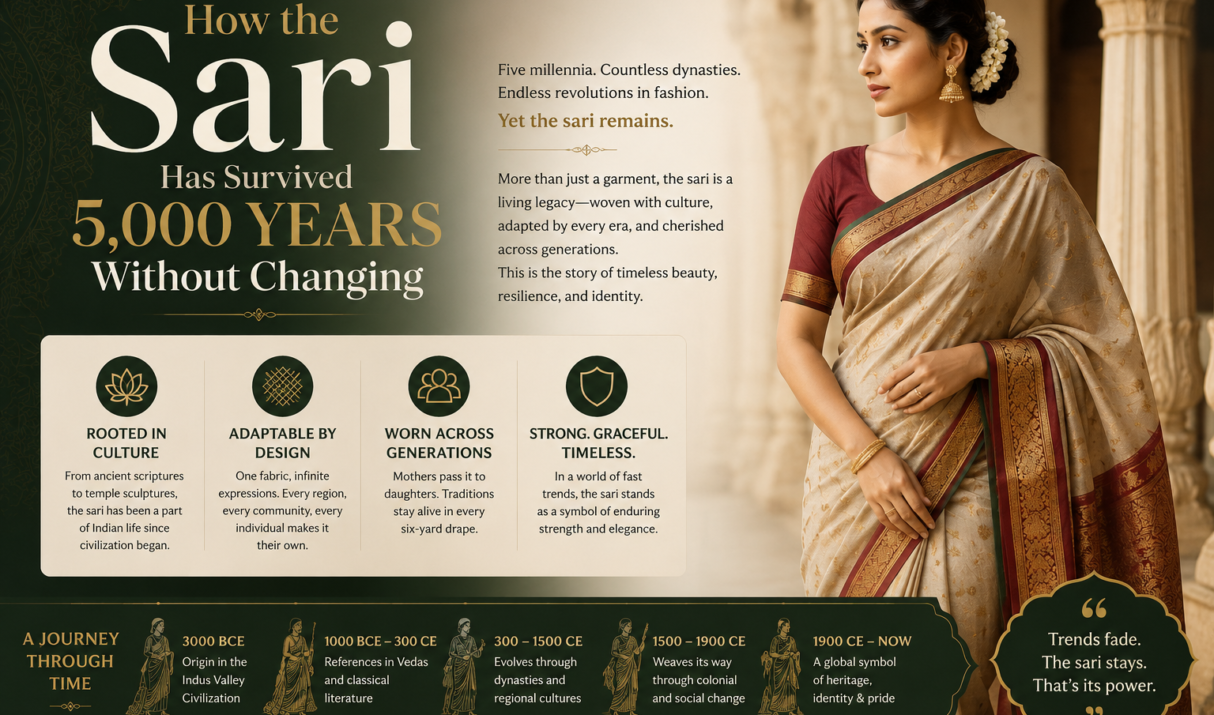

In a global fashion industry driven by fast-changing trends, seasonal collections, and short-lived crazes, the Indian sari stands as an extraordinary symbol of timeless design. For over 5,000 years, this single piece of unstitched fabric, typically measuring five to nine

In Ethiopia, the recognized birthplace of wild Arabica coffee, preparing and drinking coffee is never a rushed, automated process. Known locally as bunna, coffee serves as the bedrock of Ethiopian culture, hospitality, and daily communal life. Rather than grabbing a
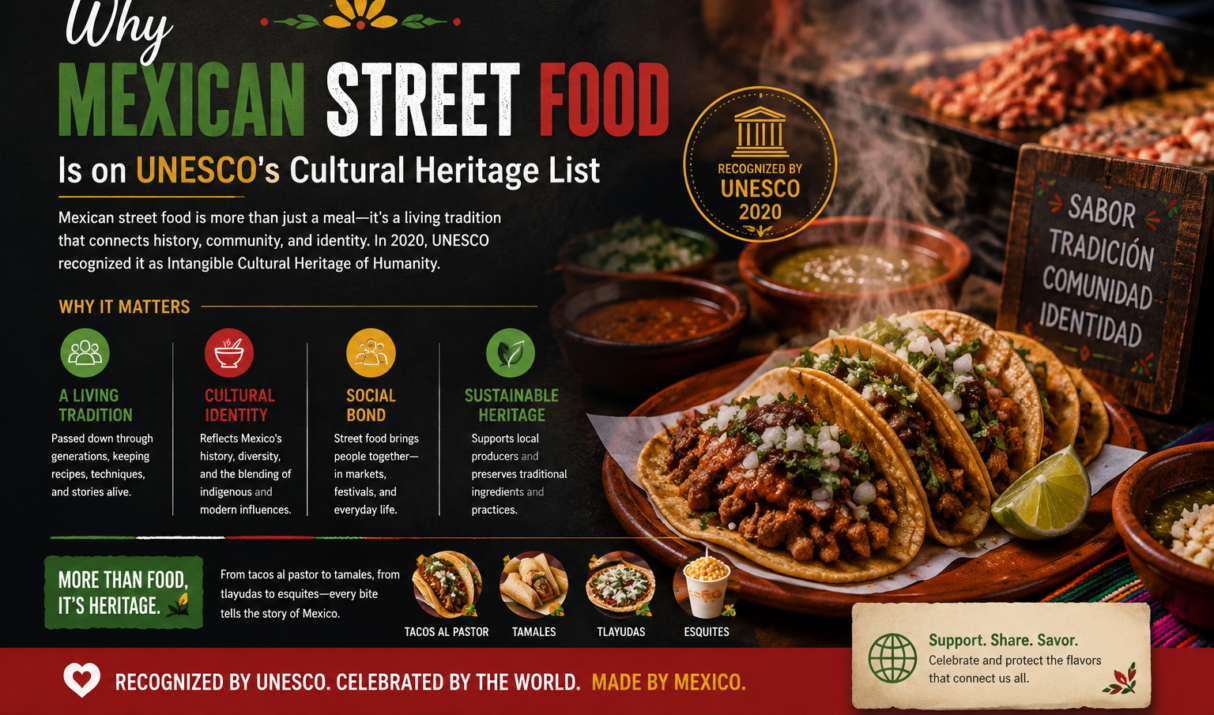
When UNESCO inscribed traditional Mexican cuisine onto its Representative List of the Intangible Cultural Heritage of Humanity in 2010, it marked a historic milestone: for the first time, an entire country’s culinary tradition was recognized as a vital piece of
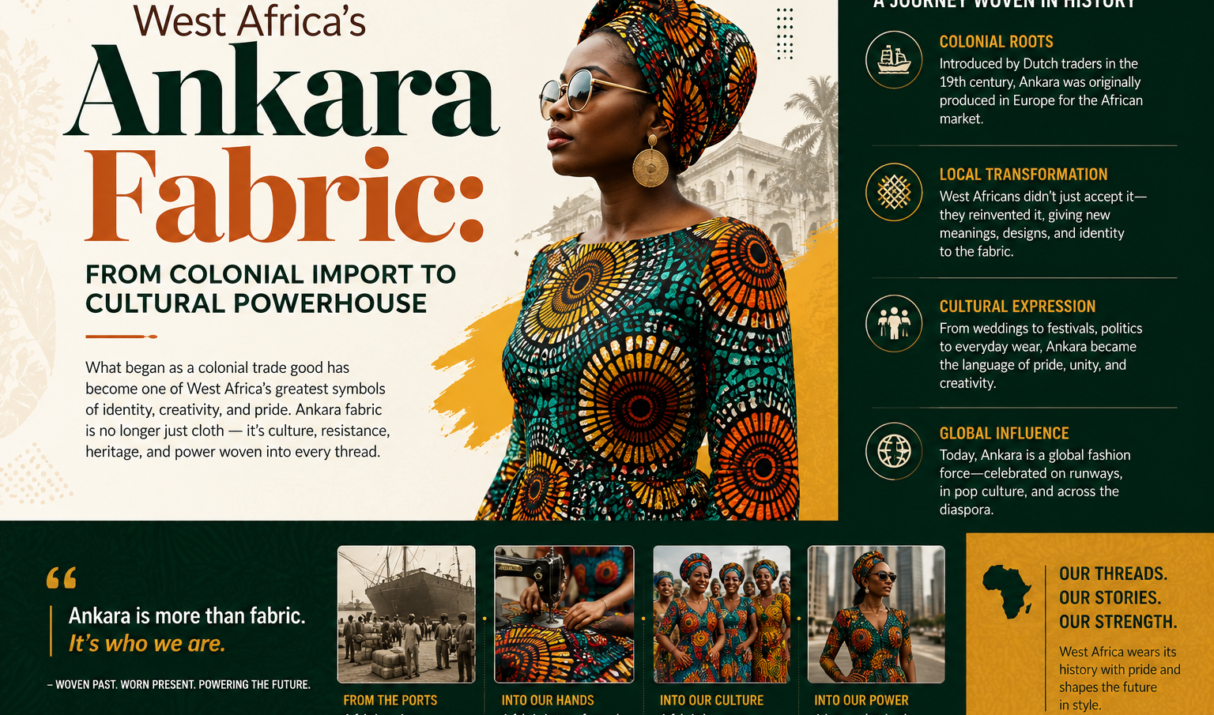
Ankara fabric, with its radiant colors and complex geometric patterns, stands as one of the most recognizable symbols of West African identity. Yet, the history behind this iconic textile reveals a fascinating tale of global trade, cultural adoption, and creative

To the Western eye, the Japanese kimono is often viewed as a stunning piece of traditional fashion—an elegant, flowing garment defined by vibrant silks and intricate embroidery. However, throughout Japanese history, the kimono functioned less as a casual wardrobe choice

When most people think of bread, they picture a baked loaf sliced for sandwiches, but across the Indian subcontinent, bread is a vibrant, multi-layered culinary tradition. India boasts well over 30 distinct varieties of traditional flatbreads, yeast-leavened bakes, and deep-fried