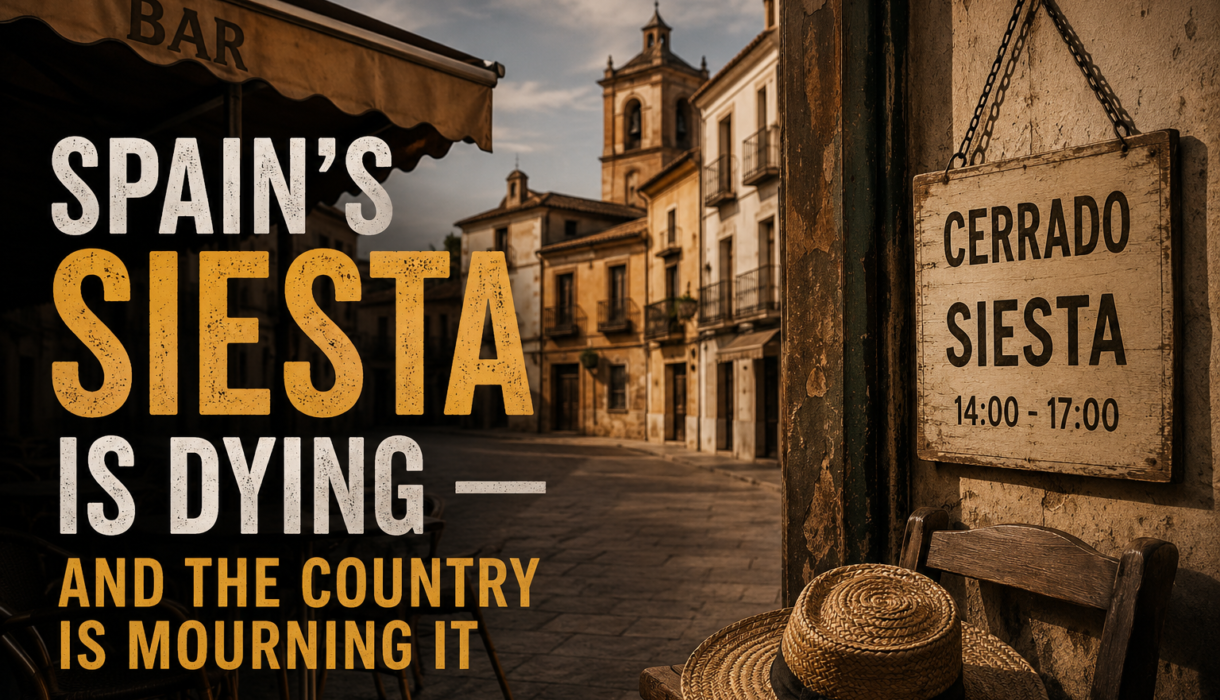

For centuries, the mid-afternoon siesta was far more than a simple post-lunch nap; it was the rhythmic heartbeat of Spanish culture. Designed to help agricultural workers escape the scorching Mediterranean heat, this long afternoon pause allowed families to gather for a hearty meal, rest, and reconnect before returning to work in the cooler evening hours. However, as modern corporate demands, global e-commerce, and urban schedules reshape daily routines, this cherished tradition is rapidly disappearing. Today, less than 18% of Spaniards regularly indulge in a mid-day rest, leaving a nation longing for the slow-paced lifestyle that once defined its cultural soul.
The Historical Roots of the Afternoon Pause
The origins of the siesta trace back to ancient Roman traditions, taking its name from the Latin hora sexta—the “sixth hour” after dawn, corresponding to midday. Historically, Spain’s agrarian economy relied heavily on this break to preserve energy during the peak temperature hours. As the country urbanized throughout the 20th century, the extended lunch hour persisted, evolving into a social anchor where extended families shared home-cooked meals and rested. It established a distinct lifestyle framework built around deliberate deceleration, prioritizing personal well-being and familial connection over relentless productivity.
The Forces Driving the Siesta’s Decline
The demise of the traditional afternoon rest is primarily driven by globalization, continuous corporate work schedules, and changing urban commute patterns. Major multinational companies in cities like Madrid and Barcelona have largely phased out the long two-to-three-hour midday break in favor of standard 9-to-5 shifts or intensive continuous hours (jornada intensiva). Furthermore, long commutes make returning home for lunch impractical for many suburban workers. Coupled with the relentless pace of digital communication and global trade, modern working conditions leave little room for a mid-day pause, forcing Spaniards to adopt fast-paced international work models.
The Toll on Health and Quality of Life
Paradoxically, the collapse of the siesta has not led to better rest; instead, it has created a severe sleep deficit across the nation. Because social customs—such as late-night dining and late-night television broadcasting—remain deeply entrenched, workers who lose their afternoon break often end up sleeping fewer hours overall. Health experts note that abandoning the natural circadian rest period has contributed to higher stress levels and increased fatigue among working adults. The shift has effectively dismantled the built-in wellness mechanism that historically protected citizens from burnout.
Mourning a Lost Symbol of Balance
As the siesta fades into memory, Spain finds itself in a state of collective cultural grief, mourning not just a nap, but a philosophy of life. Labor unions, health advocates, and cultural organizations are actively pushing for national schedule reforms to help citizens reclaim a healthier work-life balance. While a full return to the traditional three-hour family lunch may be unlikely in a globalized economy, the campaign to preserve Spain’s unique temporal identity remains strong. The decline of the siesta serves as a poignant reminder that in the rush toward modern efficiency, humanity risks sacrificing the very rituals that make life rich and meaningful.