
Mongolia’s Nomads Are Fighting to Keep the Last Horse Culture Alive
A Sacred Heritage on the Eurasian Steppe
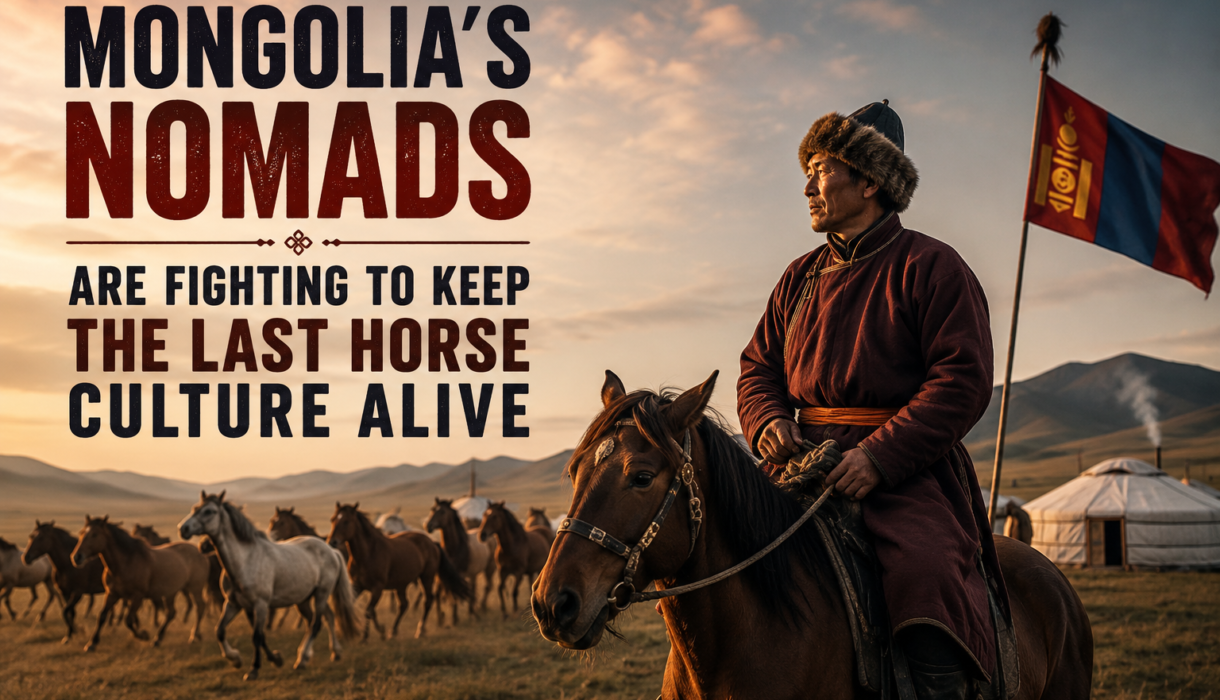
For over three thousand years, the sweeping grasslands of Mongolia have been defined by an extraordinary bond between humans and horses. Famously serving as the backbone of Genghis Khan’s historic empire, Mongolian nomadic life continues to revolve around these semi-wild, remarkably resilient animals that provide transport, nourishment through fermented mare’s milk (airag), and cultural identity. In Mongolia, an enduring proverb states that a Mongol without a horse is like a bird without wings. Today, this ancient equestrian way of life stands as one of the last true nomadic horse cultures on Earth, representing a profound tradition of living in direct balance with nature.
The Pressures of Modernization and Climate Change
Despite its centuries of survival, Mongolia’s traditional herding lifestyle faces unprecedented pressures from rapid modernization and changing climate patterns. Land degradation, compounded by increasingly harsh winter storms known locally as dzuds, has severely impacted pasturelands across the country. At the same time, rapid urbanization draws younger generations away from the isolated countryside toward cities like Ulaanbaatar in search of formal education and modern employment. Furthermore, many pastoral families have gradually replaced traditional working horses with motorbikes for daily herding, making the active transmission of horsemanship skills harder to maintain.
The Spiritual Significance of the Steppe Horse
What distinguishes Mongolian horse culture from modern equestrian practice is its deep spiritual and ecological grounding. Unlike European breeds, Mongolian horses range freely across the steppe in semi-wild herds, finding food beneath heavy snow without stables or artificial feed. Nomads view these animals not as mere property, but as respected partners whose energy is tied to the land. From the construction of the morin khuur—a traditional horse-head fiddle carved with reverence—to sacred blessings and folklore, the horse remains central to every facet of Mongolian artistic and social expression.
Grassroots Resistance and Cultural Preservation
In response to these modern challenges, nomadic communities are taking active steps to protect their living heritage. Local herding collectives are implementing organized pasture management strategies to combat overgrazing and safeguard vital migration routes. Additionally, community gatherings and cultural festivals like Naadam celebrate traditional horse-taming, leather craftsmanship, and long-distance child endurance races. By training young children to ride and care for horses at an early age, elders ensure that both the practical mastery and cultural respect for the herd remain vibrant and relevant.
Sustainable Tourism and a Path Forward
Beyond local initiatives, responsible eco-tourism is providing a vital economic path forward for families dedicated to the steppe lifestyle. Authentic homestay programs allow global travelers to experience daily nomadic routines firsthand, generating direct income that allows herders to sustain their herds without compromising their customs. This economic support highlights the global value of preserving intact nomadic traditions. Through a combination of cultural pride, adaptive stewardship, and sustainable community support, Mongolia’s nomads are ensuring that their world-renowned horse culture continues to thrive on the open plains.