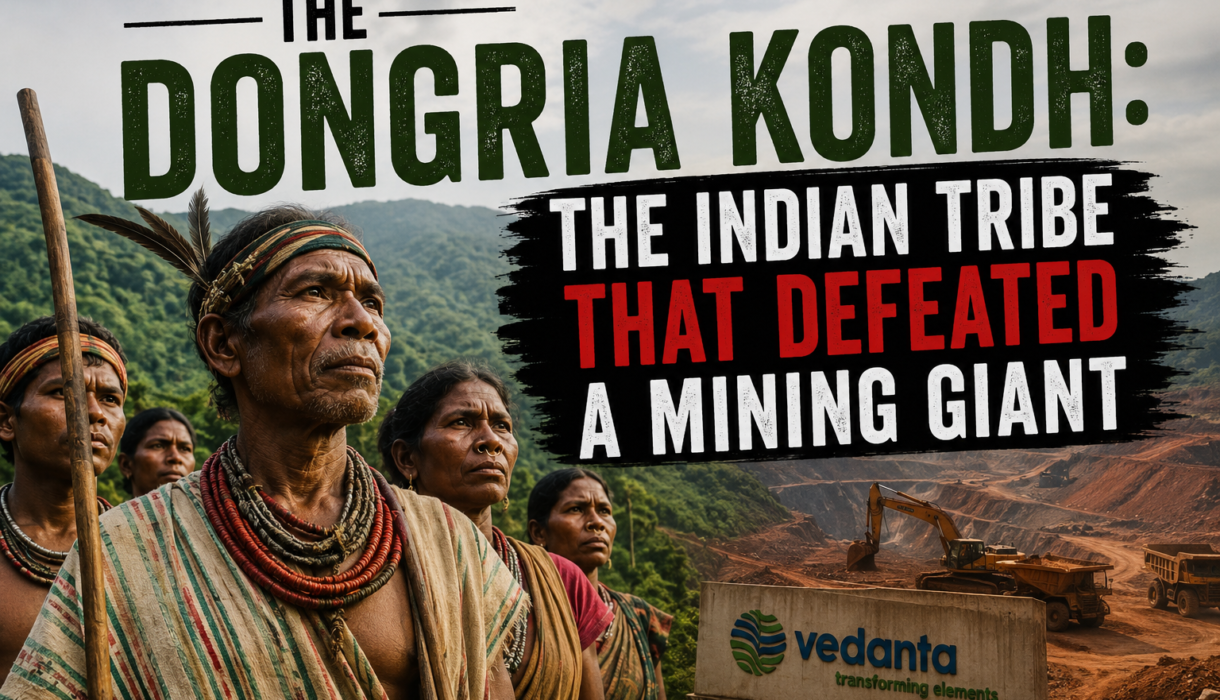

The Dongria Kondh, an indigenous community of roughly 8,000 people living in the lush Niyamgiri Hills of Odisha, India, achieved what many considered impossible: a historic victory against a massive international mining corporation. For centuries, the Dongria Kondh have lived in deep harmony with their ancestral forests, viewing them not merely as a resource, but as a sacred living entity and the home of their supreme deity, Niyam Raja. When a multinational metal and mining giant targeted their mountain for lucrative bauxite extraction, the tribe sparked an extraordinary global movement to protect their land, culture, and survival.
The Threat to a Sacred Ecosystem
The conflict began when a subsidiary of London-based Vedanta Resources sought to mine an estimated $2 billion worth of bauxite hidden beneath the Niyamgiri mountain range. While the proposed open-cast mine promised industrial growth for corporate stakeholders, it spelled total disaster for the Dongria Kondh. The hills function as a vital water catchment area, feeding dozens of perennial streams that sustain the agriculture and daily lives of the tribe. Mining operations would have destroyed the forest canopy, polluted water systems, and displaced an entire culture built on ecological balance and sacred stewardship.
A Grassroots Resistance Movement
Refusing to back down, the Dongria Kondh organized a relentless resistance campaign that united local villagers, environmental activists, and international human rights organizations. They staged peaceful protests, formed human chains around their sacred hills, and fiercely defended their identity through democratic means. Their tenacity caught the attention of legal experts and the apex courts of India, transforming a localized dispute into a monumental test case for indigenous land rights, environmental justice, and corporate accountability.
A Landmark Legal Victory
In a landmark decision, the Supreme Court of India ruled that the rights of the indigenous people must be respected and mandated an unprecedented environmental referendum through local village councils (Gram Sabhas). In 2013, all twelve targeted villages unanimously voted down the mining proposal, decisively rejecting the corporate project to safeguard their sacred mountain. This extraordinary democratic vote forced the government to block the mining licenses permanently.
A Legacy of Indigenous Resilience
The triumph of the Dongria Kondh stands today as an inspiring blueprint for indigenous communities worldwide fighting against unchecked corporate exploitation. By standing firm against a multi-billion-dollar enterprise, this small yet fiercely resilient tribe proved that ancient traditions, environmental preservation, and human rights can successfully triumph over industrial greed. Their legacy remains a powerful reminder that cultural heritage, clean water, and sacred lands are far too valuable to ever be priced or sold.