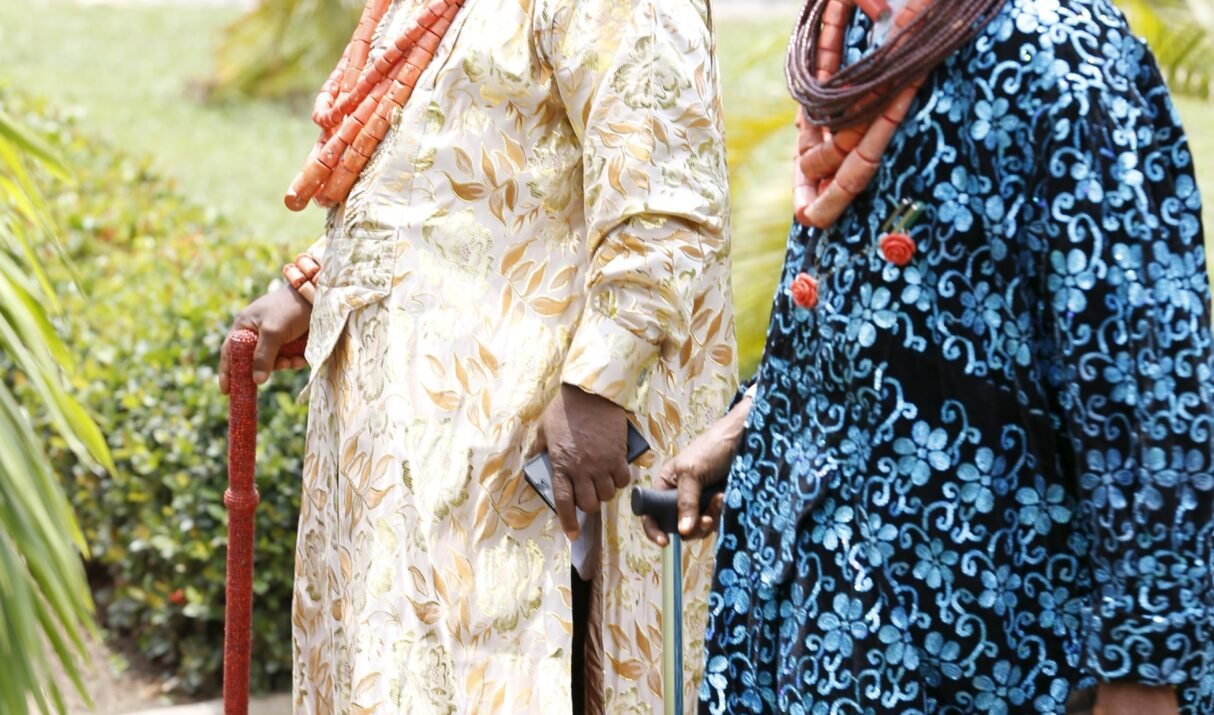

The Ibibio and Efik peoples of Nigeria’s South-South region share a profound historical bond, often grouped together due to their geographic proximity and beautifully intertwined languages. To an outsider, their shared love for rich seafood delicacies, identical naming conventions, and
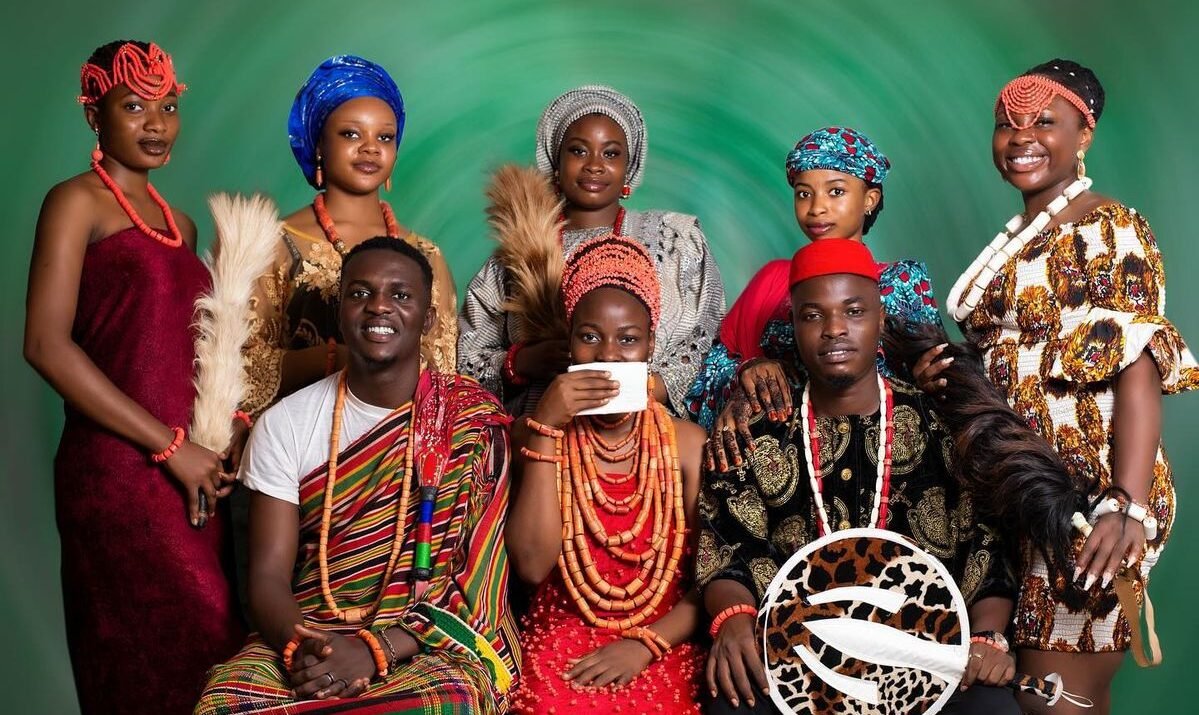
Nigeria is globally celebrated as a magnificent tapestry of over 250 ethnic nationalities, each boasting unique customs, languages, and historical legacies. When exploring the foundational roots of this diverse nation, historians, linguists, and archaeologists frequently point to one group as
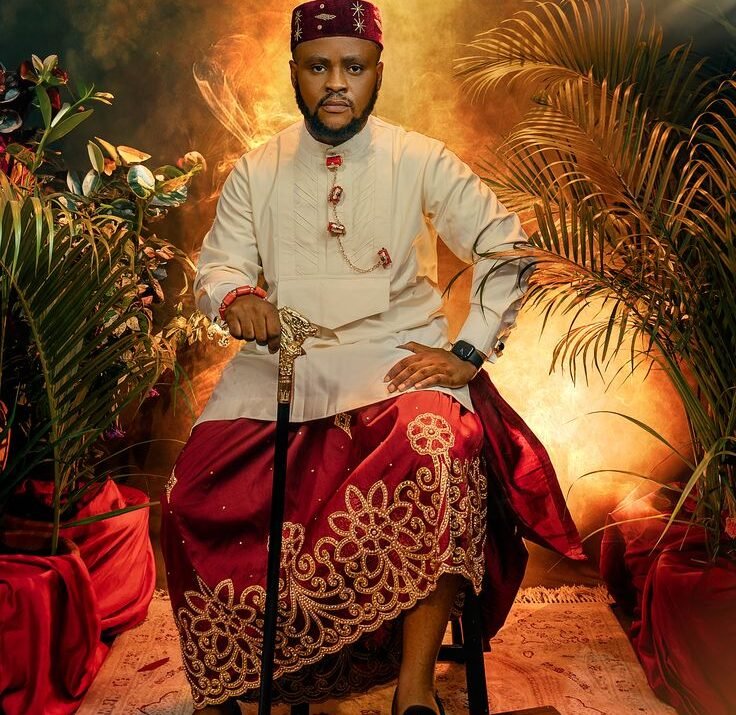
The Ibibio people stand out as one of the most resilient and culturally distinct ethnic groups in West Africa. Predominantly inhabiting the lush, palm-covered terrains of Akwa Ibom and Cross River states in Southern Nigeria, they represent the fourth largest
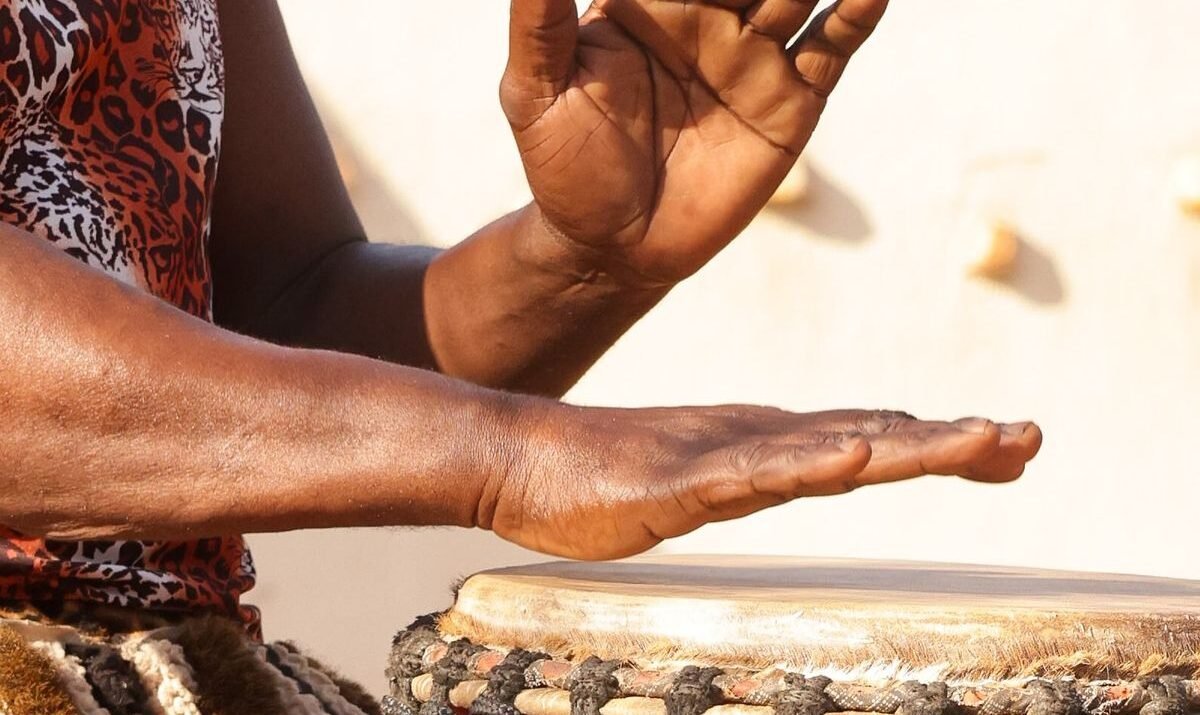
The global fashion landscape is undergoing a profound and permanent transformation, driven by the creative power of the African continent. For decades, the international fashion industry viewed African styles through a limited, Eurocentric lens, often treating indigenous textiles as mere
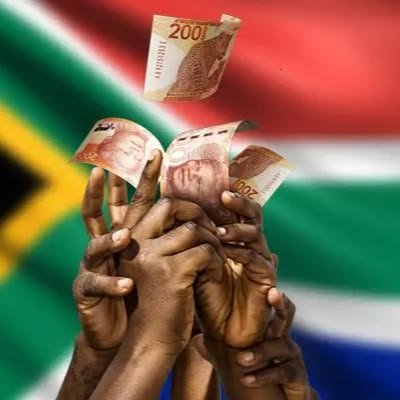
South Africa’s economic landscape is a fascinating study in contrast, holding the title of Africa’s most industrialized and technologically advanced market while grappling with deep-seated structural issues. The nation boasts a sophisticated financial sector, abundant natural resources, and world-class infrastructure.
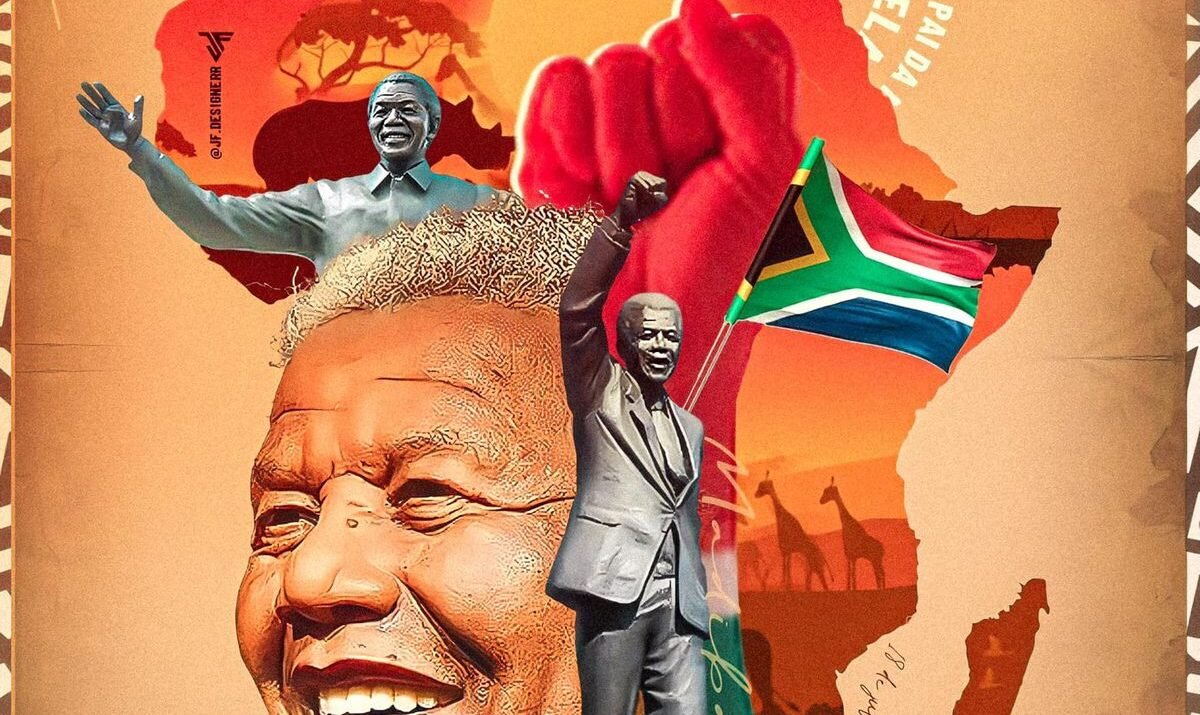
South Africa’s transition from the oppressive system of apartheid to a vibrant democracy in 1994 stands as one of the most remarkable political milestones of the 20th century. Spearheaded by iconic leaders like Nelson Mandela, the birth of the “Rainbow