Skip to content

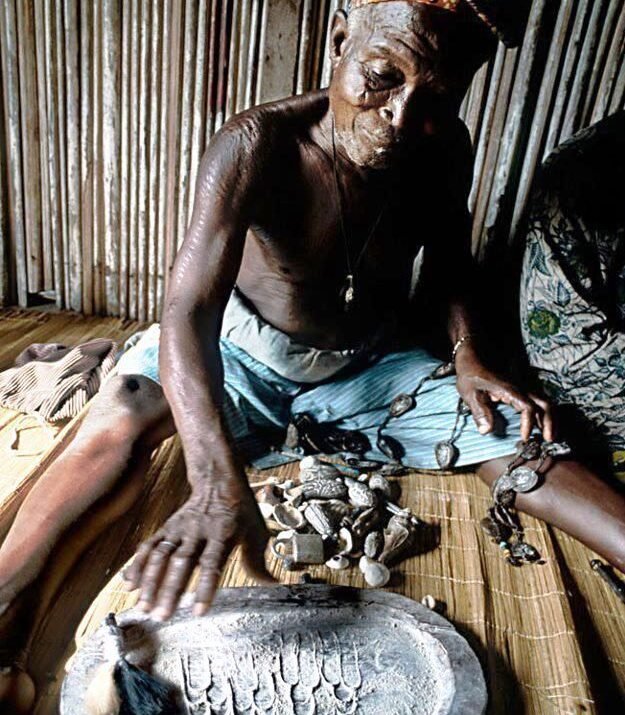
In the traditional religious world of the Ibibio people of southern Nigeria, spirituality is a deeply organized and reverent experience. Long before the introduction of Western religion, the Ibibio practiced a structured form of monotheism centered on a single Supreme Being. This ultimate deity is known as Abasi Enyong, which translates literally to the “God

Godson Sam
June 12, 2026

The Ibibio people of southern Nigeria possess a deeply structured and sophisticated indigenous belief system that has guided their worldview for centuries. Long before the arrival of Western missionaries, Ibibio society operated on a complex spiritual framework where the physical and metaphysical worlds continuously intersected. This traditional religion, closely tied to the cycle of human

Godson Sam
June 12, 2026

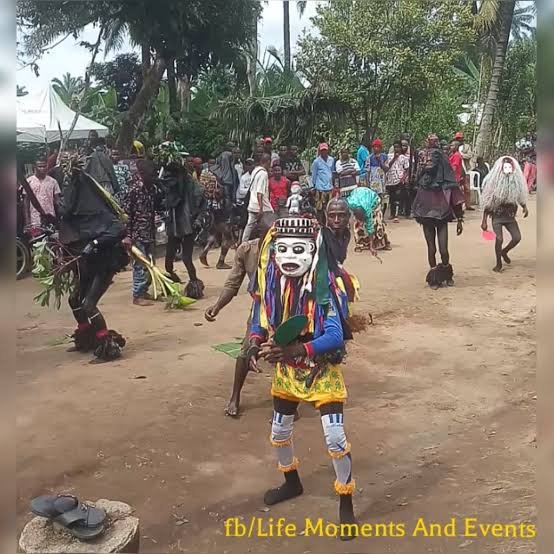
The southeastern coastal region of Nigeria is home to a magnificent tapestry of closely knit cultures bound by a shared ancestry and overlapping linguistic heritage. Often broadly referred to as the Ibibiod family, this ancestral cluster is anchored by the Ibibio—recognized as one of the most ancient ethnic nationalities in Nigeria. Over centuries of migration,

Godson Sam
June 11, 2026

The Ibibio people of southern Nigeria, primarily inhabiting modern-day Akwa Ibom and Cross River states, hold the distinction of being one of the most ancient ethnic groups in the country. Renowned for their rich artistic expressions, powerful traditional societies, and deep agricultural heritage, their cultural footprint is undeniable. However, for many observers and history enthusiasts,

Godson Sam
June 11, 2026

Nigeria is celebrated as Africa’s most populous nation and a vibrant mosaic of cultural diversity, home to hundreds of distinct ethnic groups. While the global spotlight frequently lands on the country’s three largest major ethnicities, the Ibibio people stand out as a highly influential, historically rich, and sizable population in the coastal southeastern region. Primarily

Godson Sam
June 11, 2026

The Ibibio and Efik peoples of Nigeria’s South-South region share a profound historical bond, often grouped together due to their geographic proximity and beautifully intertwined languages. To an outsider, their shared love for rich seafood delicacies, identical naming conventions, and shared social institutions might make them seem completely identical. However, beneath this harmonious surface lie

Godson Sam
June 10, 2026

Nigeria is globally celebrated as a magnificent tapestry of over 250 ethnic nationalities, each boasting unique customs, languages, and historical legacies. When exploring the foundational roots of this diverse nation, historians, linguists, and archaeologists frequently point to one group as the earliest established continuous inhabitants: the Ijaw (Ijo) people. Primarily settling the rich, labyrinthine waterways

Godson Sam
June 10, 2026

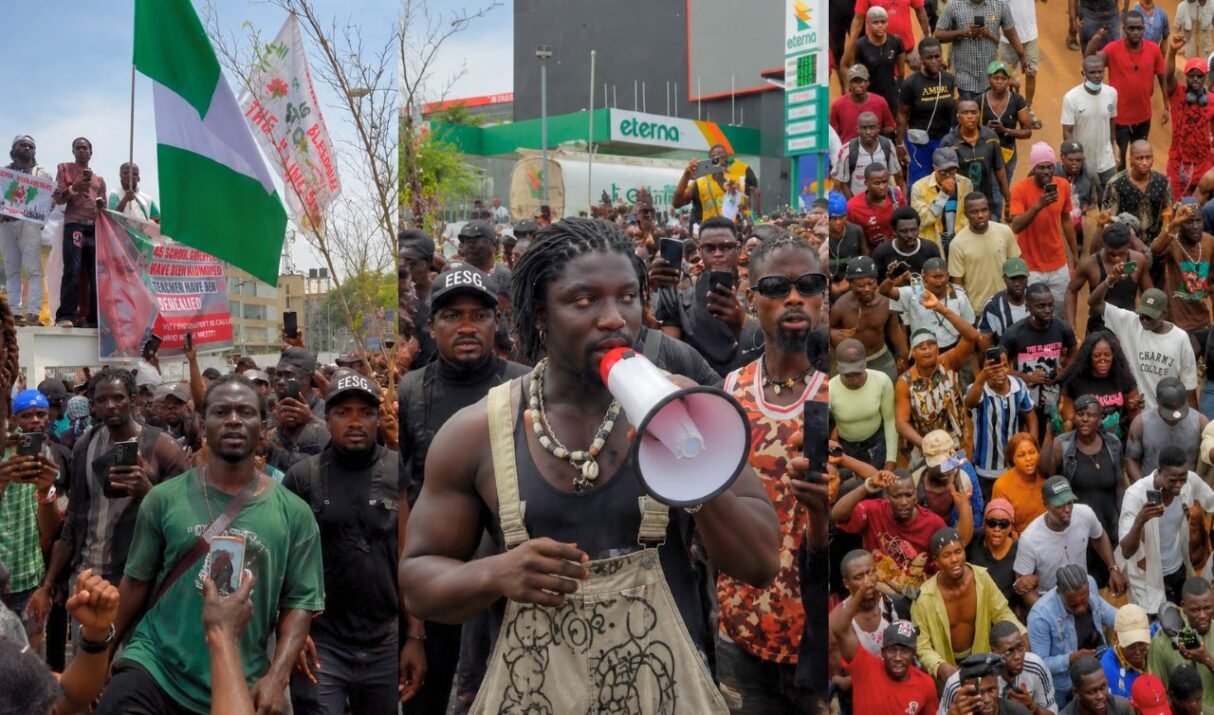
In an increasingly connected world, a quiet crisis seems to be unfolding in our daily interactions: the steady erosion of basic respect. Historically, respect was the foundational glue holding communities together, dictating how we honored elders, valued neighbors, and treated strangers. Today, however, changing social dynamics, shifts in family structures, and rapid technological advancements have

Godson Sam
June 3, 2026

Long before the invention of mobile networks and instant messaging, southeastern Nigeria thrived on highly sophisticated, organic communication systems. Igbo communities relied on a flawless blend of sound, symbolism, and trusted social networks to transmit news across vast distances. Far from being isolated, villages maintained a deep, real-time interconnectedness that ensured everyone—from farmers in distant

Godson Sam
June 3, 2026