
Nigerian Protests: Voices Against Kidnapping and Banditry led by Verydarkman (VDM)
Posted in :

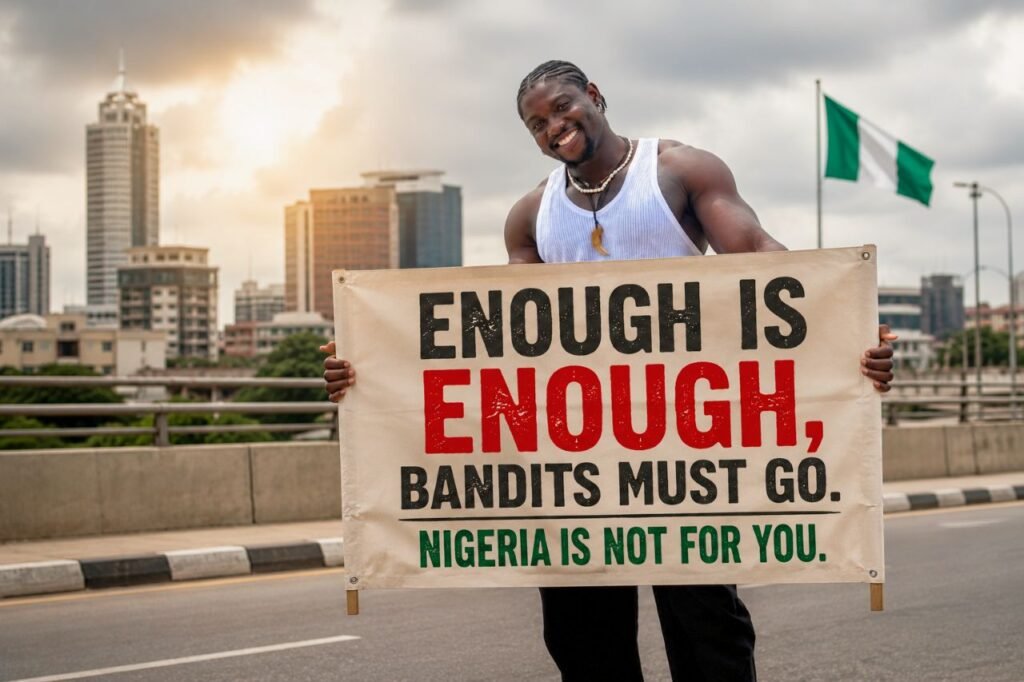
Introduction to the Nigerian Protests
The recent protests in Nigeria mark a significant national movement, driven primarily by escalating concerns regarding kidnapping and banditry, which have increasingly impacted citizens’ safety and well-being. These issues have not only resulted in tragic losses but have also bred a profound sense of discontent among the populace, who yearn for effective government intervention. The persistent wave of violence and insecurity has galvanized ordinary Nigerians and activists alike, uniting them in a collective quest for justice and accountability.
At the forefront of these protests is Verydarkman (VDM), a prominent figure whose activism has resonated widely across various demographics. VDM has been instrumental in mobilizing supporters through social media platforms, advocating for the rights of victims, and demanding actionable solutions from government authorities. His presence symbolizes the burgeoning movement against systemic failures in addressing security issues, thus amplifying the call for urgent reforms in law enforcement and governance.
The protests are set against a broader societal and political backdrop characterized by widespread disappointment in government institutions. Many citizens feel that the authorities have consistently failed to protect them from the rampant insecurity posed by criminal activities such as banditry and targeted kidnappings. This perceived inadequacy has provoked spontaneous demonstrations in multiple regions, emphasizing the public’s impatience for change.
The socio-political implications of these protests are profound, as they highlight prevailing sentiments of frustration and helplessness among Nigerians. As citizens mobilize to demand heightened security and accountability, there is a growing hope that these demonstrations might pave the way for critical discussions about governance, public safety, and human rights in Nigeria. In essence, the protests not only underscore a desire for immediate action against kidnapping and banditry but also signal a wider reckoning with the structural challenges facing the nation.
The Role of Verydarkman (VDM) in Mobilizing Protests
Verydarkman (VDM) has emerged as a pivotal figure in the recent protests against kidnapping and banditry in Nigeria. His adeptness at leveraging social media platforms to disseminate information and rally support has transformed the way young Nigerians engage with social issues. By utilizing platforms like Twitter and Instagram, VDM has successfully created an online community that is focused on advocating for change and resisting acts of violence that have plagued many communities.
VDM’s influence extends beyond social media; he has significantly contributed to organizing grassroots movements that resonate with the experiences of those affected by crime. By facilitating discussions and encouraging participation, he has galvanized a collective voice among youths, who now feel empowered to speak out against injustices. This mobilization is particularly vital in a country where traditional means of dissent may often be met with silence or oppression.
Through public demonstrations and community outreach programs, VDM has inspired many to take their stand against banditry. His charisma and commitment to addressing the root causes of violence have resonated strongly, leading to a surge in participation from individuals who previously felt disillusioned. By emphasizing a message centered around unity and resilience, he has fostered a collaborative spirit that is crucial for sustaining the momentum of these protests.
Moreover, VDM’s leadership style — inclusive and dynamic — has encouraged many young Nigerians to become advocates for peace. He emphasizes the importance of non-violent methods and civil engagement, promoting the idea that societal change can be achieved through collective action and dialogue rather than confrontation. Young activists are now more aware of the power they wield, using their online presence to extend the protest’s reach and impact.
The Impact of Banditry and Kidnappings in Nigeria
In recent years, Nigeria has witnessed a dramatic surge in banditry and kidnappings, creating a climate of fear and unrest among its citizens. Statistics indicate that thousands of individuals are affected by these heinous acts each year. According to various reports, over 1,000 kidnappings for ransom occurred in 2022 alone, severely impacting families and communities. Such alarming figures illustrate the growing prevalence of these criminal enterprises, which are often attributed to organized groups operating in remote areas.
Beyond the sheer numbers, the emotional and psychological toll on victims and their families is profound. Survivors of kidnapping often grapple with post-traumatic stress, anxiety, and depression, which can hinder their ability to reintegrate into society. Their families also suffer, facing financial hardship due to ransoms and the emotional distress associated with the disappearance of loved ones. Communities experience a deep-seated distrust and fear, hampering social cohesion and economic activities.
The ongoing challenge of banditry and kidnappings significantly threatens Nigeria’s national security. As these criminal groups become increasingly bold, they disrupt not only local governance but also affect broader regional stability. The government’s response to these crises has been met with criticism for its perceived inadequacy and lack of decisive action. Many citizens argue that more proactive and stringent measures are essential to combat these threats effectively. Enhanced security operations, community engagement, and addressing the root causes of crime, such as poverty and unemployment, are crucial components that must be integrated into any comprehensive strategy.
Calls for Change: Public Response and Government Action
The recent protests in Nigeria, particularly those led by activists like Verydarkman (VDM), have catalyzed significant discussions surrounding the alarming issues of kidnapping and banditry. These protests have not only amplified the voices of victims but also served as a rallying point for various stakeholders demanding comprehensive reforms. As Nigeria grapples with the escalating threat posed by these criminal activities, public sentiment has increasingly shifted toward scrutinizing governmental responses and accountability.
Activists have been at the forefront of these demonstrations, highlighting the urgent need for effective policies and strategies to combat the rising tide of insecurity. Their passionate testimonies underscore the personal and communal impacts of these crimes, painting a stark picture of fear and helplessness in affected regions. Many victims have bravely shared their stories, calling attention to the emotional and psychological scars left by such traumatic experiences.
In response to these growing demands for change, government officials have begun to acknowledge the critical need for action. Recent dialogues between state representatives and community leaders aim to address the systemic failures that allow kidnapping and banditry to thrive. Efforts have included the formation of specialized task forces and increased collaboration with international partners to enhance security measures. Furthermore, policymakers are exploring initiatives aimed at socio-economic development as a long-term strategy to alleviate poverty, which remains a root cause of these crimes.
The influence of these protests extends beyond immediate reforms; they have also ignited a much-needed public discourse about accountability and justice in Nigeria. The collective voices calling for change are laying the groundwork for future efforts that not only seek to mitigate the impact of kidnapping and banditry but also aim to establish a more secure environment for all citizens. The path to meaningful reform is fraught with challenges, yet the solidarity and determination exhibited through these protests provide a glimmer of hope for transformative change in the nation’s approach to security and governance.