Why Malagasy People Never Point at a Grave With a Finger — and What They Use Instead
Posted in :

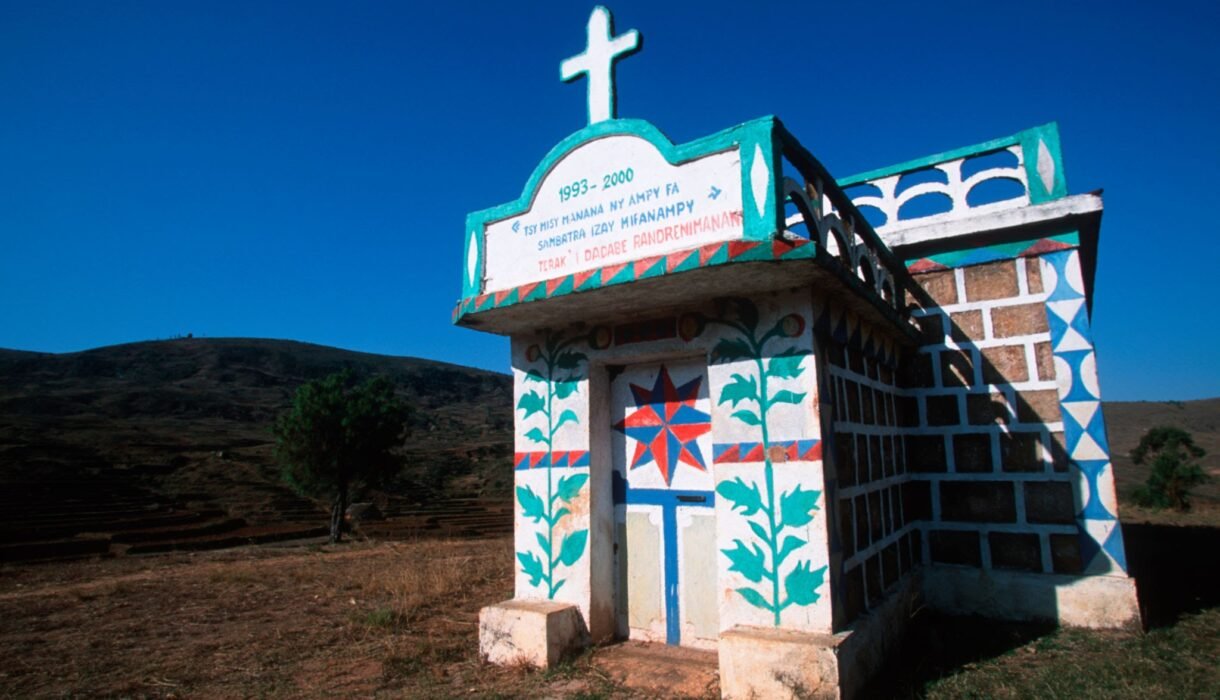
In the island nation of Madagascar, the boundary between the living and the dead is woven into the fabric of everyday life. The indigenous Malagasy people hold a profound reverence for their departed ancestors, known as the Razana. According to local belief, ancestors act as powerful guardians, intermediaries, and moral guides for their living descendants. Because graves are considered the sacred physical dwellings of these spirits, strict cultural rules dictate how people behave around them. Chief among these customs is an absolute prohibition: you must never point directly at a tomb with an extended index finger.
The Concept of Fady and Ancestral Sanctity
To understand this etiquette, one must understand the Malagasy concept of fady. Fady refers to a complex system of cultural taboos, prohibitions, and sacred rules handed down through generations. Breaking a fady is believed to upset the spiritual balance, bringing bad luck, illness, or divine disfavor upon the offender and their family. Because ancestral tombs are sacred monuments—often built with far more investment and stone than ordinary family homes—gestures toward them are held to extraordinarily high standards of respect.
Why Pointing an Index Finger Is Forbidden
In Malagasy tradition, extending an index finger directly toward a grave is seen as an aggressive, accusatory, and disrespectful action. A pointed finger symbolizes command, accusation, or challenge—attitudes that are entirely inappropriate when addressing holy ancestors. Local lore warns that pointing an open finger at a grave can offend the spirits residing within, causing spiritual discomfort or even physical harm to the person who made the gesture. Consequently, children are taught from an early age to avoid this instinct when traveling near cemeteries or roadside tombs.
The Sacred Alternative: Curled Knuckles and Open Palms
So how do Malagasy people indicate the location of a tomb or direct someone’s attention toward an ancestral site? Instead of an outstretched index finger, they use soft, respectful gestures that convey humility. The most common alternative is pointing with a bent or curled index finger, tucking the tip under the thumb so that only the knuckle extends forward. Alternatively, a traveler may indicate a direction using a loose, open hand with the palm facing upward, or by gently nodding their head toward the location.
The Symbolic Meaning Behind the Knuckle Gesture
Using a bent knuckle or open hand completely alters the emotional tone of the gesture. Tucking the finger inward represents self-restraint, deference, and humility before powers greater than oneself. An open palm demonstrates transparency and honor rather than accusation. By softening the gesture, the speaker acknowledges the presence of the ancestral shrine while preserving the quiet dignity required around burial grounds.
How Ancestral Respect Shapes Daily Life in Madagascar
This gesture is just one part of a much broader tradition of ancestral honor across Madagascar. From famous rituals like Famadihana—the rewrapping of ancestral bones—to everyday conversation, the deceased remain central to Malagasy identity. Whether walking past an ornate stone monument in the highlands or a carved wooden shrine in the coastal forests, locals and visitors alike are expected to observe quiet decorum, speak in respectful tones, and refrain from harsh gestures.
A Powerful Lesson in Universal Courtesy
For international visitors and cultural enthusiasts, learning about Madagascar’s pointing taboo offers a fascinating look into how non-verbal communication reflects cultural values. What might seem like an harmless habit in modern Western societies can carry heavy spiritual weight in another culture. Ultimately, the Malagasy practice of curving one’s finger before a grave serves as a beautiful reminder that respect is expressed not only in the words we speak, but in every subtle motion of our hands.