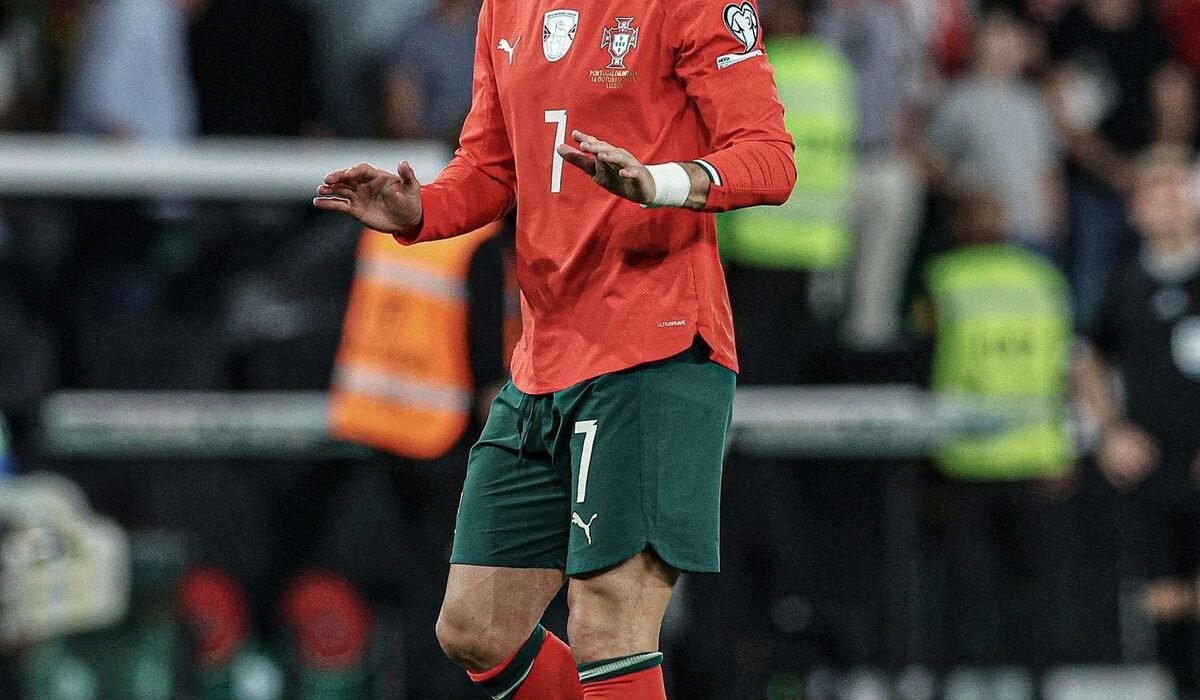

The 2026 FIFA World Cup has cast a harsh, unforgiving spotlight on the internal dynamics of the Portugal national football team. For over two decades, Cristiano Ronaldo has been the undisputed talisman, carrying the hopes of a nation and rewriting international football records. Yet, as the group stage in the United States has shown, the circus surrounding the 41-year-old forward has transformed from an inspiring spectacle into an overwhelming distraction. Rather than enabling a generational roster of elite talent to thrive, the national team has found itself completely anchored to the waning physical capabilities of its aging icon.
The Tactical Stagnation of a Golden Generation
Tactically, Ronaldo’s mandatory presence in the starting lineup has forced manager Roberto Martínez into an evolutionary bottleneck. Portugal possesses one of the most envied midfields and attacking supporting casts in the world, featuring superstars like Bruno Fernandes and Vitinha. However, instead of playing with fluid, modern intensity, the team’s tactical shape routinely compromises itself to service a forward who can no longer spearhead a high-press system. In frustrating group-stage draws against lower-ranked opposition like the Democratic Republic of Congo and Colombia, Portugal’s buildup play appeared slow and predictable, largely because every attacking sequence is expected to culminate with an isolated Ronaldo.
Fading Powers on the Grandest Stage
While the legendary forward’s athletic longevity is marvelously historic, the unforgiving metrics of elite tournament football reveal a stark reality. At this World Cup, Ronaldo has visibly struggled with the half-second delays in anticipation and the fractional loss of explosive speed that once terrified global defenders. He was caught offside repeatedly and struggled to affect possession during transitions, meaning the wingers are frequently forced to slow down their bursts to let their captain catch up. When the focal point of an attack can no longer reliably out-jump or out-sprint a modern center-back, relying on him as the exclusive target man ceases to be a strategy and becomes a liability.
The Cult of Personality vs. Team Success
Beyond the white lines of the pitch, the “Ronaldo Circus” introduces a psychological weight that few squads can successfully balance. Every press conference, tactical adjustment, and post-match interview is viewed almost entirely through the prism of Ronaldo’s personal milestones, creating an environment where team chemistry is secondary to individual legacy. This intense media obsession puts immense pressure on younger players, who often feel obligated to pass to Ronaldo even when better options exist on the field. It also creates an awkward managerial dilemma where benching the superstar risks a massive media backlash, effectively paralyzing the coaching staff from making ruthless sporting decisions.
Time for a Courageous Transition
For Portugal to fulfill its immense potential and truly challenge for global honors, the coaching staff must separate sentimentality from cold competitive utility. Moving Ronaldo into an impactful, off-the-bench leadership role would not diminish his monumental historical legacy; rather, it would revitalize a stalling squad. Prioritizing collective tactical flexibility over a single player’s personal goal-scoring milestones is the only way Portugal can unleash its golden generation. True leadership from a legend involves recognizing when to step aside, ensuring the team’s collective future is no longer sacrificed at the altar of past glories.