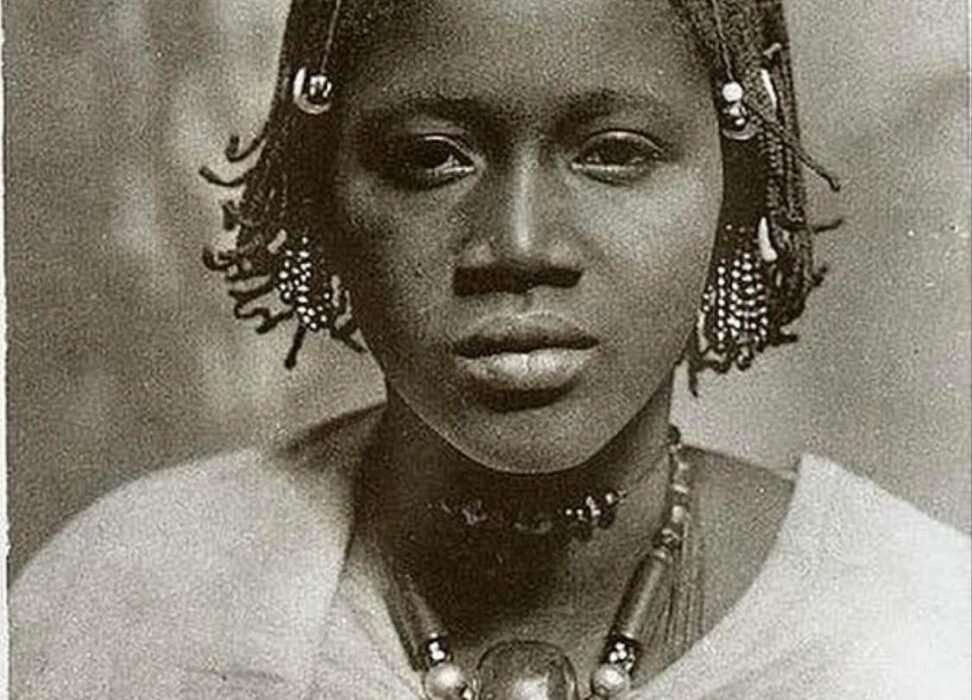

Language is often celebrated as a tool for universal connection, but across various global cultures, it is also utilized as a sophisticated instrument for privacy and exclusion. Among the Wolof people—a prominent West African ethnic group primarily inhabiting Senegal, The Gambia, and Mauritania—this duality is perfectly preserved through an intricate linguistic phenomenon known as Kall. Distinct from standard, everyday Wolof, Kall operates as a highly guarded, coded system of communication. For generations, this hidden tongue has allowed its speakers to convey deep, complex messages right in front of outsiders without dropping a single clue about their true meaning.
The Architectural Blueprint of Kall
To understand Kall, one must look at it not as an entirely separate dialect, but as an advanced structural reconfiguration of the native Wolof language. It relies heavily on complex phonological and morphological manipulation, such as the systematic splitting and reduplication of prosodic words. By swiftly reversing syllables, inserting specific glottal stops, or adding rhythmic filler vowels, speakers instantly scramble regular Wolof words into an unrecognizable code. To the untrained ear, a conversation in Kall sounds like an entirely different language or a rapid-fire tongue twister, yet to initiated speakers, the underlying message remains perfectly clear.
Historical Context and Strategic Value
The historical origins of this secret code are deeply rooted in the need for community protection, social discretion, and political strategy. Throughout the turbulent eras of regional conflicts and colonial rule, Kall served as a critical defense mechanism, allowing Wolof communities to pass sensitive intelligence, warning signs, and tactical plans directly under the noses of adversaries. Beyond wartime survival, the code was historically weaponized within traditional social structures—such as among griots (oral historians) and royal courts—to discuss sensitive political matters, economic negotiations, or familial disputes without causing public scandal.
Sound, Spirit, and the Sabar Connection
The brilliance of the Wolof secret language extends far beyond spoken words; it is deeply intertwined with the acoustic traditions of the region, particularly through the Sabar drum. Master drummers possess an uncanny ability to translate the distinct syllables, vowel weights, and rhythmic cadences of Kall directly into drum strokes. This linguistic percussion allows messages to be transmitted across vast distances between villages. Through this sonic connection, the secret language transcends standard vocalization, transforming into a vibrant, living art form where a single drum pattern can carry a hidden paragraph of political counsel or communal warnings.
Preserving a Legacy of Discretion
In contemporary West African society, the reliance on Kall for physical survival has evolved into a proud celebration of cultural identity, wit, and linguistic mastery. While modern urban dialects like “Dakar-Wolof” increasingly blend traditional vocabulary with French and Arabic loanwords, the survival of Kall relies on the preservation of indigenous oral poetry and ancestral traditions. Today, it remains an elite linguistic game played by elders, cultural custodians, and youth looking to connect with their roots. Ultimately, the secret language of the Wolof stands as a brilliant testament to African intellectual ingenuity, proving that clothing is not the only thing crafted with intentionality—language, too, can be beautifully tailored to protect a community’s inner world.